
The End of St. Petersburg
1927
No user ratings available yet
Representation score: 3.9 out of 10
Representation Score
Fair
1917
Director
Yevgeni Bauer
Runtime
36 minutes
Average Rating
No ratings yetNew Showbiz Analysis
A Revolutionary primarily serves as a historical and political drama rather than a study of diverse demographic identities. Its strength lies in its cultural critique of the Tsarist regime and the dismantling of imperial hierarchies. The narrative focuses heavily on male-driven political struggles and generational conflicts. While it explores the evolution of political identity, it lacks visible representation for LGBTQ+ individuals or specific disability narratives. Ultimately, the film provides a meaningful framework for analyzing power dynamics and institutional oppression, even as it remains limited in its depiction of broader social demographics.
Category Breakdown
The film does not include any explicit LGBTQ+ characters or representations of non-straight identities. The story focuses mainly on political lineage and family ties.
The story centers on male revolutionaries and the ideological conflict between a father and son. The role of women is not prominently featured in the central conflict.
Set during the Russian revolutionary period, the film addresses the era's complex ethnic and class divisions. It portrays a movement that challenges the dominant imperial structures.
The film strongly critiques Tsarist autocracy and traditional state power. It highlights systemic rebellion by focusing on a protagonist who survives state-imposed hardships.
There is no information about the portrayal of physical or neurodivergent disabilities in this work.
Present on Screen
Limited or Absent
Official Synopsis
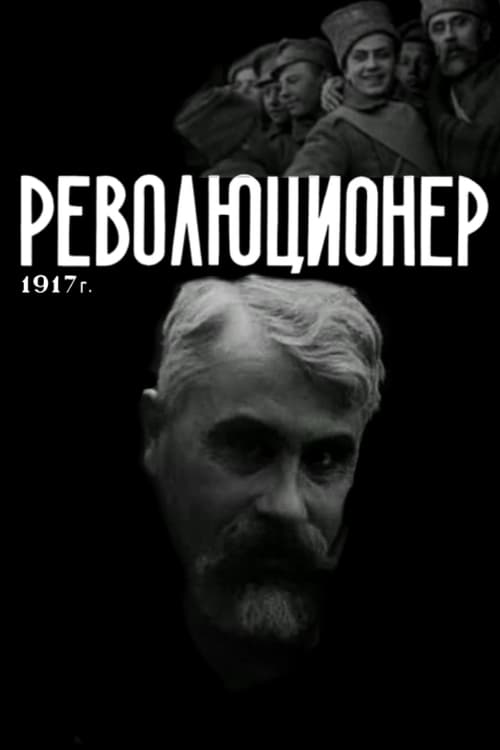
In 1907, the Russian authorities learn that a revolutionary known as 'Granddad' is living in hiding with his brother. The revolutionary is soon arrested and sent to Siberia. After ten years of struggling to survive in harsh conditions, he is finally released when the Tsarist government is overthrown in February 1917. He is welcomed home as a hero, but he soon finds that even his own son has different views than he does about the future of Russia.
1927
1925

1963
1928
1932

1994
1926
1973
No reviews yet. Be the first to share your thoughts on this movie!
Use the rating form above to leave a star rating and optional review.