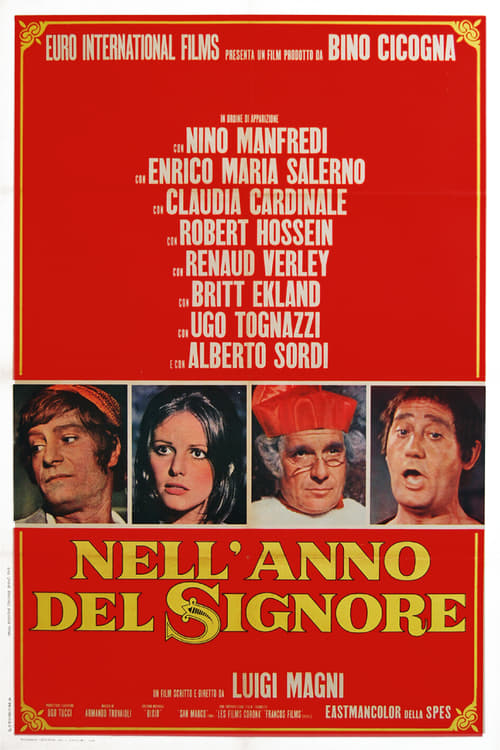
The Conspirators
1969
No user ratings available yet
Representation score: 2.6 out of 10
Representation Score
Minimal
1980
Director
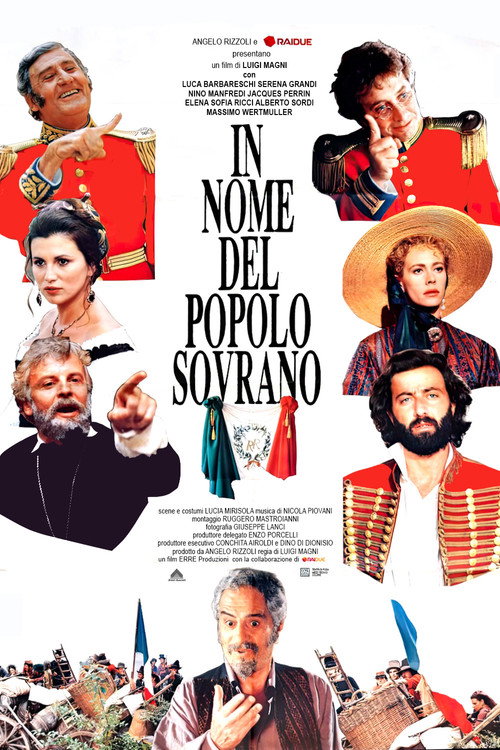
Luigi Magni
Runtime
120 minutes
Average Rating
No ratings yetNew Showbiz Analysis
Luigi Magni’s film is a sophisticated historical critique that prioritizes institutional deconstruction over broad demographic representation. It succeeds by challenging the idealized myths of the Risorgimento, presenting a skeptical view of state-building and centralized power. However, the film lacks diverse gender and racial representation. The narrative remains anchored in the patriarchal and ethnically homogeneous realities of 1870 Rome, offering little space for varied gender identities or racial diversity. Ultimately, the work is a study of systemic disillusionment. It trades demographic variety for a deep, nuanced exploration of the friction between local traditions and emerging national authority.
Category Breakdown
The film focuses on traditional romantic relationships set in a 19th-century military context. There are no representations of non-binary gender identities or stories that challenge the assumption that everyone is straight.
Female characters play key roles in family conflicts but primarily operate within traditional 1870s household roles. The narrative emphasizes the male-dominated military classes of the time.
The cast is ethnically uniform, reflecting the historical setting of the Italian unification period. The film centers on the internal regional identities of the Italian peninsula.
The film excels in critiquing traditional Western institutions and the myth of the heroic Italian state. It highlights the tension between the secular state and the Papal authority.
There are no prominent depictions of visible or invisible disabilities used as central plot devices or character arcs.
Present on Screen
Limited or Absent
Official Synopsis
In the year 1870 Rome, then governed by the Pope, was captured by the Italian General La Marmora's troops. After the armistice, the Italian soldier Alfonso killed a Pope's soldier, the son of Don Prospero. Then he sought refuge in the house of Don Prospero himself. There Costanza and Olimpia, respectively the wife and the daughter of Don Prospero, fall for him. Then Gustavo, who knew that Alfonso had killed Don Prospero's son arrived in the house... Some things are going to happen
1969
1974
1983
1972
1990
1966
1976
1994
No reviews yet. Be the first to share your thoughts on this movie!
Use the rating form above to leave a star rating and optional review.