Sud
1993
No user ratings available yet
Representation score: 5.2 out of 10
Representation Score
Good
2011
Director
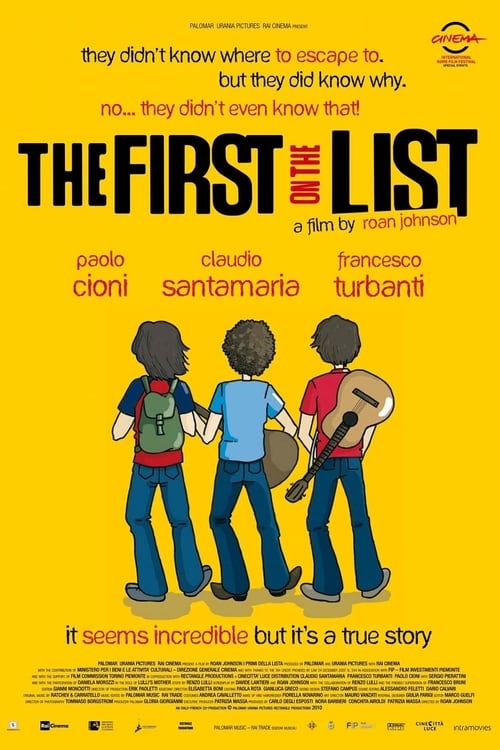
Roan Johnson
Runtime
85 minutes
Average Rating
No ratings yetNew Showbiz Analysis
The film serves as a period piece that uses historical volatility to explore themes of ability to act and systemic resistance. By framing the state as a source of tension, it disrupts conventional expectations of stability. While the narrative focuses heavily on a male-centric trio, the sociopolitical context of the Lotta Continua movement provides a framework for exploring shifting social dynamics. The film prioritizes the perspectives of political outsiders and insurgents. Ultimately, the work functions as a critique of established institutions, using the unrest of 1970s Italy to challenge traditional Western authority and nationalistic norms.
Category Breakdown
The film does not explicitly depict queer identities or non-straight relationships. However, the 1970s setting hints at a narrative exploring the loosening of traditional social norms.
The story revolves around a male trio navigating political volatility. The film explores a period marked by significant shifts in gendered power dynamics and the rise of feminism.
The story is set in Pisa, reflecting the Mediterranean demographics of 1970s Italy. It focuses on the struggles of underrepresented political actors.
The narrative challenges traditional patriotism by focusing on revolutionary sentiments and critiquing centralized political authority. It engages deeply with systemic critiques.
There is no depiction of physical or neurodivergent disabilities within the narrative.
Present on Screen
Limited or Absent
Official Synopsis
It’s June 1st, 1970, and Pisa is the epicenter of the movement Lotta Continua. There are rumors of an imminent coup d’état, and the most visible exponents fear being arrested before dawn. One of them is Pino Masi, a singer-songwriter who wrote the hit “La ballata del Pinelli.” He invites two high school students, Renzo Lulli and Fabio Gismondi, to flee Italy with him, and the three set off. A series of misunderstandings ensues, starting with an unnerving encounter with soldiers on their way to Rome for the national holiday the next day.
1993
1978

1999

1989
2020
1973
1991

1999
No reviews yet. Be the first to share your thoughts on this movie!
Use the rating form above to leave a star rating and optional review.