
Benvenuti in casa Gori
1990
No user ratings available yet
Representation score: 2.9 out of 10
Representation Score
Limited
1994
Director
Alberto Sordi
Runtime
105 minutes
Average Rating
No ratings yetNew Showbiz Analysis
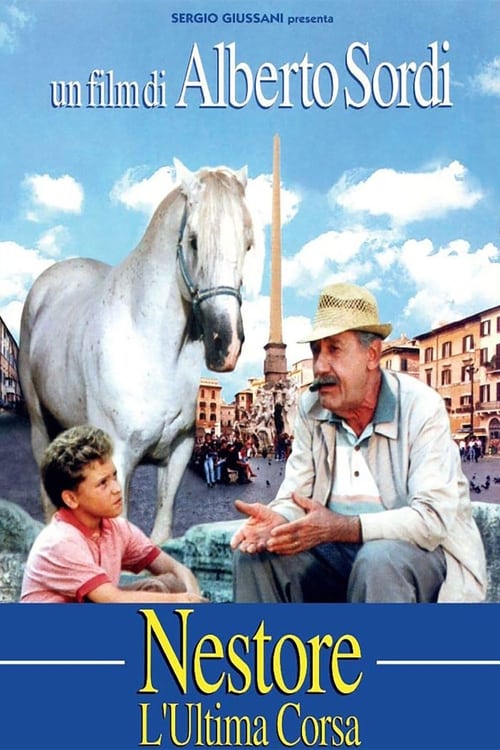
Alberto Sordi’s film is a traditional character study that prioritizes individualistic, nostalgic themes over diverse representation. The narrative architecture explores the psychological decline of a specific masculine archetype, which results in a production reflecting conventional social structures. The film lacks the intentionality required to disrupt traditional hierarchies or promote diverse identity politics. It remains rooted in the demographic and social realities of its specific Italian setting. Ultimately, the work functions as a study of aging and personal history rather than a platform for diverse social perspectives.
Category Breakdown
The film focuses on the male experience of aging and past athletic glory. It does not include any LGBTQ+ identities or same-sex relationships, maintaining a traditional heterosexual social landscape.
This character study centers on a male protagonist's struggle with declining masculinity. Female characters play supporting roles and do not drive the plot with their own choices.
Set in Rome's historic center, the film depicts a largely homogeneous population. It lacks diverse ethnic perspectives, reflecting the specific demographic realities of its period and location.
The narrative explores nostalgia and personal legacy rather than systemic critiques. It avoids promoting singular religious morality but does not prioritize secularism or anti-Western sentiments.
The film treats the physical decline of aging as a universal human condition. It lacks focused representation of specific neurodivergent or physical disabilities through an ability to act-driven lens.
Present on Screen
Limited or Absent
Official Synopsis
Gaetano works in the historic center of Rome. During the summer months he keeps his nephew Aurelio, a nine-year-old, as a helper.
1990
1997

1998

1972
1995

2000
1974

2009
No reviews yet. Be the first to share your thoughts on this movie!
Use the rating form above to leave a star rating and optional review.