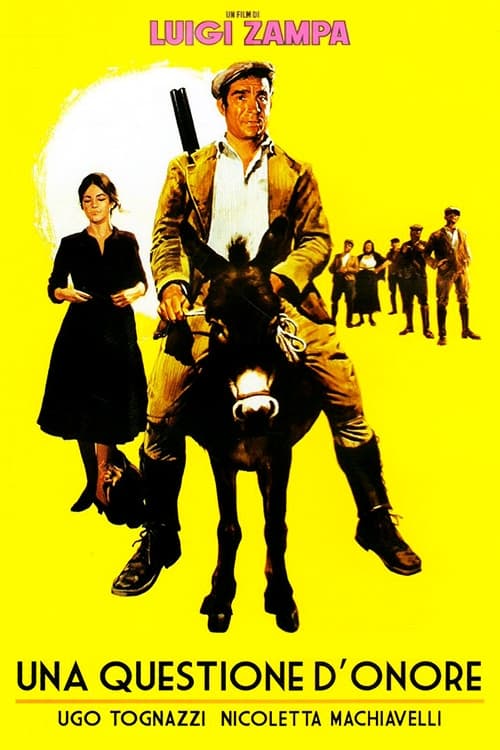
A Matter of Honor
1966
No user ratings available yet
Representation score: 0.6 out of 10
Representation Score
Fair
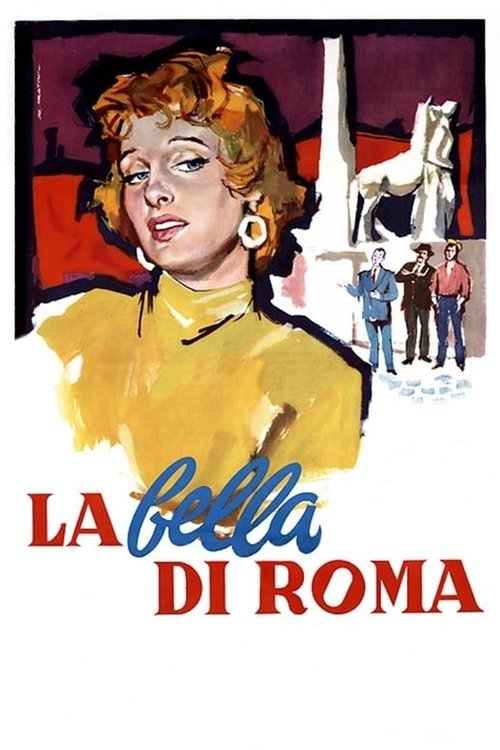
1955
Director
Luigi Comencini
Runtime
95 minutes
Average Rating
No ratings yetNew Showbiz Analysis
Luigi Comencini's film uses 'Pink Neorealism' to explore the interplay between personal desires and class dynamics. The film highlights the female perspective through Nannina, offering a more nuanced view of gender compared to many films of the time. However, the film reflects the demographic uniformity of its era, lacking representation of LGBTQ+ identities, racial diversity, or characters with disabilities. It primarily focuses on the social realities of Italian urban life in the mid-1950s. Overall, the film provides a complex examination of social realism and economic necessity, even if it adheres to traditional social hierarchies.
Category Breakdown
The film follows traditional romantic structures from the mid-20th century, focusing on heterosexual relationships. There are no characters with non-binary genders or same-sex relationships.
Nannina is a central character who navigates social dramas. She exerts influence through her interactions but her actions are linked to romantic and economic ties.
Set in post-war Rome, the film reflects the homogeneous demographics of 1950s Italian cinema. The cast is mainly Anglo-Italian with no significant racial diversity or characters of color.
The story examines the tension between personal goals and strict post-war societal structures. It avoids idealizing tradition by highlighting the moral complexities of economic needs and unconventional characters.
The film does not feature characters with visible or invisible disabilities. The plot centers on socioeconomic and romantic conflicts without addressing disability.
Present on Screen
Limited or Absent
Official Synopsis
Nannina is engaged to a sleazy, unruly boxer who ends up in jail after a fight with a traffic policeman.
1966
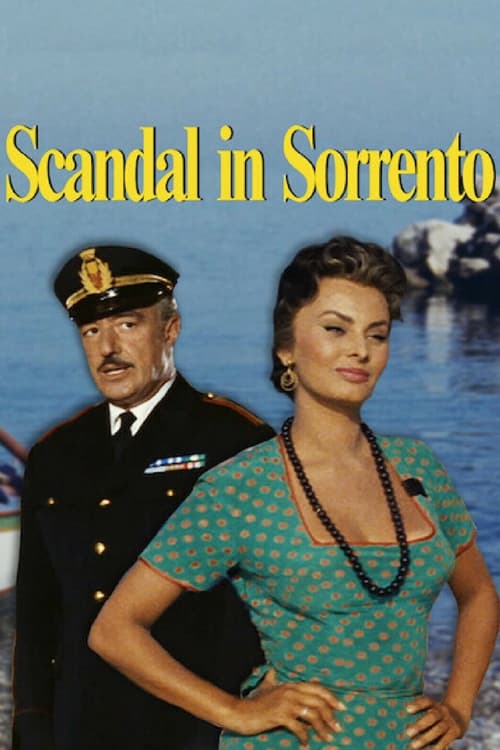
1955
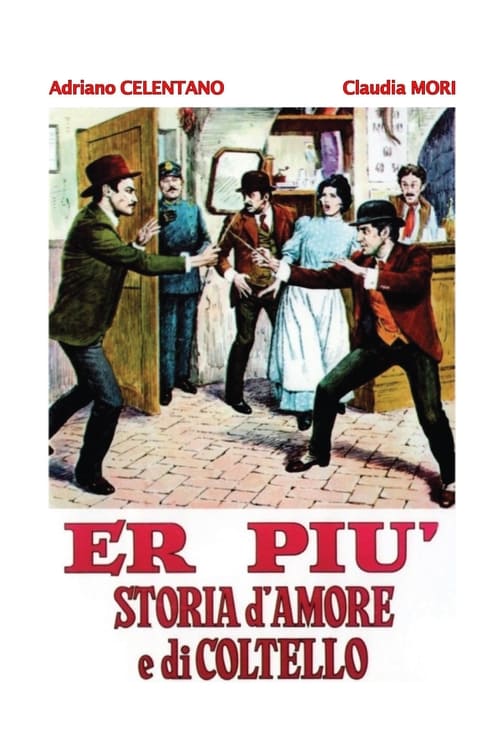
1971

1952
1994
1956
1995
1965
No reviews yet. Be the first to share your thoughts on this movie!
Use the rating form above to leave a star rating and optional review.