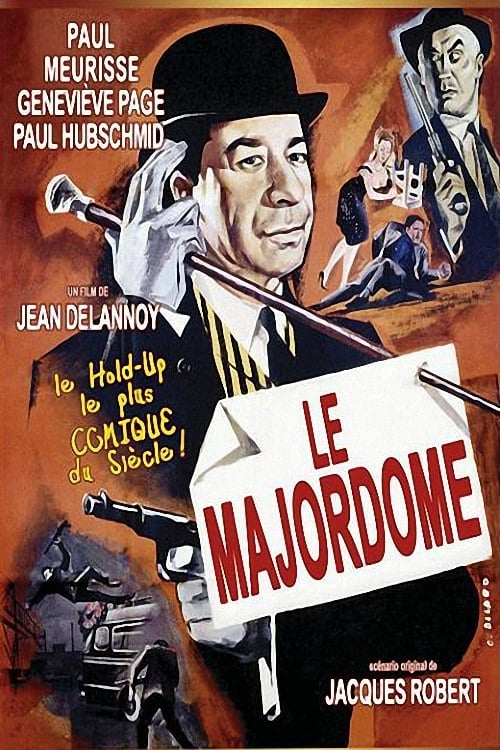
Le Majordome
1965
No user ratings available yet
Diversity score: 2.8 out of 10
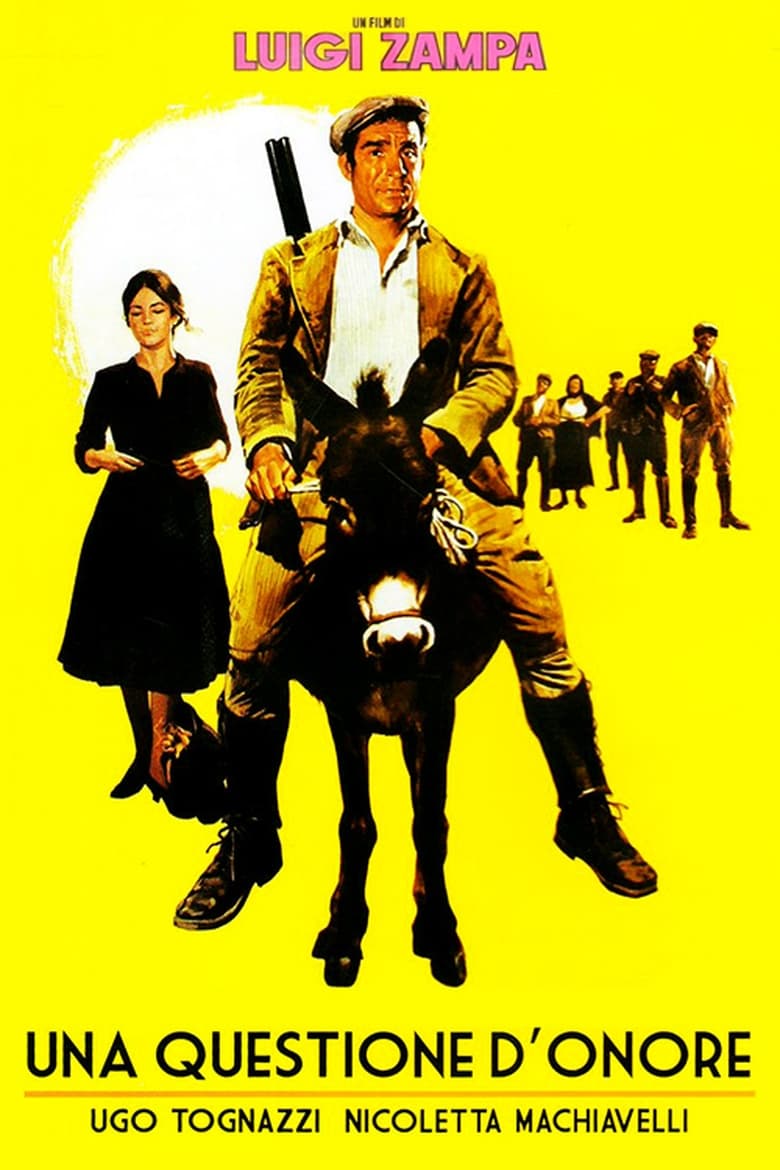
1966
Director
Luigi Zampa
Runtime
110 minutes
Average Rating
No ratings yetSynopsis
Efisio Mulas is a meek laborer who lives with occasional work, especially in Don Leandro Sanna's salon, and rounds up the slim balance by betting with colleagues in strength with the game "head against head". In the village the Sanna and Porcu families' conflict has lasted over a century.
Overall Score
Minimal
Category Breakdown
LGBTQ+ Representation
The film focuses on traditional masculine dynamics and familial honor. There is no presence of non-cisnormative identities or narratives that challenge heteronormativity.
Gender Representation
A rigid, male-dominated hierarchy drives the plot. Women occupy primarily domestic or peripheral roles, reinforcing traditional hierarchies rather than subverting them.
Racial & Ethnic Diversity
The cast is ethnically homogeneous, reflecting a specific regional Italian context. The narrative does not engage with racial or ethnic diversity.
Religious & Cultural Diversity
The story explores the weight of tradition and cyclical vendettas in post-war Italy. It uses social realism to examine the breakdown of social order.
Disability Representation
There is no discernible representation of physical or neurodivergent disabilities. Characters are defined by social standing and familial conflict instead.
Strengths
Areas for Improvement
AI Analysis
A Matter of Honor is a period-specific study of traditional social structures and historical grievances. The narrative is built upon conventional hierarchies of gender, family, and honor, reflecting the social constraints of 1960s Italy. While the film offers a sophisticated critique of social instability and the friction between morality and institutions, it lacks intersectional representation. The focus remains on localized, socio-cultural realities rather than diverse or subversive themes. Ultimately, the film operates within a traditional cinematic framework. It prioritizes the exploration of patriarchal honor and regional conflict over modern progressive frameworks of identity.
1965
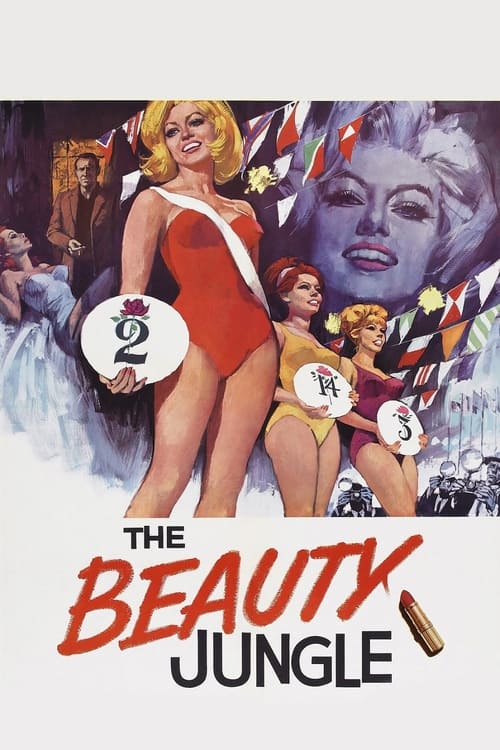
1964

1947
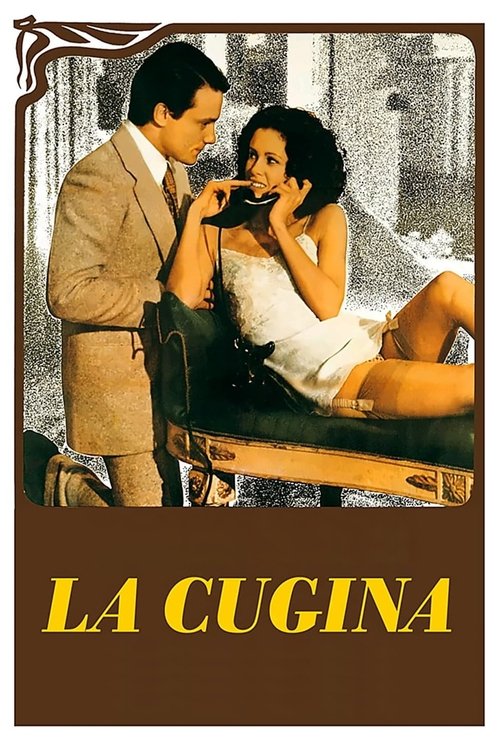
1974
1990
1955
1950
2011
1974
1956
1959
1964
No reviews yet. Be the first to share your thoughts on this movie!
Use the rating form above to leave a star rating and optional review.