Soul Mate
2003
No user ratings available yet
Representation score: 2.4 out of 10
Representation Score
Limited
2000
Director
Sergio Rubini
Runtime
96 minutes
Average Rating
No ratings yetNew Showbiz Analysis
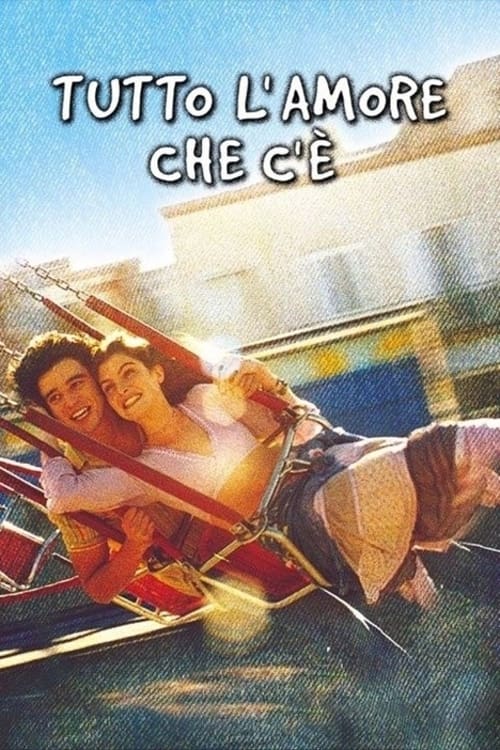
Tutto l'amore che c'è is a regional period drama that explores social disruption within a 1970s Apulian setting. While it introduces strong female characters who challenge the static social order, the film remains anchored in traditional storytelling. The narrative lacks multi-layered complexity, focusing instead on the friction between regional identities and the corruption of local institutions. It functions more as a humanist drama than a work of systemic subversion. Ultimately, the film's scope is limited by its historical and regional focus, resulting in a narrow representation of identity and social dynamics.
Category Breakdown
The film focuses on traditional romantic relationships and interpersonal betrayals. There are no representations of non-binary gender identities or narratives that critique the assumption that everyone is straight or cisgender.
Three strong female characters act as catalysts for social change in a provincial town. However, the story remains centered on a male perspective, which might frame women primarily as objects of desire.
The setting reflects the demographic homogeneity of 1970s Apulia. The narrative prioritizes regional tensions between the North and South, without exploring multi-layered racial dynamics.
The plot explores systemic corruption through themes of stolen state money and broken promises. It focuses on personal emotional landscapes rather than explicit ideological or secularist advocacy.
There are no visible or invisible disabilities central to the narrative arc. No characters are portrayed with disabilities as part of the plot.
Present on Screen
Limited or Absent
Official Synopsis
The story takes place in an unspecified town in Apulia. We are in the '70s. The arrival of three beautiful and uninhibited girls from the North, the daughters of an engineer who has moved to run a factory, brings the turmoil amongst the young people of the town. Stories of love, betrayals, state money (stolen) and broken promises intertwine. All through the eyes of Carlo (alter ego of the director Sergio Rubini), the youngest.
2003
1997
1999
1978
1990
1991
1974
1995
No reviews yet. Be the first to share your thoughts on this movie!
Use the rating form above to leave a star rating and optional review.