Benvenuti in casa Gori
1990
No user ratings available yet
Representation score: 2.9 out of 10
Representation Score
Limited
1991
Director
Alessandro Benvenuti
Runtime
90 minutes
Average Rating
No ratings yetNew Showbiz Analysis
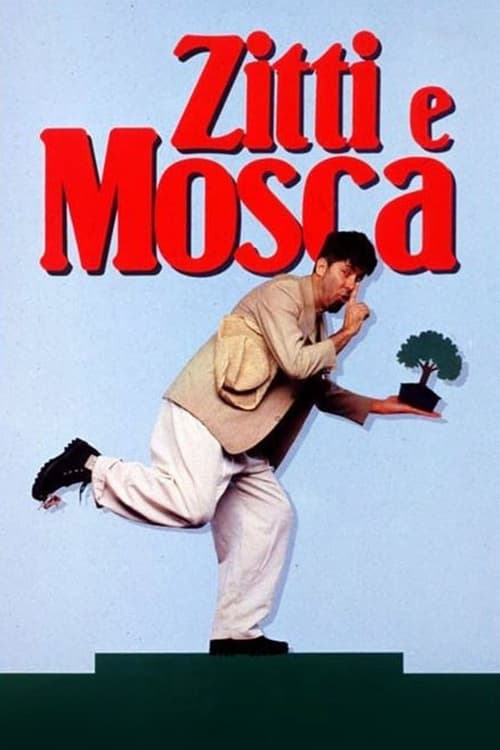
Zitti e mosca is a socio-political character study centered on a small Tuscan village during a period of historical transition. The film finds its depth in the confusion surrounding the fall of Communism and the resulting decay of established systems. While the film lacks significant diversity regarding race and LGBTQ+ identity, it succeeds as a critique of institutional stability. It prioritizes the subjective experiences of dazed characters over traditional moral codes. Ultimately, the work functions as an observation of provincial life, focusing more on class and communal stagnation than on broad demographic representation.
Category Breakdown
The film focuses on the interpersonal dynamics of a traditional Tuscan village. There is no explicit evidence of non-binary gender identities or same-sex intimacy within the narrative.
The comedy-drama explores the friction between individual desires and communal expectations. It potentially offers nuanced portrayals of women's ability to drive the story by departing from idealized depictions of domestic stability.
Set in a rural Tuscan village, the cast and setting appear largely homogeneous. The film reflects the specific demographic reality of the Italian provinces during this period.
The narrative engages with shifting political landscapes, specifically the fall of Communism. It uses provincial stagnation to critique institutional stability and traditional social norms.
There is no documented evidence regarding the inclusion of characters with visible or invisible disabilities in the film.
Present on Screen
Limited or Absent
Official Synopsis
In a small Tuscan village that's waiting for the local festival to commence, amidst confusion about the fall of Communism, the lives of some dazed characters intertwine.
1990

1989
1995
1997

1999
2020
1998
2021
No reviews yet. Be the first to share your thoughts on this movie!
Use the rating form above to leave a star rating and optional review.