La scuola
1995
No user ratings available yet
Diversity score: 4.6 out of 10
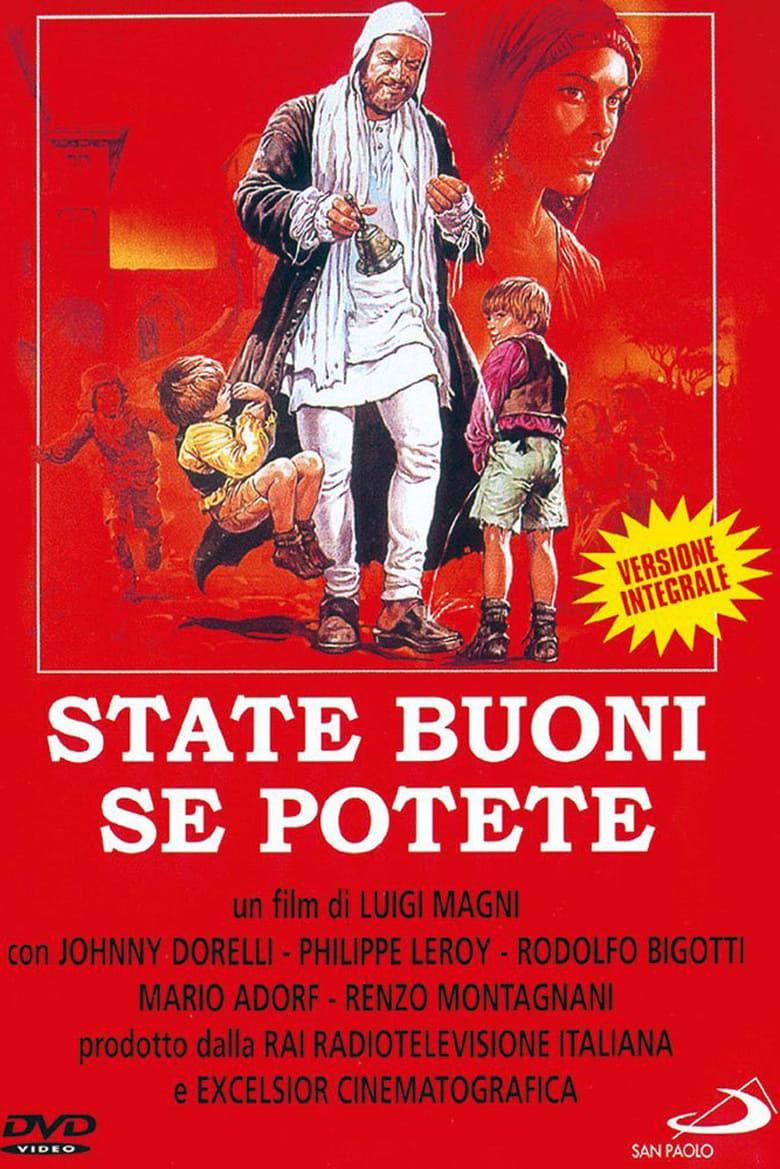
1983
Director
Luigi Magni
Runtime
149 minutes
Average Rating
No ratings yetSynopsis
Around the year 1500, the Italian priest Don Filippo Neri helps street kids and orphans in his poor little chapel.
Overall Score
Fair
Category Breakdown
LGBTQ+ Representation
The film lacks any depiction of non-cisnormative identities or same-sex intimacy. The story focuses on male camaraderie within a traditional historical framework.
Gender Representation
Narrative momentum is driven almost exclusively by male characters. Women are present but largely relegated to domestic or secondary social spheres.
Racial & Ethnic Diversity
The cast and setting are ethnically homogeneous, reflecting the historical reality of the Papal States. It functions as a localized study of Italian identity.
Religious & Cultural Diversity
The film provides a sharp critique of the Papacy, portraying it as a corrupt and oppressive force. It challenges religious hegemony by framing subversion as a moral necessity.
Disability Representation
There is no significant evidence of characters with disabilities being afforded agency. The focus remains on political and ideological struggles.
Strengths
Areas for Improvement
AI Analysis
Luigi Magni’s film is a period piece that prioritizes ideological conflict over demographic variety. While it lacks representation for LGBTQ+ individuals, women, and people with disabilities, it finds its strength in its subversive cultural perspective. The narrative succeeds by deconstructing the sanctity of established institutions. By portraying the Church as a systemic antagonist, the film offers a sophisticated critique of traditional authority and religious hegemony. Ultimately, the film trades broad demographic inclusivity for deep thematic complexity, focusing on the friction between individual conscience and institutional power.
1995
1962
1976
1991
1997

1999

2011
1994
1970

1990

2009

1975
No reviews yet. Be the first to share your thoughts on this movie!
Use the rating form above to leave a star rating and optional review.