
The Insatiable
1971
No user ratings available yet
Representation score: 5.0 out of 10

Representation Score
Fair
1980
Director
Kōyū Ohara
Runtime
62 minutes
Average Rating
No ratings yetNew Showbiz Analysis
Daydream of Love is a character-driven drama that centers on female empowerment and the subversion of traditional domestic hierarchies. By focusing on Yoko's rebellion against her father's remarriage, the film moves away from the cliché of the dutiful daughter toward a more complex psychological study. The narrative's strength lies in its willingness to explore social transgressions and the breakdown of the nuclear family. It replaces traditional stability with a darker, more subjective exploration of a protagonist's descent into self-destructive behavior. However, the film lacks specific representation for LGBTQ+ identities and disability. While it offers a non-Western perspective, it does not provide evidence of multi-ethnic or multi-layered casting dynamics.
Category Breakdown
The film does not include explicit representations of same-sex relationships or non-cisgender identities. Yoko's promiscuous behavior hints at a departure from traditional norms, but there are no specific LGBTQ+ storylines or characters.
Yoko avoids the cliché of the submissive daughter by actively rebelling against patriarchal authority. Her strong role in driving the plot positions her as a key figure rather than a passive participant.
As a Japanese production, the film provides a non-Western cultural context. However, it does not show multi-ethnic dynamics or diverse casting that blends different racial backgrounds.
The story challenges the sanctity of the nuclear family by focusing on the breakdown of domestic stability. It prioritizes individual emotional experiences over traditional social cohesion.
There is no information regarding the depiction of physical, neurodivergent, or mental health disabilities in this work.
Present on Screen
Limited or Absent
Official Synopsis
Yoko is upset when her father remarries and begins rebelling against her new stepmother. First, this is accomplished by promiscuity and partying but eventually her schemes take a much darker turn...
1971

1969

1978

1978

1972

1985

1982
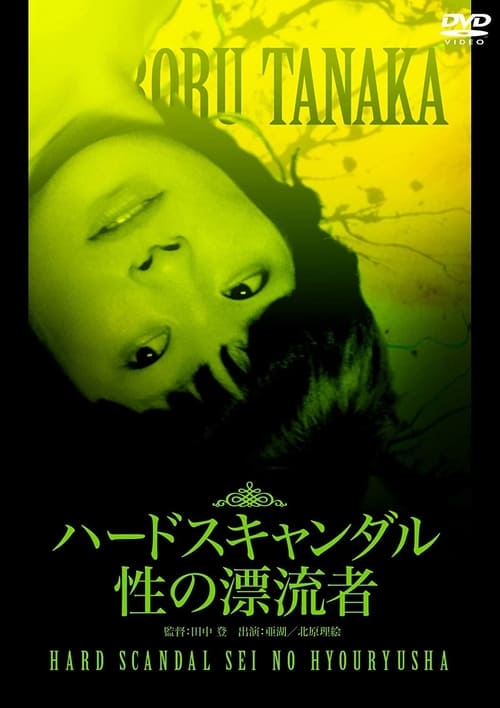
1980
No reviews yet. Be the first to share your thoughts on this movie!
Use the rating form above to leave a star rating and optional review.