
Wet Lips
1972
No user ratings available yet
Representation score: 6.5 out of 10
Representation Score
Fair
1975
Director
Tatsumi Kumashiro
Runtime
72 minutes
Average Rating
No ratings yetNew Showbiz Analysis
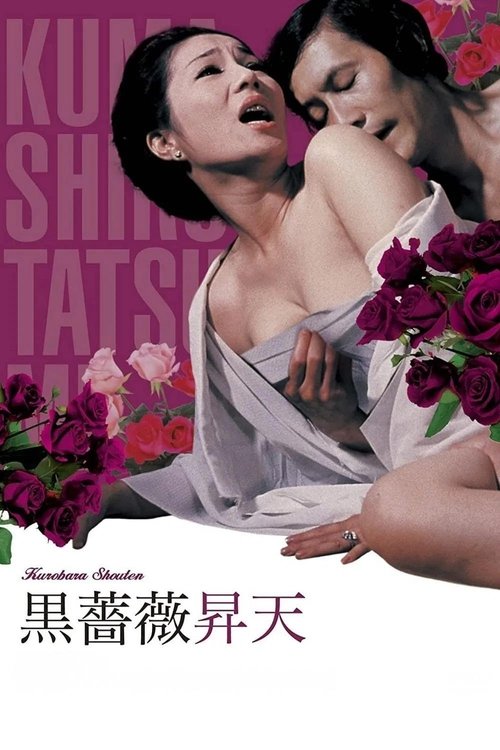
Ecstasy of the Black Rose is a study of transgression that disrupts the traditional authority of the director figure. The plot moves from professional control to a desperate, voyeuristic pursuit of an elusive subject. The film highlights the tension between domestic roles and professional autonomy. By centering the conflict on a woman's choice to leave her career due to pregnancy, it undermines conventional masculine control. While the film lacks explicit markers for many identity categories, its focus on social outsiders and the subversion of social scripts provides a layer of progressive cinematic exploration.
Category Breakdown
The film delves into the obsessive and voyeuristic aspects of desire. While specific LGBTQ+ identities are not confirmed, it emphasizes unconventional intimacy.
The story challenges traditional hierarchies by focusing on a woman's ability to drive the narrative and her decision to prioritize her pregnancy over her career. This shifts power away from the male protagonist.
As a Japanese production, the cast appears ethnically uniform. However, the film explores underrepresented social classes and outsider identities within its specific cultural landscape.
The narrative deconstructs traditional institutions by prioritizing individual impulse over social decorum. It focuses on the chaotic truths of human desire rather than religious morality.
There is no evidence regarding the portrayal of physical or neurodivergent disabilities in this film.
Present on Screen
Limited or Absent
Official Synopsis
After his leading actress becomes pregnant and wants to quit, Juzo, an adult film director, becomes obsessed with finding the woman whose moaning he captured secretly at a dentist’s office to star in the film instead.
1972

2017
1966

1969
1979

1972
1975

1972
No reviews yet. Be the first to share your thoughts on this movie!
Use the rating form above to leave a star rating and optional review.