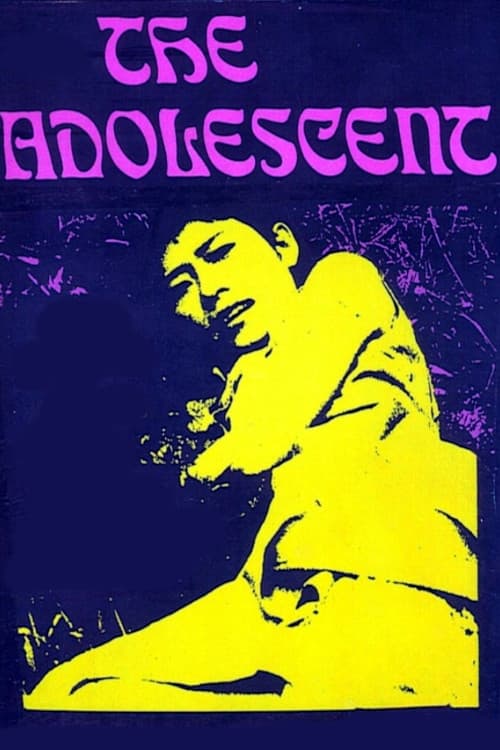
The Adolescent
1965
No user ratings available yet
Representation score: 5.0 out of 10
Representation Score
Good
1971
Director
Akio Jissoji
Runtime
135 minutes
Average Rating
No ratings yetNew Showbiz Analysis
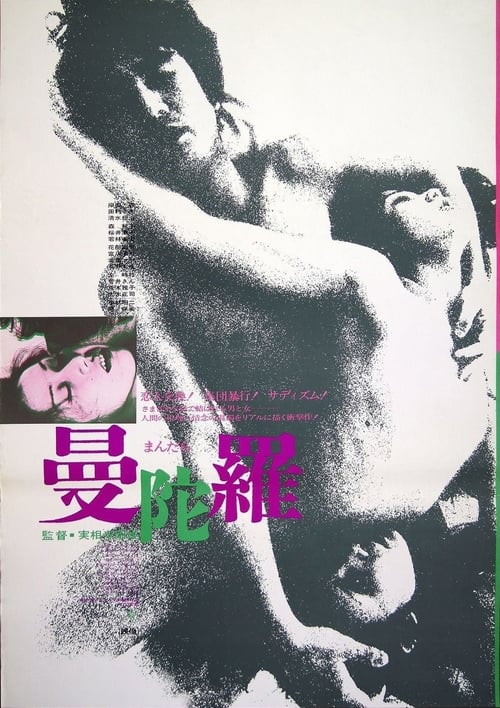
Mandala is a visually experimental drama that explores the tension between institutional spirituality and personal sensory experiences. It excels in its critique of religious authority and embraces moral relativism, challenging the absolute power of organized dogma. However, the film adheres to traditional social frameworks regarding identity. It relies on conventional romantic archetypes and lacks explicit representation of LGBTQ+ identities or disabilities. Gender dynamics remain traditional, often framing women as objects of desire or catalysts for male development. Ultimately, the film is a culturally specific work that prioritizes a critique of religious structures over a diverse range of social identities.
Category Breakdown
The film focuses on heterosexual relationships and traditional gender roles, without featuring LGBTQ+ identities or non-binary gender expressions. It stays within conventional sexual archetypes.
Women often act as catalysts for male spiritual growth. While women are portrayed through the lens of desire, the film challenges patriarchal norms by highlighting the fragility of male monastic discipline.
The cast is culturally uniform, reflecting a specific Japanese setting and historical context. This approach emphasizes cultural authenticity within its specific ethnic and religious context.
The narrative effectively critiques established institutions and religious dogma. It portrays the tension between asceticism and human nature, prioritizing subjective truth over rigid spiritual hierarchies.
The film lacks meaningful depictions of physical or neurodivergent disabilities. The narrative focuses on the psychological and spiritual changes of the main characters.
Present on Screen
Limited or Absent
Official Synopsis
Two university students from Kyoto decide to swap partners and spend the night in an isolated motel. However, one of the couples is attacked. Desperate for answers, they search for the attackers and come across a cult that promotes sexual freedom.
1965
1978
1967
1977
1970
1976
1994
1980
No reviews yet. Be the first to share your thoughts on this movie!
Use the rating form above to leave a star rating and optional review.