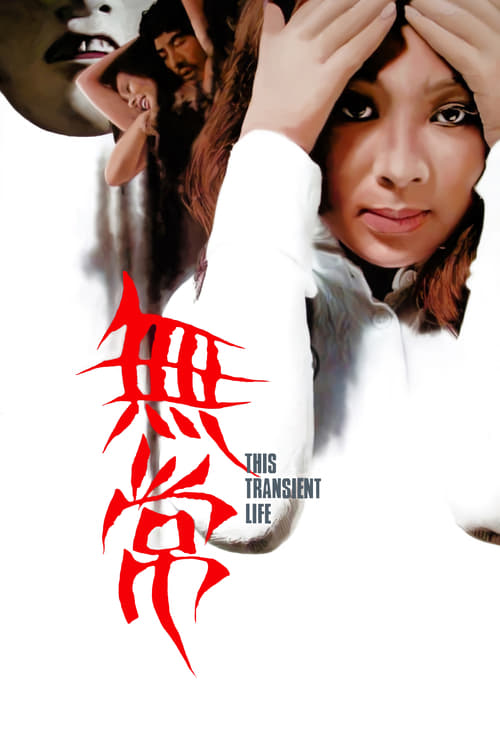
This Transient Life
1970
No user ratings available yet
Representation score: 5.4 out of 10
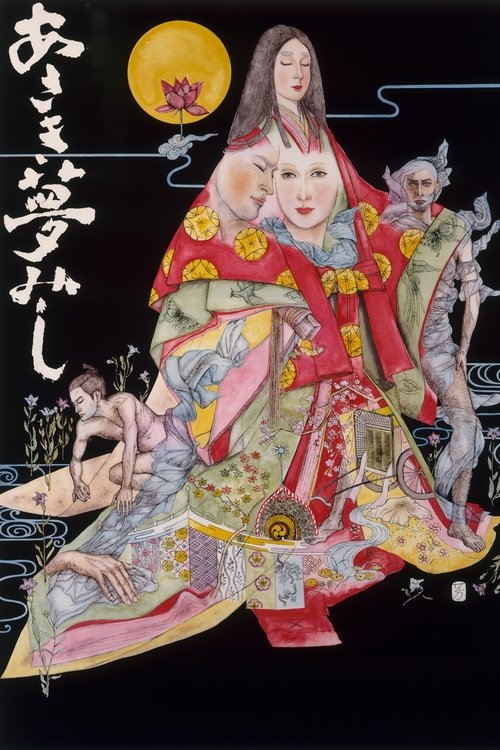
Representation Score
Good
1974
Director
Akio Jissoji
Runtime
120 minutes
Average Rating
No ratings yetNew Showbiz Analysis
Akio Jissoji’s period drama succeeds by centering on the reclamation of individual control against systemic oppression. The protagonist's journey from a concubine to a wandering nun provides a powerful critique of the rigid hierarchies found in 13th-century Kyoto. While the film remains within a framework that assumes everyone is straight or cisgender and historically homogeneous, it excels in its subversion of gender roles and institutional authority. It moves beyond simple period clichés to explore the tension between personal desire and state-controlled spirituality. Ultimately, the film's strength lies in its deconstruction of power, portraying the clergy and nobility as restrictive forces that the protagonist must overcome to achieve true autonomy.
Category Breakdown
The story follows a framework that assumes everyone is straight or cisgender, focusing on a concubine and a State Councillor. It explores unconventional romantic relationships but lacks explicit depictions of LGBTQ+ identities.
Shijo challenges traditional gender roles by reclaiming her autonomy. She transforms from a passive concubine into an independent nun, moving from being a social commodity to a self-directed person.
The casting reflects the historical homogeneity of 13th-century Japan. The film highlights internal class struggles and social stratification rather than modern ethnic diversity.
The film critiques the oppressive combination of the Imperial court and the clergy. Shijo’s spiritual journey prioritizes personal liberation over strict, organized religious institutions.
There are no visible or mentioned depictions of physical or mental disabilities within the narrative.
Present on Screen
Limited or Absent
Official Synopsis
Set in 13th century Kyoto, where the Imperial court is under control of the clergy. Shijo was a peasant girl sold to a powerful daima as a concubine. Bored by her life in seclusion she starts an affair with State Councillor and the brother of a retired Emperor. Realising that she is only a plaything of the court, she becomes a nun and wanders the country.
1970
1952

1962

1956
1975
1968

1973

1980
No reviews yet. Be the first to share your thoughts on this movie!
Use the rating form above to leave a star rating and optional review.