Poem
1972
No user ratings available yet
Diversity score: 5.6 out of 10
1989
Not RatedDirector
Bae Yong-kyun
Runtime
145 minutes
Average Rating
No ratings yetSynopsis
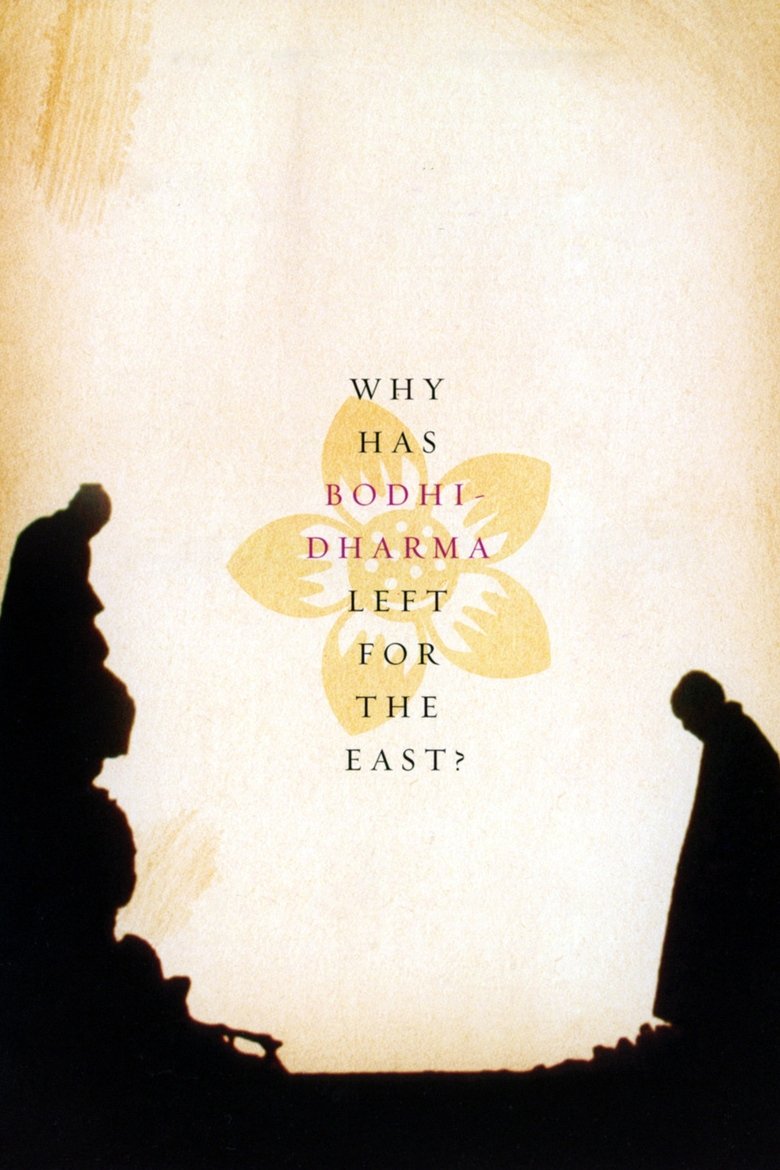
About three monks in a remote monastery; an aging master, a small orphan and a young man who left his city life to seek Enlightenment.
Overall Score
Fair
Category Breakdown
LGBTQ+ Representation
The film focuses on a monastic setting centered on spiritual pursuit. There is no explicit evidence of LGBTQ+ characters or narratives addressing non-heteronormative identities.
Gender Representation
The narrative centers on a triad of male figures: an aging master, a young man, and an orphan. This male-centric ensemble lacks female agency or the subversion of gendered power dynamics.
Racial & Ethnic Diversity
As a South Korean production, the film features a culturally specific, non-Western cast. While it disrupts Western-centric hegemony, the homogeneity of the monastic setting limits further intersectional diversity.
Religious & Cultural Diversity
The film prioritizes Buddhist philosophy and the pursuit of Enlightenment. This challenges Western capitalist notions of productivity and material success by emphasizing internal spiritual evolution.
Disability Representation
The film features an orphan, which may imply systemic vulnerability. However, there is no specific evidence regarding the portrayal of physical or neurodivergent disabilities as central character arcs.
Strengths
Areas for Improvement
AI Analysis
Bae Yong-kyun’s film offers a contemplative departure from mainstream commercial tropes, focusing on philosophical and spiritual inquiry. It succeeds in disrupting Western-centric hegemony by centering East Asian identity and Buddhist thought over Western moral frameworks. However, the film remains limited by a traditional, male-dominated character ensemble. The narrative architecture relies on a triad of male figures, resulting in a lack of female agency and visible LGBTQ+ representation. Ultimately, the work is a culturally significant piece that challenges Western paradigms of success and morality, even as it maintains a homogeneous social structure within its monastic setting.
1972
1982
2020
1996
1986
1970
2018
1989
2008
2008
2008

2017
No reviews yet. Be the first to share your thoughts on this movie!
Use the rating form above to leave a star rating and optional review.