Niagara Falls
1941
No user ratings available yet
Representation score: 0.4 out of 10
Representation Score
Minimal
1940
ApprovedDirector
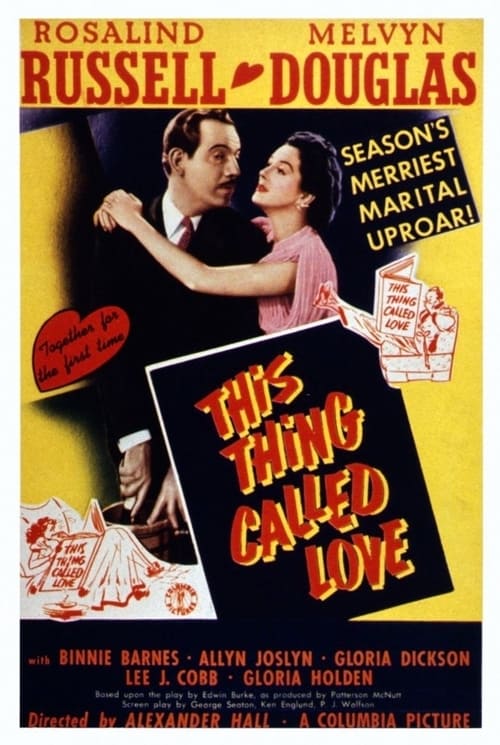
Alexander Hall
Runtime
98 minutes
Average Rating
No ratings yetNew Showbiz Analysis
This screwball comedy disrupts traditional gender power dynamics by giving the female lead authority over the relationship's terms. Her intellectual parity and active role provide a refreshing contrast to typical submissive femininity. However, the film is limited by the era's lack of diversity. It lacks racial and cultural breadth, focusing instead on a narrow, Anglo-centric high-society environment that offers little multi-layered depth. Ultimately, the film remains a period piece that prioritizes romantic negotiation over broader social representation, staying tied to the conventional studio system of 1940.
Category Breakdown
The film follows strict 1940s social norms where everyone is assumed to be straight or cisgender. There is no depiction of LGBTQ+ identities or non-traditional gender expressions.
The female lead plays a significant role in driving the story and shows intellectual parity. She challenges traditional gender roles by dictating the terms of her marriage.
The cast is mostly made up of white actors, reflecting the era's lack of diversity. The setting emphasizes a narrow, Anglo-centric social norm without giving much ability to act to characters of color.
The narrative focuses on traditional social structures and conventional morality. It serves as a romantic resolution rather than a critique of Western institutions or the family unit.
No visible or invisible disabilities are shown. Characters are depicted according to the typical physical and neurotypical standards of the era's romantic leads.
Present on Screen
Limited or Absent
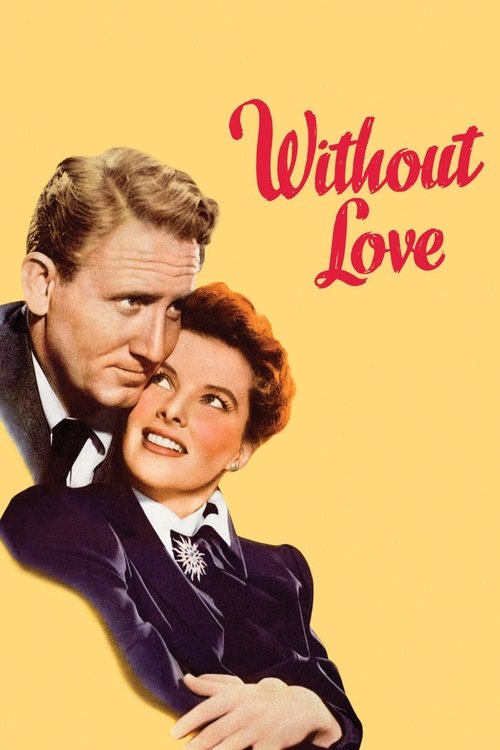
Official Synopsis
Two professional people marry, but the wife insists that they be celibate for the first three months to make sure they are truly compatible.
1941
1993

1942
1940

1957
1934
1941
1945
No reviews yet. Be the first to share your thoughts on this movie!
Use the rating form above to leave a star rating and optional review.