
May Wine
1990
No user ratings available yet
Representation score: 1.8 out of 10
Representation Score
Fair
1992
PG-13Director
Carol Wiseman
Runtime
94 minutes
Average Rating
No ratings yetNew Showbiz Analysis
The film offers a moderate level of representation by challenging typical romantic comedy clichés. It avoids the 'damsel in distress' cliché by giving the female lead significant control over her professional and personal life. While the story delves into the complexities of immigration and legal status, it primarily focuses on Western European and American identities. The narrative highlights the pragmatic nature of marriage as a solution to bureaucratic issues rather than offering a deeper critique of systemic problems. Ultimately, the film's strength lies in its exploration of marriage as a pragmatic tool, despite a lack of significant LGBTQ+ or racial diversity.
Category Breakdown
The main story focuses on a heterosexual relationship. There are no visible representations of LGBTQ+ identities or relationships between characters who don't identify as cisgender.
The female protagonist, Deena, plays a significant role in driving the story. She actively manages her career and deals with the challenges of her immigration status.
The film sets its story in Paris, exploring both American and French cultural identities. However, it doesn't provide much diversity in terms of race or ethnicity.
The plot looks at marriage as a practical solution to navigate bureaucratic systems. This shifts the focus away from traditional, sacred views of marriage towards more situational ethics.
There are no characters with visible or hidden disabilities. The film does not address neurodivergence or physical impairments either.
Present on Screen
Limited or Absent
Official Synopsis
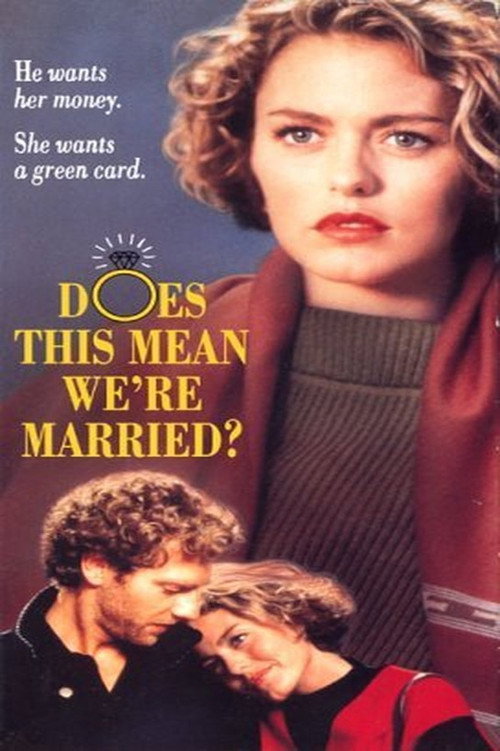
It's a green-card marriage romance. Deena, an American standup comic living in Paris, has an expired visa. So, she marries Nick Foulliet, a struggling musician with a different woman for every day of the week. First the immigration investigation, and then a series of financial disasters push Deena and Nick into spending time together, and they fall in love. But can their in-name-only marriage become real?
1990

1972
2004

1990

2000
1993

2019

1995
No reviews yet. Be the first to share your thoughts on this movie!
Use the rating form above to leave a star rating and optional review.