
Love Lasts Three Years
2011
No user ratings available yet
Diversity score: 4.4 out of 10
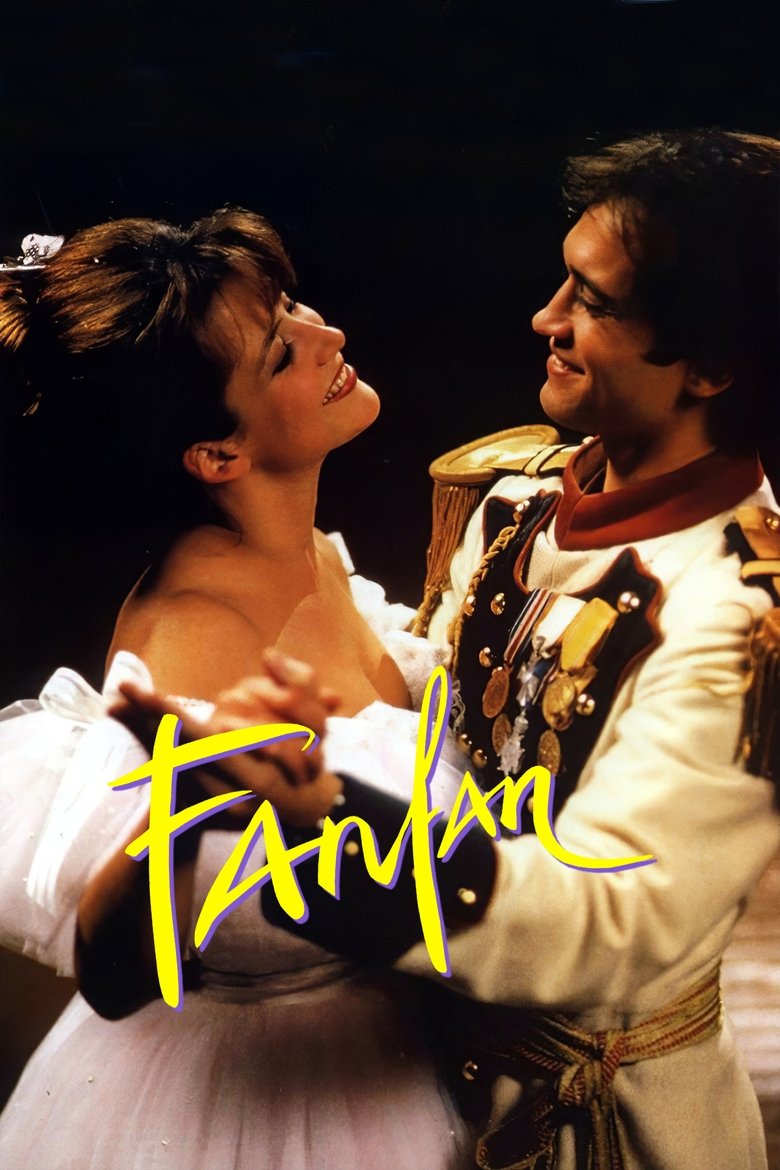
1993
Director
Alexandre Jardin
Runtime
89 minutes
Average Rating
No ratings yetSynopsis
After seeing the initial passion and romance fade into a series of routine and boring relationships, Alexandre (Vincent Perez) concludes that romance ends when sex enters into a relationship. Determined to prevent this from happening with his latest love-interest—a sexy young woman named Fanfan (Sophie Marceau)—he decides that platonic love is the solution. Despite the wonderful, romantic, and inventive ways Alexandre finds for them to spend time together, Fanfan is left disappointed by his refusal to make love to her. Their exciting relationship becomes jeopardized by Alexandre's unwillingness to change his new approach to love.
Overall Score
Fair
Category Breakdown
LGBTQ+ Representation
The film focuses strictly on heteronormative romantic pursuits. There is no visible presence of LGBTQ+ characters or non-cisnormative identities within the narrative.
Gender Representation
Fanfan subverts traditional hierarchies by exercising significant agency over her emotional and sexual encounters. She acts as the primary driver of the plot rather than a passive object.
Racial & Ethnic Diversity
The social circle is largely homogeneous, reflecting a specific segment of French middle-to-upper-class society. The film lacks intersectional representation of non-white identities.
Religious & Cultural Diversity
The story challenges traditional Western institutions by framing the rejection of marriage as a pursuit of personal freedom. It prioritizes subjective experience over institutional permanence.
Disability Representation
Characters are portrayed within a standard able-bodied framework. There is no discernible representation of physical, sensory, or neurodivergent disabilities.
Strengths
Areas for Improvement
AI Analysis
Fanfan is a character-driven romance that excels in subverting gendered power dynamics. By centering Fanfan's autonomy, the film avoids the trope of the woman as a mere object of desire. However, the film lacks demographic breadth. The narrative is confined to a homogeneous social circle, offering very little racial or LGBTQ+ representation. This creates a narrow, culturally specific lens. Ultimately, the film's progressive nature is thematic rather than demographic. It deconstructs social mores and traditional domesticity, even while remaining within a limited, able-bodied, and heteronormative framework.
2011
2003

2001
1999
2004
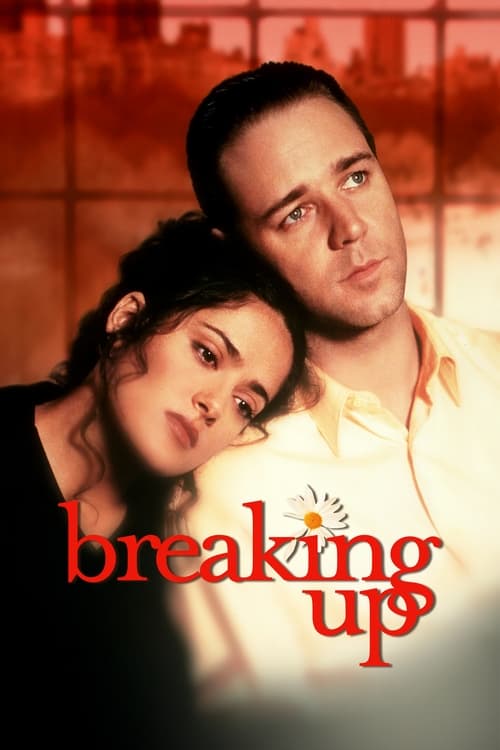
1997
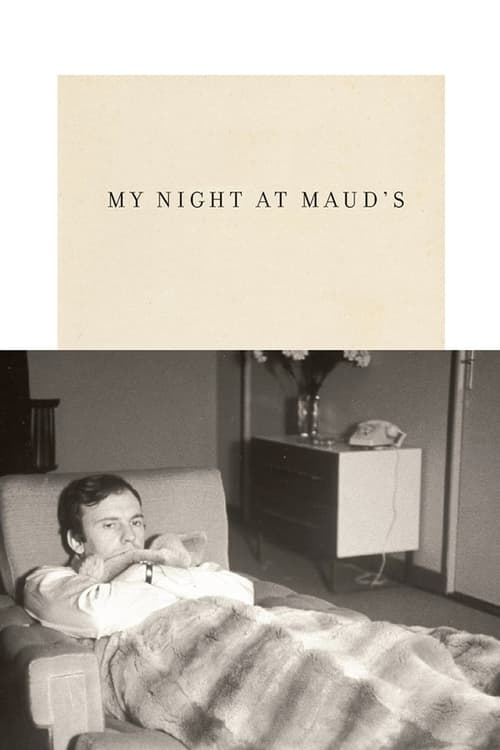
1969
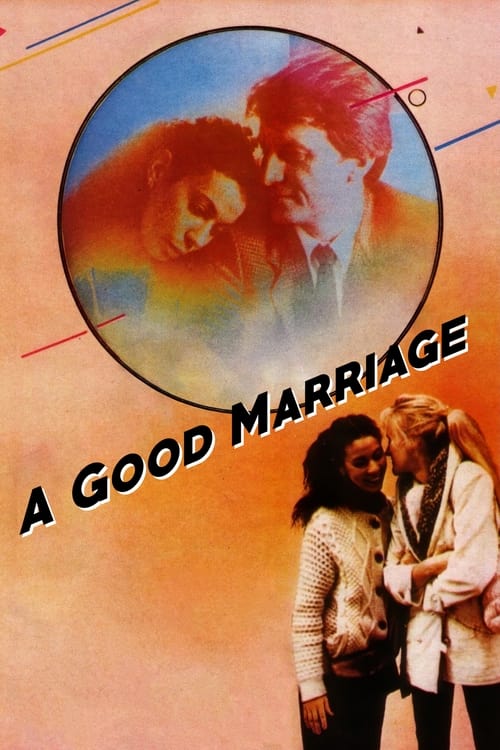
1982

1978
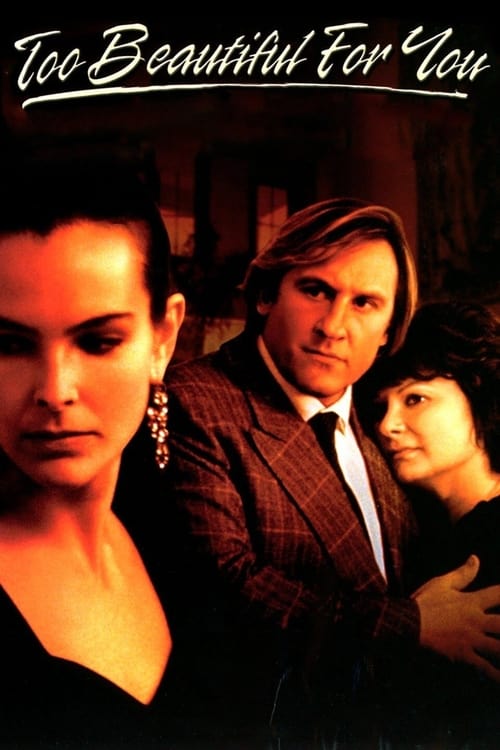
1989
1992
1964
No reviews yet. Be the first to share your thoughts on this movie!
Use the rating form above to leave a star rating and optional review.