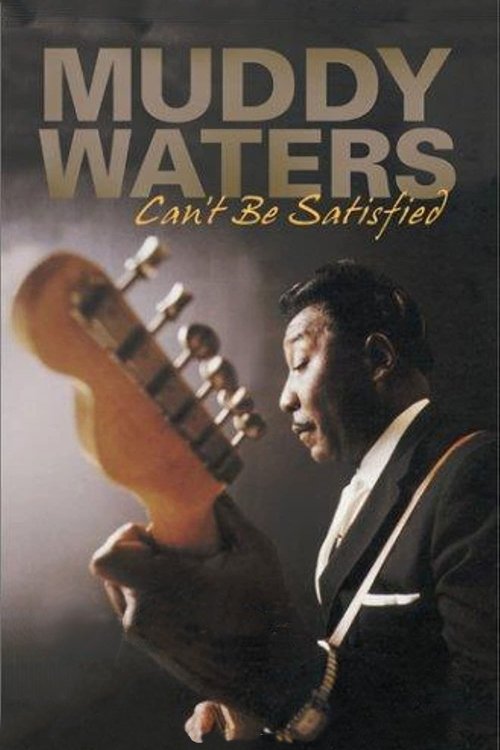
Muddy Waters: Can't Be Satisfied
2003
No user ratings available yet
Representation score: 3.9 out of 10
Representation Score
Limited
2016
TV-14Director
Joe Lauro
Runtime
85 minutes
Average Rating
No ratings yetNew Showbiz Analysis
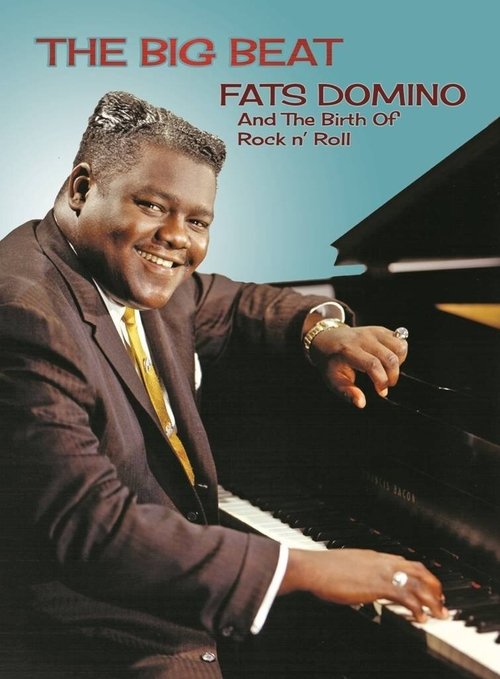
This documentary moves beyond a simple biography to examine how Fats Domino helped dismantle social hierarchies through music. By centering a Black icon, the film challenges Anglo-centric histories of rock 'n' roll and highlights the ability to act of Black creators. While the film provides a progressive lens on racial integration and the disruption of segregation, it is constrained by the era's social norms. The narrative remains largely focused on male figures and lacks representation of LGBTQ+ identities or female musical ability to act. Ultimately, the film serves as a sophisticated historical critique. It uses the evolution of a musical genre to illustrate the struggle against systemic inequality and the power of cultural expression to bridge racial divides.
Category Breakdown
The film focuses on the musical landscape of the 1950s and 60s. It contains no documented LGBTQ+ narratives or non-assuming gender matches what was assigned at birth identities.
The narrative centers on a male-dominated music industry. It lacks a significant focus on female musicians or the subversion of gender hierarchies.
The documentary excels by centering Black ability to act and artistry. It frames Fats Domino's success as a disruption to the racial power dynamics of the Jim Crow era.
The film critiques mid-century segregation and systemic oppression. It highlights how music served as a vital tool for cultural integration and social change.
There is no significant focus on visible or invisible disabilities within the narrative arc.
Present on Screen
Limited or Absent
Official Synopsis
One of the most popular rockers of the 1950s and early 60s, Fats Domino and his record sales were rivaled then only by Elvis Presley. With his boogie-woogie piano playing rooted in blues, rhythm & blues, and jazz, he became one of the inventors, along with Presley, Chuck Berry, Jerry Lee Lewis and Little Richard, of rock ‘n’ roll, a revolutionary genre that united young black and white audiences.
2003
2018
1987
2021
2012
2008
2010
2022
No reviews yet. Be the first to share your thoughts on this movie!
Use the rating form above to leave a star rating and optional review.