Benda Bilili!
2010
No user ratings available yet
Representation score: 8.5 out of 10
Representation Score
Fair
2017
PGDirector
Lucy Walker
Runtime
110 minutes
Average Rating
No ratings yetNew Showbiz Analysis
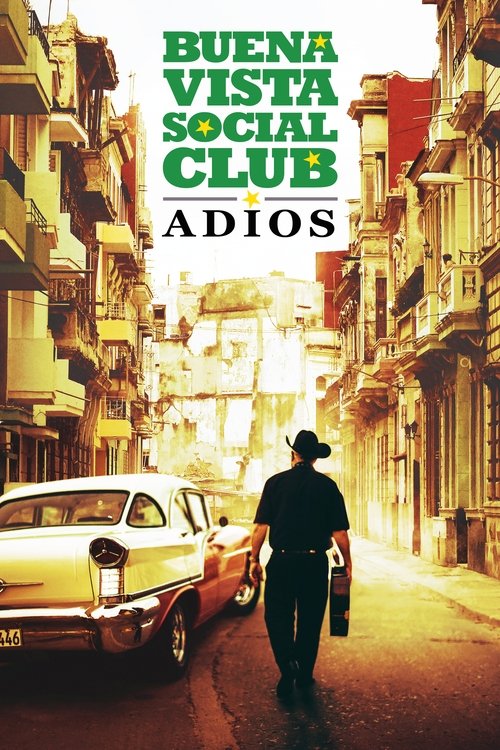
Buena Vista Social Club: Adios is a powerful celebration of Afro-Cuban musical heritage. It succeeds by centering Black ability to act and providing a platform for musicians whose cultural contributions were historically sidelined. The film effectively challenges gender hierarchies by positioning women like Omara Portuondo as authoritative creative leaders. However, the documentary lacks representation regarding LGBTQ+ identities and disability, which limits the film's overall diversity scope despite their non-central nature to the musical subject matter.
Category Breakdown
The documentary focuses on the biographical and musical legacies of the featured artists. There is no discernible evidence of LGBTQ+ characters or non-binary gender identities within the film.
Omara Portuondo serves as a central figure and musical peer to her male counterparts, playing a significant role in driving the story. The film avoids submissive femininity clichés, highlighting female competence and leadership within Afro-Cuban traditions.
The film excels by centering Afro-Cuban identity through a predominantly Black cast. It treats racial identity as an organic component of artistry, facilitating a deep exploration of Black ability to act.
The narrative emphasizes the dignity of musicians living within Cuba's specific socioeconomic framework. It offers a nuanced view of life outside capitalist norms and challenges Western-centric musical hierarchies.
There are no prominent depictions of physical or neurodivergent disabilities. The focus remains on the aging process and the physical vitality required for musical performance.
Present on Screen
Limited or Absent
Official Synopsis
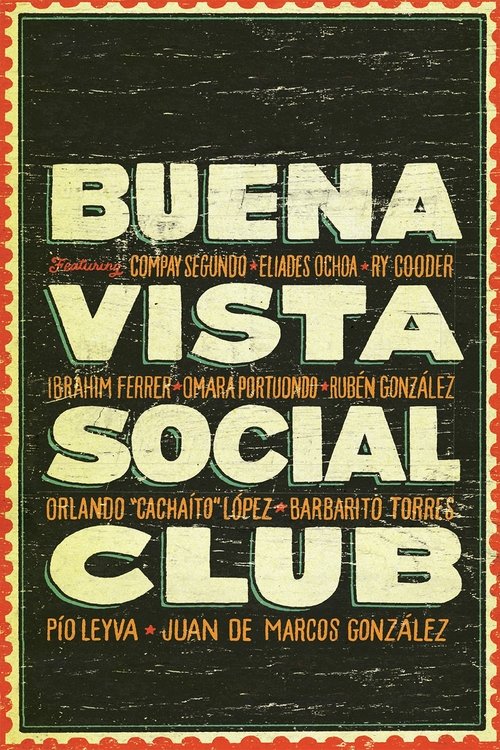
In 1996, Cuban bandleader Juan de Marcos Gonzalez, British producer Nick Gold, and American guitarist Ry Cooder convened in Havana to produce a Cuban-Malian collaboration. When the Malians couldn’t get visas, the team turned their attention to reviving a forgotten generation of legendary son cubano musicians and formed an on-the-fly ensemble: the Buena Vista Social Club. Two decades since that fateful first session, we catch up to these master musicians, as they reflect on the magical unfolding of their lives—from humble origins to the evolution and surprising revival of their careers, all against the backdrop of Cuba’s dramatic history. Brimming with unseen concert, rehearsal, and archival footage, this film is an emotional, shimmering celebration of music’s power to transcend age, ideologies, and class, and to connect us to each other through our souls.
2010
2018
2010
1999

2020
2016

2018
2021
No reviews yet. Be the first to share your thoughts on this movie!
Use the rating form above to leave a star rating and optional review.