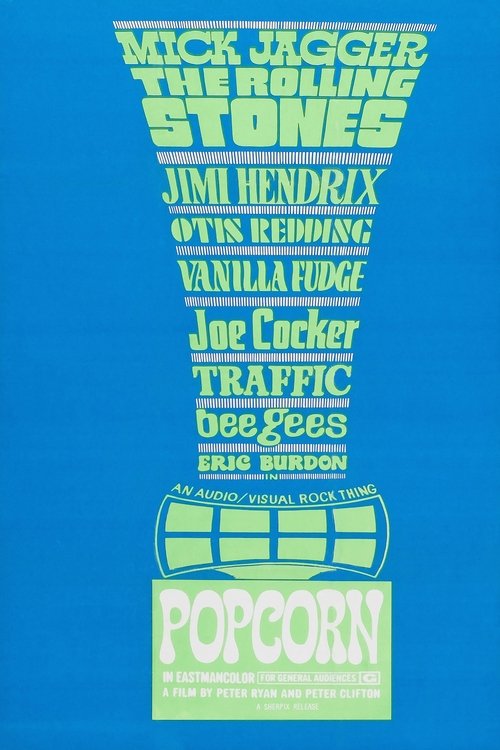
Popcorn
1969
No user ratings available yet
Representation score: 3.6 out of 10
Representation Score
Limited
1964
NRDirector
Steve Binder
Runtime
112 minutes
Average Rating
No ratings yetNew Showbiz Analysis
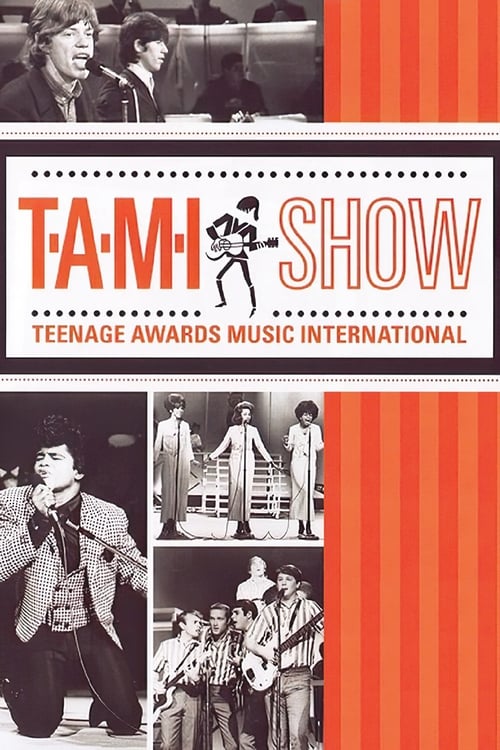
The T.A.M.I. Show is a landmark musical document that captures a pivotal moment of integration in American popular music. By placing Motown and Soul artists on the same stage as British Invasion and Surf Rock acts, the film disrupts the segregationist performance standards of 1964. While the film lacks representation for LGBTQ+ and disabled individuals, its impact is heavily driven by its racial and ethnic diversity. The programming creates a tapestry of identity that fundamentally challenged the racial status quo of the American concert stage. Ultimately, the film serves as a precursor to the cultural shifts of the late 1960s, using a commercial musical showcase to facilitate a significant cross-cultural exchange.
Category Breakdown
The film focuses solely on the musical performances of the era and does not depict any non-cisgender identities or queer themes.
Female vocalists such as Mary Wells and The Ronettes are prominently featured. However, their portrayals adhere to traditional 1960s aesthetic standards and do not explicitly challenge the masculine-dominated industry structure.
The production showcases a diverse range of Black and white performers, seamlessly integrating them and breaking down the racial barriers of the time.
The film operates within the framework of Western capitalism and the entertainment industry. It celebrates a pluralistic youth culture that transcends traditional institutional boundaries.
There is no visible or documented representation of neurodivergence or physical disabilities within the performances or the captured audience.
Present on Screen
Limited or Absent
Official Synopsis
Hailed by one music reviewer as "the grooviest, wildest, slickest hit ever to pound the screen," "The T.A.M.I. Show" is an unrelenting rock spectacular starring some of the greatest pop performers of the 60s. These top recording idols – representing the musical moods of London, Liverpool, Hollywood and Detroit – packed the Santa Monica Civic Auditorium with 2,600 screaming fans and virtually brought down the house. This is the cinematic record of that electrifying event.
1969
1978
1969
1973
1987
1967
1968
1988
No reviews yet. Be the first to share your thoughts on this movie!
Use the rating form above to leave a star rating and optional review.