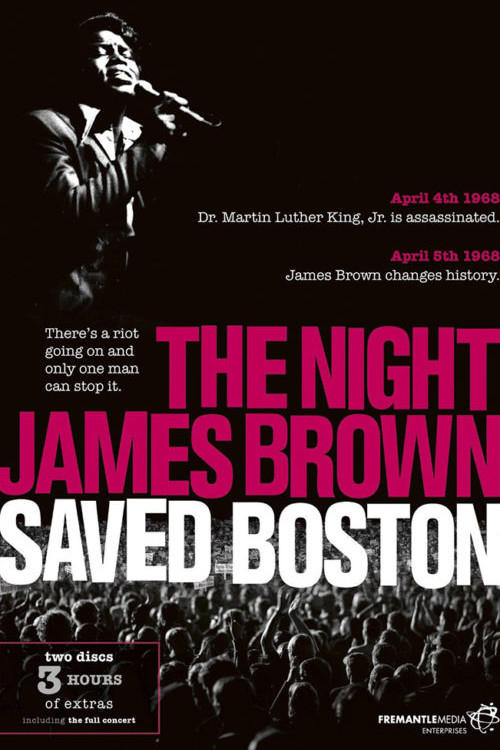
James Brown - The Night James Brown Saved Boston
2008
No user ratings available yet
Representation score: 3.9 out of 10
Representation Score
Limited
2010
TV-14Director
John Antonelli
Runtime
54 minutes
Average Rating
No ratings yetNew Showbiz Analysis
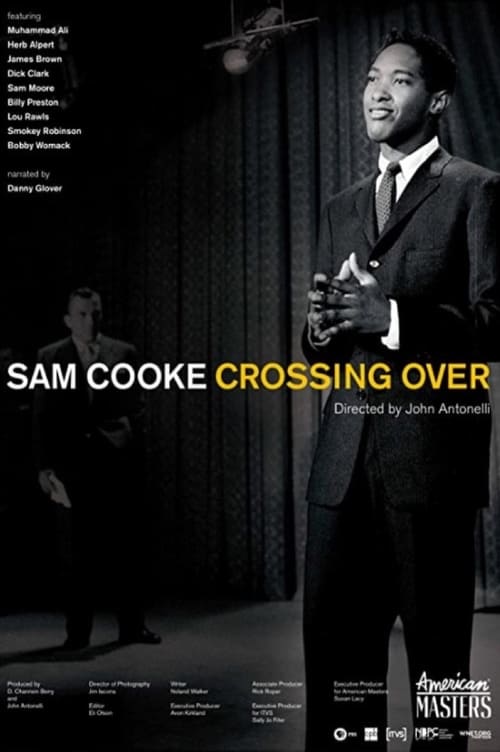
This documentary offers a powerful look at how Sam Cooke’s transition from gospel to soul music served as a catalyst for social change. It succeeds by focusing on Black excellence and documenting the challenges faced by Black performers during the Civil Rights era. However, the film is limited by its narrow biographical scope. It primarily focuses on male-dominated professional spheres, leaving little room for diverse gender perspectives or LGBTQ+ representation. Overall, the film stands as a crucial historical study of racial ability to act, elevating Cooke from a mere entertainer to a key figure in the evolution of American cultural integration.
Category Breakdown
The documentary focuses solely on Sam Cooke’s journey from gospel to soul music. There are no stories or references related to LGBTQ+ individuals or queer themes.
The film centers on the male-dominated music industry of the 1950s. It does not significantly highlight the roles or actions of women or challenge traditional gender roles.
The film excels in highlighting Black American history and the impact of Black artists. It showcases the ability to act of Black performers navigating the Jim Crow era through extensive archival footage.
The narrative explores the tension between sacred church traditions and the secular music industry. It portrays Black musical traditions as tools for social commentary and resistance against systemic oppression.
The film does not focus on visible or invisible disabilities within the historical context.
Present on Screen
Limited or Absent
Official Synopsis
In 1958, when Sam Cooke crossed over from gospel to popular music, he ran the risk of alienating his gospel fans by embracing "the devil's music." Instead, he set in motion a chain of events that altered the course of popular music and race relations in America.
2008
2018
2015
2005
1983
2015
2016
2012
No reviews yet. Be the first to share your thoughts on this movie!
Use the rating form above to leave a star rating and optional review.