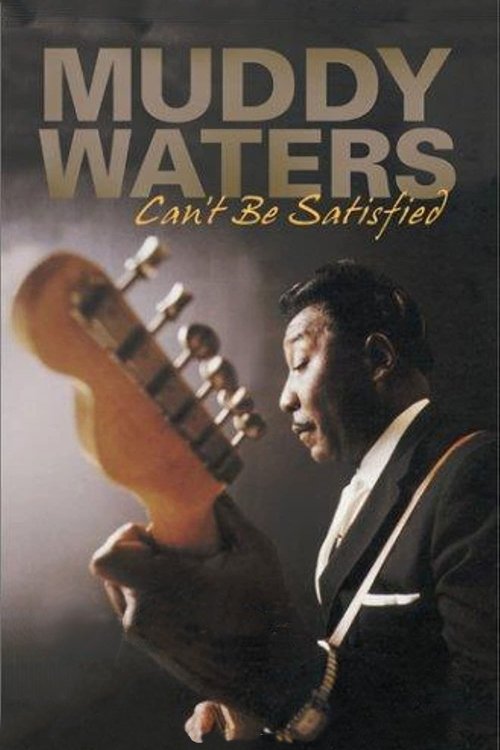
Muddy Waters: Can't Be Satisfied
2003
No user ratings available yet
Representation score: 3.9 out of 10
Representation Score
Limited
1987
PG-13Director
Taylor Hackford
Runtime
120 minutes
Average Rating
No ratings yetNew Showbiz Analysis
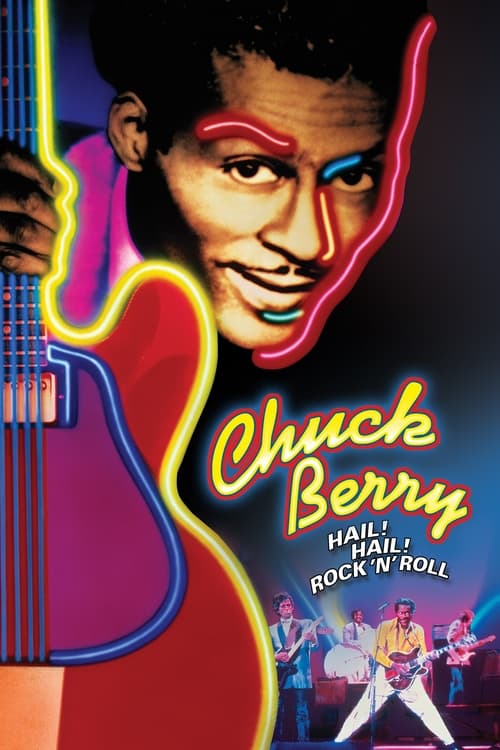
This documentary serves as a crucial historical reclaiming of Black musical contributions. By centering Chuck Berry and his collaborations, the film challenges the traditional erasure of Black creators in the rock 'n' roll canon. However, the film remains bound by the traditional hierarchies of its genre, with a heavy focus on male leadership and a lack of LGBTQ+ or disability narratives. Ultimately, the film's strength lies in its ability to showcase the integration of diverse musical talents, prioritizing artistic truth over rigid institutional structures.
Category Breakdown
The film celebrates the musical achievements of various artists but does not focus on LGBTQ+ identities or non-traditional gender expressions.
The story mainly centers around a male-dominated musical tradition. Although Etta James and Linda Ronstadt play important roles, the structure emphasizes traditional male leadership.
The film highlights the significance of Black artistry by focusing on Chuck Berry and his collaboration with Johnnie Johnson, challenging Anglo-centric rock narratives.
The documentary examines musical meritocracy, critiquing past segregation by showing the seamless integration of Black and white artists through shared musical language.
There are no visible or documented depictions of disability, neurodivergence, or chronic illness used as narrative devices in the film.
Present on Screen
Limited or Absent
Official Synopsis
St. Louis, 1986. For Chuck Berry's 60th, Keith Richards assembles a pickup band of Robert Cray, Joey Spampinato, Eric Clapton, himself and long-time Berry pianist, Johnnie Johnson. Joined on stage by Etta James, Linda Ronstadt and Julian Lennon, Berry performs his classic rock songs. His abilities as a composer, lyricist, singer, musician and entertainer are on display and, in behind-the-scenes interviews, are discussed by Bo Diddley, Little Richard, Jerry Lee Lewis, Bruce Springstein, the Everly Brothers, Roy Orbison and others. There's even a rarity for Berry—a rehearsal. Archival footage from the early 1950s and a duet with John Lennon round out this portrait of a master.
2003
1978
2007
2011

1973
2005

2015
2004
No reviews yet. Be the first to share your thoughts on this movie!
Use the rating form above to leave a star rating and optional review.