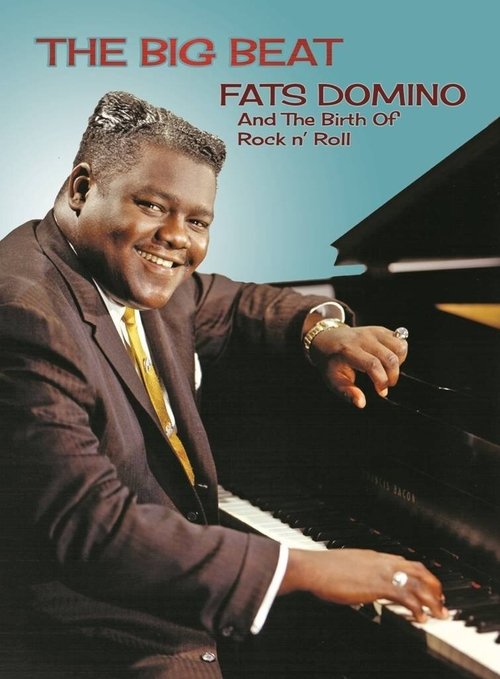
Fats Domino and The Birth of Rock ‘n’ Roll
2016
No user ratings available yet
Diversity score: 6.1 out of 10
2008
GDirector
David Leaf
Runtime
60 minutes
Average Rating
No ratings yetSynopsis
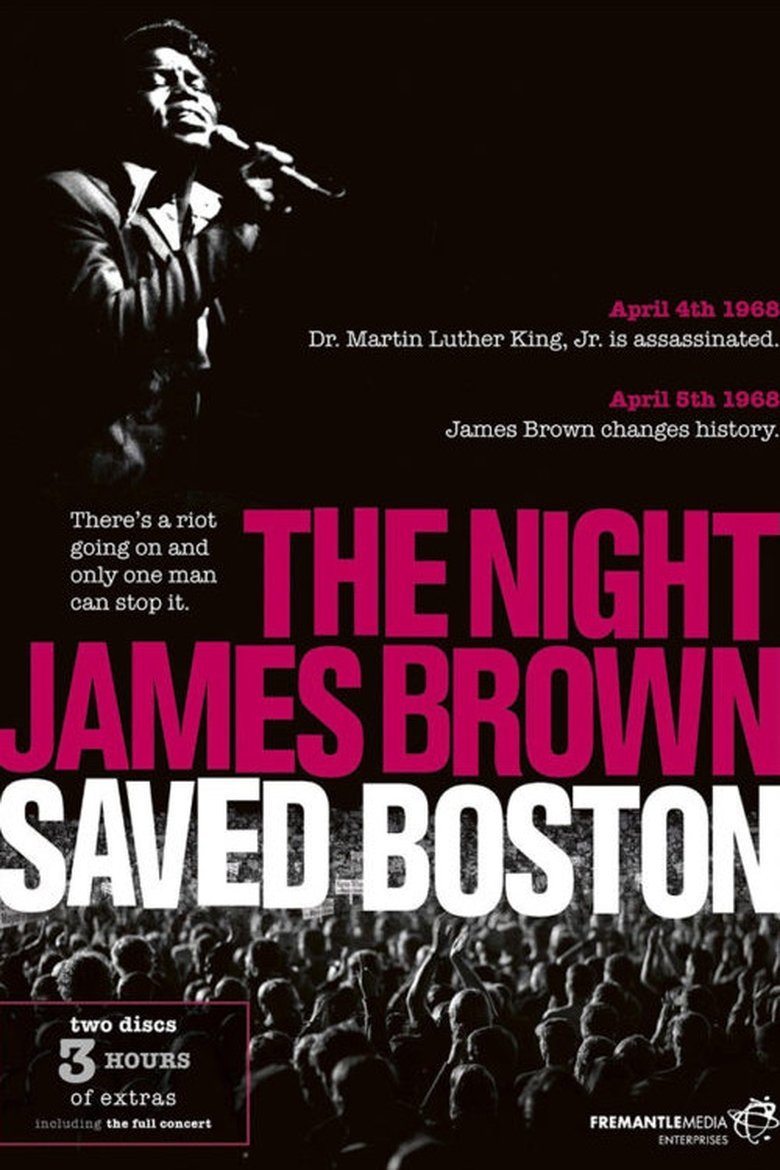
On April 5, 1968, soul legend James Brown performed a concert in Boston that many say shielded that city from the kinds of devastating riots that ripped other cities apart after the assassination of Martin Luther King, Jr.
Overall Score
Good
Category Breakdown
LGBTQ+ Representation
The documentary focuses strictly on the racial and sociopolitical tensions of 1968. There is no presence of LGBTQ+ characters or narratives within this historical scope.
Gender Representation
Leadership and agency are primarily attributed to James Brown. The narrative focus remains on the masculine-coded sphere of musical leadership and civil authority.
Racial & Ethnic Diversity
The film provides an exceptional exploration of the Black experience. It centers a Black icon as the primary agent of social stability, disrupting conventional historical tropes.
Religious & Cultural Diversity
The documentary engages deeply with the friction between marginalized communities and established Western institutions. It frames civil unrest as a response to systemic inequality.
Disability Representation
There are no specific depictions of visible or invisible disabilities that drive the narrative.
Strengths
Areas for Improvement
AI Analysis
The documentary excels by centering Black agency during a period of extreme systemic volatility. It successfully challenges traditional historical narratives by showing how a Black cultural icon can influence social history and mitigate civil unrest. However, the film is limited by the historical context of the 1960s. The narrative is heavily centered on masculine-coded leadership, which moderates the overall diversity score. While the film offers a sophisticated look at racial and cultural power dynamics, it lacks representation for LGBTQ+ identities and disability-driven narratives.
2016
2003
2002
2010
2000
2012

2018
2002
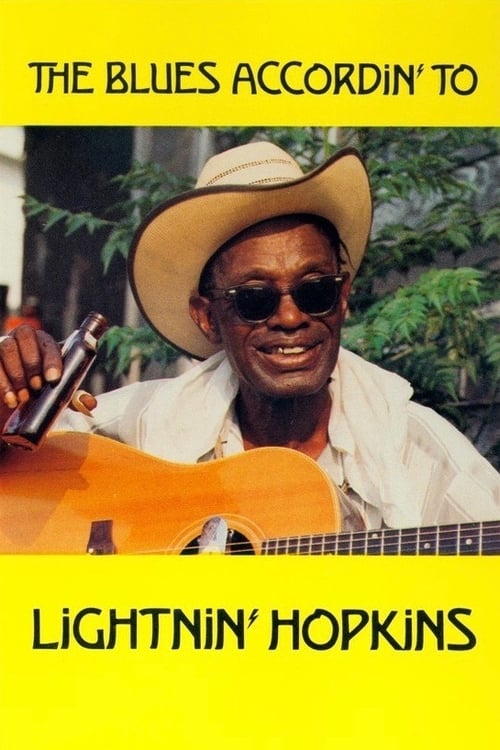
1968
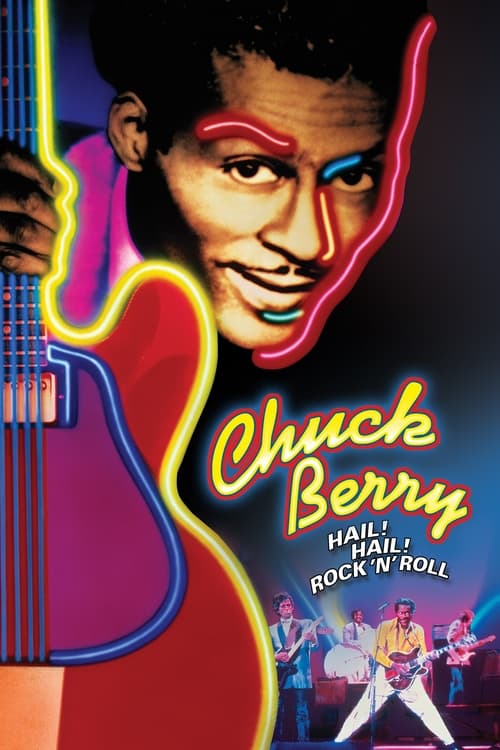
1987

1975

1964
No reviews yet. Be the first to share your thoughts on this movie!
Use the rating form above to leave a star rating and optional review.