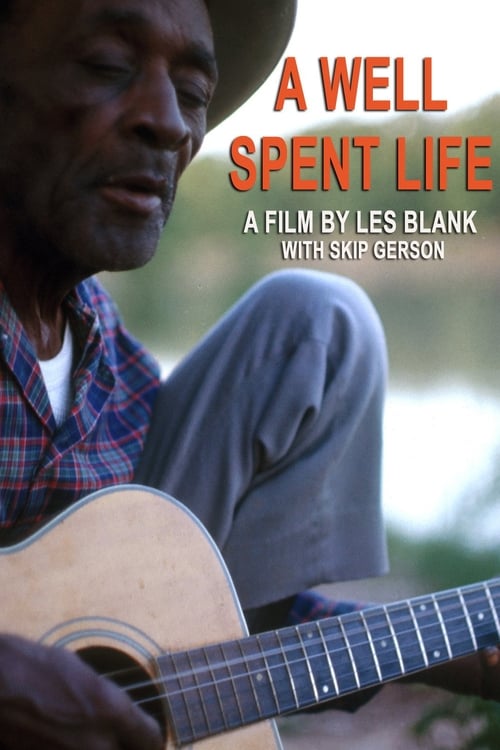
A Well Spent Life
1971
No user ratings available yet
Representation score: 4.8 out of 10
Representation Score
Limited
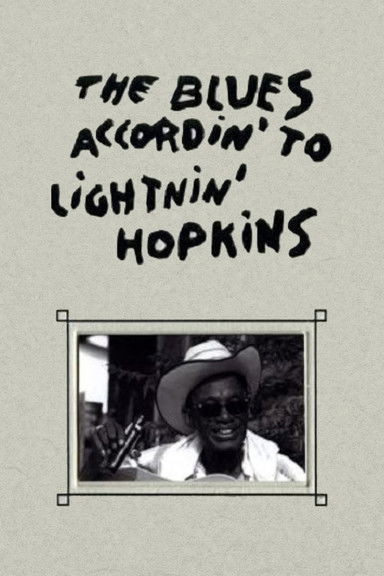
1968
Not RatedDirector
Les Blank, Skip Gerson
Runtime
31 minutes
Average Rating
No ratings yetNew Showbiz Analysis
This documentary functions as a crucial ethnographic study, focusing on the life of a Black musician named Lightnin' Hopkins. It captures his mastery within the context of mid-20th-century Southern America. However, the film lacks diversity in its representation. It centers almost entirely on a male character and does not explore LGBTQ+ identities or non-traditional gender roles. Overall, the film’s strength lies in its cultural preservation, offering an authentic glimpse into the life of a Black musical legend.
Category Breakdown
The film contains no LGBTQ+ characters or narratives. The focus remains exclusively on the musical performance and the protagonist's persona.
The film focuses primarily on a male character, reflecting the gendered landscape of blues music in the mid-20th century. It does not challenge traditional gender roles or provide a significant role in driving the story to female characters.
The film highlights Lightnin' Hopkins, a Black artist, giving him a prominent role. This helps to counteract historical trends that often sidelined Black musical innovators.
It provides a detailed look at the socioeconomic conditions of a traveling blues musician. The film emphasizes authenticity and rawness over polished presentations.
The film does not feature any characters with visible or invisible disabilities that play a central role in the narrative.
Present on Screen
Limited or Absent
Official Synopsis
A musical portrait of Texas bluesman 'Lightnin' Hopkins. The film includes interviews and a performance by Hopkins. Preserved by the Academy Film Archive in 2002.
1971
2018
1969
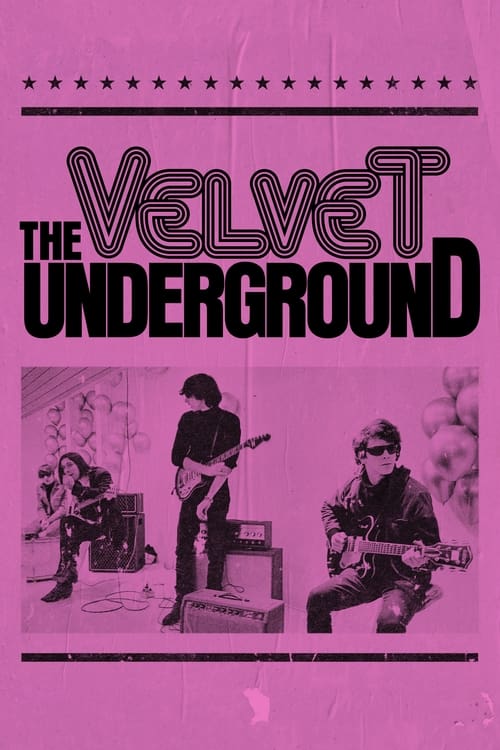
2021
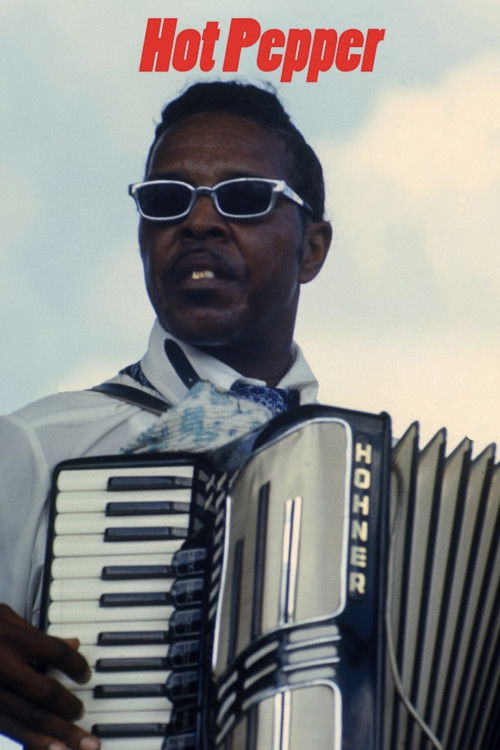
1973
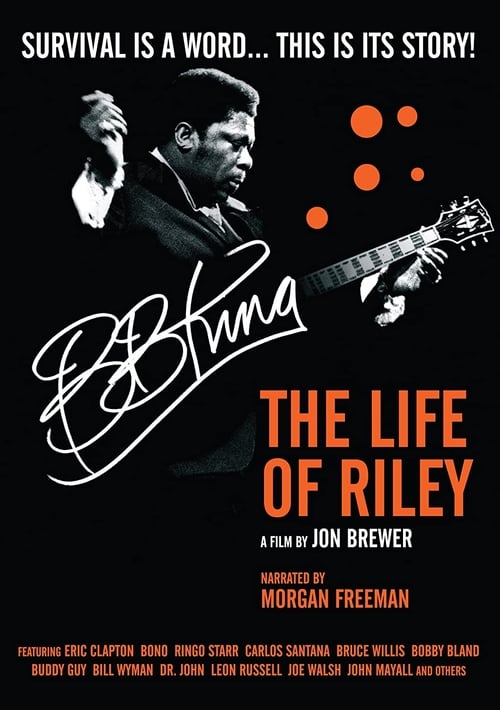
2012
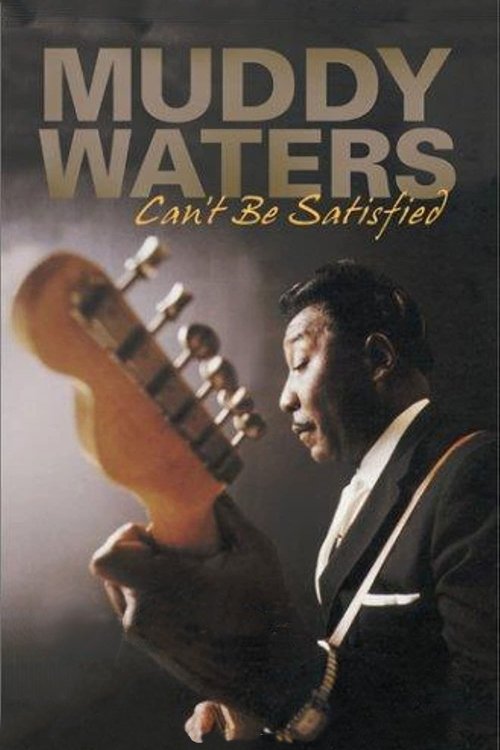
2003
1992
No reviews yet. Be the first to share your thoughts on this movie!
Use the rating form above to leave a star rating and optional review.