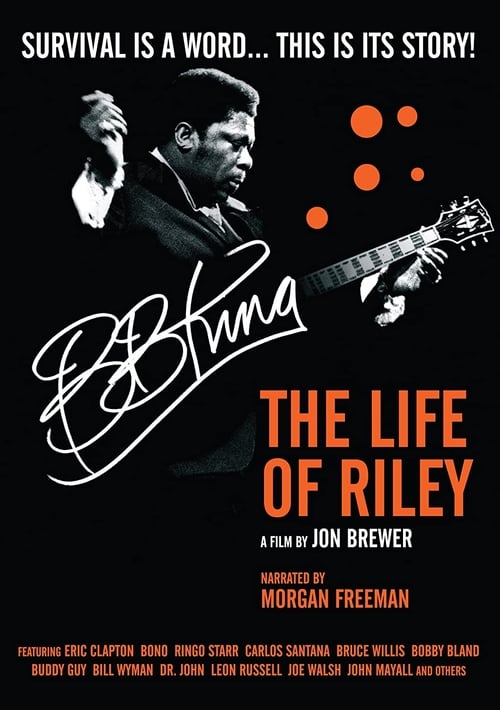
B.B. King: The Life of Riley
2012
No user ratings available yet
Representation score: 3.6 out of 10
Representation Score
Limited
2003
TV-14Director
Morgan Neville, Robert Gordon
Runtime
51 minutes
Average Rating
No ratings yetNew Showbiz Analysis
The documentary excels as a historical record of Black musical ability to act, effectively challenging Anglo-centric narratives by centering the Great Migration and the evolution of the blues. It provides deep cultural context regarding the socioeconomic pressures of the Jim Crow era. However, the film remains limited by its narrow focus on a male-dominated musical history. While it includes female voices, they do not drive the central narrative or subvert traditional gender hierarchies. Ultimately, the work is a vital piece of cultural preservation that prioritizes racial and cultural history over gender or LGBTQ+ representation.
Category Breakdown
The film focuses exclusively on the professional and cultural journey of the blues. There are no documented LGBTQ+ characters or stories addressing non-cisgender identities.
The documentary centers on the male-dominated history of electric blues. While female contributors such as Bonnie Raitt appear, women remain largely contextual rather than central to the plot.
This film provides a profound exploration of African American ability to act. It highlights the creative depth of Black musicians navigating systemic barriers to redefine global music history.
The narrative depicts the blues as a response to oppressive social and economic environments. It examines the tension between underrepresented identities and mid-20th-century systemic inequality.
There is no significant focus on visible or invisible disabilities. The film does not utilize disability as a central thematic element or plot device.
Present on Screen
Limited or Absent
Official Synopsis
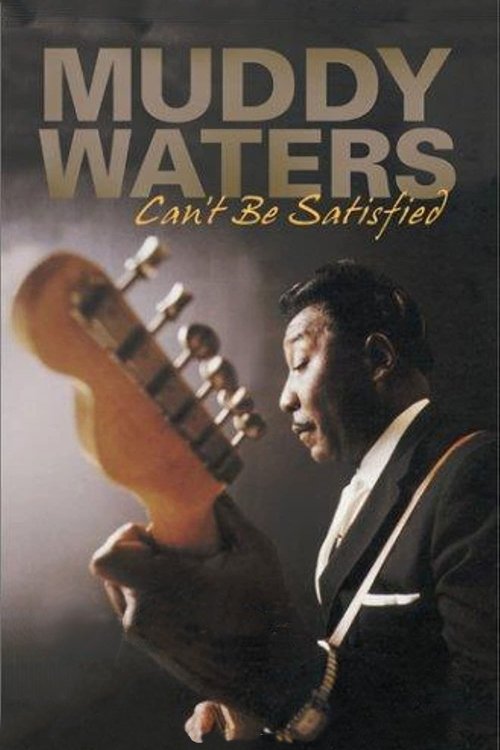
Filmmaker Robert Gordon captures the life of fascinating blues artist Muddy Waters. Credited with inventing the electric blues, Waters left an indelible mark on both his contemporaries and the generations of musicians that followed him. This documentary includes numerous film clips and interviews with big-name musicians, such as Bonnie Raitt, the Rolling Stones's Keith Richards and blues man Buddy Guy.
2012
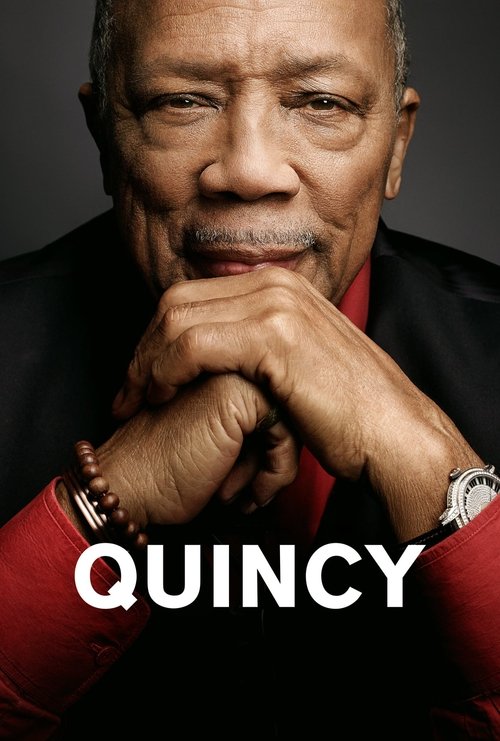
2018
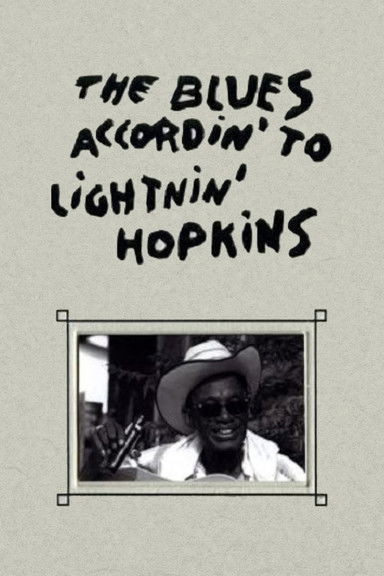
1968
2021
1992
1987
2016
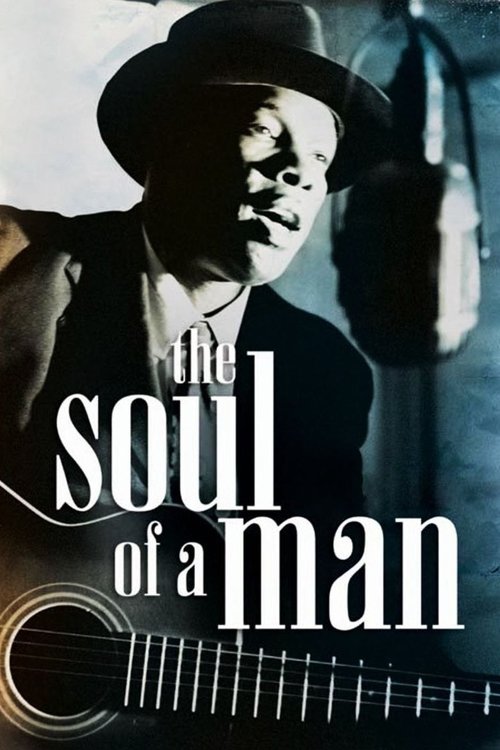
2003
No reviews yet. Be the first to share your thoughts on this movie!
Use the rating form above to leave a star rating and optional review.