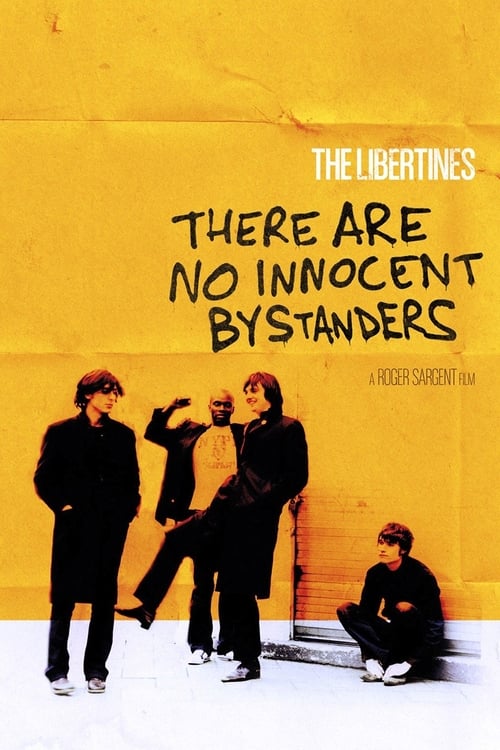
The Libertines: There Are No Innocent Bystanders
2011
No user ratings available yet
Representation score: 6.2 out of 10
Representation Score
Fair
2012
NRDirector
Brett Morgen
Runtime
111 minutes
Average Rating
No ratings yetNew Showbiz Analysis
The film offers a thorough historical examination of systemic friction and power dynamics. It effectively uses archival evidence to challenge the perceived stability of Western institutions and state authority. While it provides a sophisticated look at racial justice and the intersection of identity and state power, it lacks focus on LGBTQ+ or gender-challenging narratives. The portrayal of women remains tied to historical structures rather than subverting them.
Category Breakdown
The film does not focus on LGBTQ+ themes or non-binary gender identities. It lacks specific narratives or critiques related to the assumption that everyone is straight or cisgender.
The film portrays the 1960s emphasis on male leadership and the participation of women within existing social hierarchies. Women play roles that reflect the era’s traditional structures rather than challenging them.
The documentary highlights the ability to act of Black American activists like Martin Luther King Jr. and Malcolm X. It delves deeply into systemic racial oppression.
The film challenges Western institutional authority by documenting FBI surveillance of social movements. It critiques mid-century patriotism through its depiction of state control.
There is no significant portrayal of visible or invisible disabilities within the film.
Present on Screen
Limited or Absent
Official Synopsis
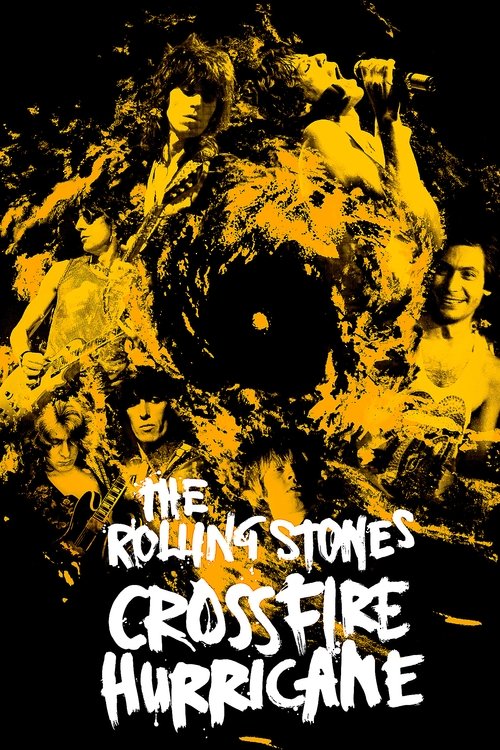
This film is released as part of the ongoing 50th anniversary celebration of the Rolling Stones. It tells the story of the Stones' unparalleled journey from blues obsessed teens in the early 60s to their undisputed status as rock royalty. All of the Stones have been newly interviewed and their words form the narrative arc that links together archive footage of performances, news coverage, and interviews, much of it previously unseen. Taking its title from a lyric in "Jumpin' Jack Flash," this film gives the viewer an intimate insight into exactly what it's like to be part of the Rolling Stones as they overcome denunciation, drugs, dissensions, and death to become the definitive survivors. Over a year in the making and produced with the full cooperation and involvement of the Stones, this film is and will remain the definitive story of the world's greatest rock 'n' roll band
2011

2021
2004

2010

2015

2016
2019

2005
No reviews yet. Be the first to share your thoughts on this movie!
Use the rating form above to leave a star rating and optional review.