Hitsville: The Making of Motown
2019
No user ratings available yet
Representation score: 5.6 out of 10
Representation Score
Limited
2002
PGDirector
Paul Justman
Runtime
116 minutes
Average Rating
No ratings yetNew Showbiz Analysis
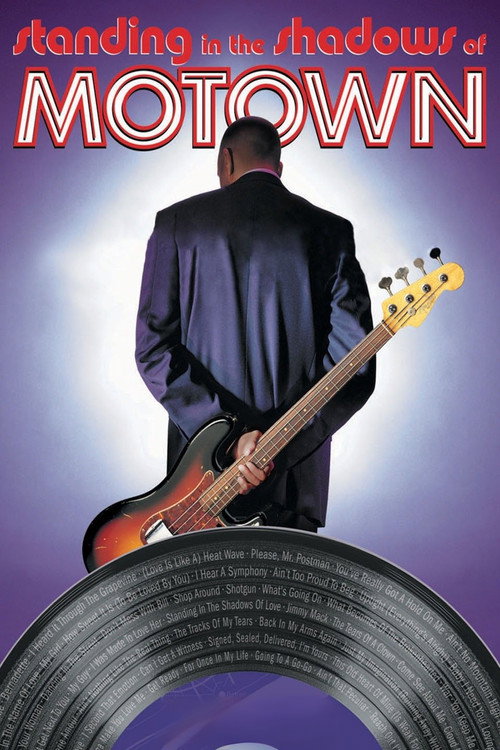
Standing in the Shadows of Motown is a historical project that shifts focus from pop icons to the uncredited instrumentalists. It successfully reclaims Black ability to act by highlighting the Funk Brothers as the sonic foundation of a global empire. However, the film remains tied to the traditional gendered divisions of the era, framing women as commodities rather than active agents. Additionally, it lacks LGBTQ+ representation. Despite these limitations, the documentary is strong in its engagement with racial identity and its critique of systemic inequity, making it a powerful piece of historical revisionism.
Category Breakdown
The film does not include any LGBTQ+ characters or narratives. It focuses solely on the professional history of the Funk Brothers.
The narrative centers on a male-dominated professional sphere. Female vocalists are featured but are portrayed as visible commodities rather than active participants in the music production process.
The documentary excels by centering the African American experience. It offers a nuanced exploration of Black excellence and challenges Eurocentric narratives of music history.
The film critiques capitalist structures within the music industry. It highlights the tension between Motown's financial success and the systemic denial of royalties to its musicians.
There is no significant focus on visible or invisible disabilities within the film's historical or contemporary segments.
Present on Screen
Limited or Absent
Official Synopsis
In 1959, Berry Gordy Jr. gathered the best musicians from Detroit's thriving jazz and blues scene to begin cutting songs for his new record company. Over a fourteen year period they were the heartbeat on every hit from Motown's Detroit era. By the end of their phenomenal run, this unheralded group of musicians had played on more number ones hits than the Beach Boys, the Rolling Stones, Elvis and the Beatles combined - which makes them the greatest hit machine in the history of popular music. They called themselves the Funk Brothers. Forty-one years after they played their first note on a Motown record and three decades since they were all together, the Funk Brothers reunited back in Detroit to play their music and tell their unforgettable story, with the help of archival footage, still photos, narration, interviews, re-creation scenes, 20 Motown master tracks, and twelve new live performances of Motown classics with the Brothers backing up contemporary performers.
2019
2021
1987
2018

2000
2021
2017
2023
No reviews yet. Be the first to share your thoughts on this movie!
Use the rating form above to leave a star rating and optional review.