
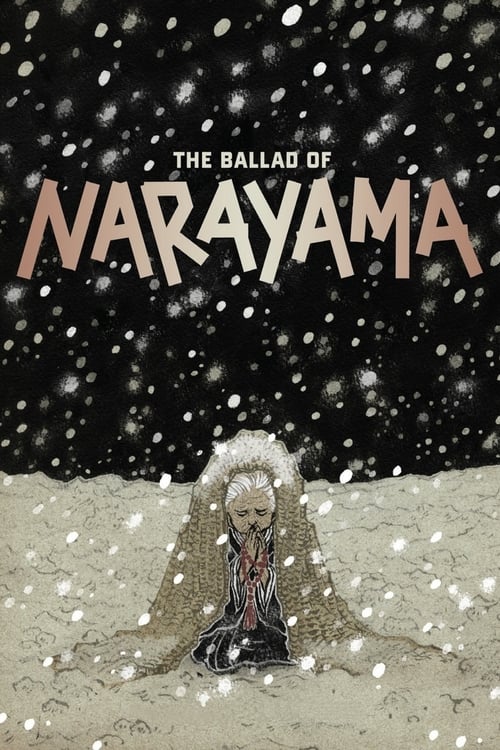
The Ballad of Narayama
1983
No user ratings available yet
Representation score: 6.4 out of 10
Representation Score
Good
1999
Director
Kaneto Shindō
Runtime
119 minutes
Average Rating
No ratings yetNew Showbiz Analysis
Kaneto Shindō’s film is a sophisticated piece of social realism. Instead of relying on diverse demographics, it achieves progressive value by questioning traditional social hierarchies and examining the impact of modern institutions on ancient cultural practices. The film’s strength lies in its critical examination of traditional family roles through a modern existential lens. It goes beyond simple representation to offer a nuanced critique of societal structures. However, the film remains culturally homogeneous and lacks specific representation of LGBTQ+ or neurodivergent characters.
Category Breakdown
The film does not include explicit LGBTQ+ characters or explore non-cisgender identities. It focuses on the traditional family structure and the challenges of caring for elderly relatives.
The story highlights the emotional labor typically associated with female characters in domestic dramas. It explores how women navigate the balance between family duties and personal freedom.
As a Japanese production, the film features a culturally homogeneous cast. It provides an authentic look into Japanese social dynamics without emphasizing multiculturalism.
The film contrasts ancient rituals with modern institutional practices, highlighting the tension between traditional communal values and contemporary secular systems.
The narrative addresses the challenges of aging and cognitive changes. It examines how individuals cope with physical decline and the complexities of later life.
Present on Screen
Limited or Absent
Official Synopsis
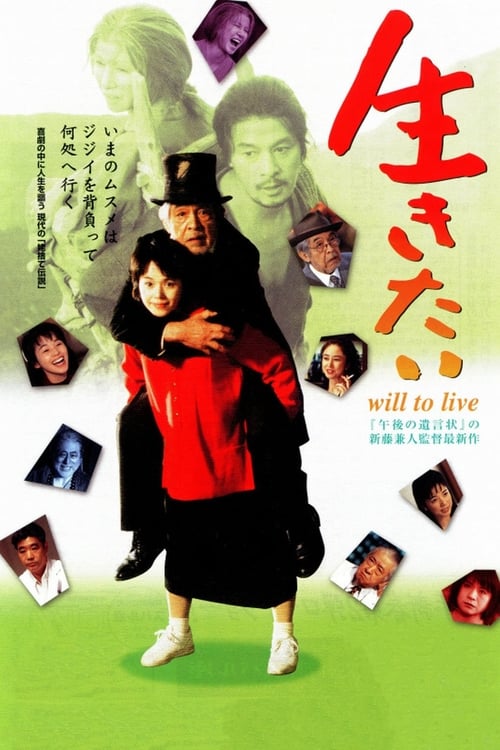
It is based on the story of The Ballad of Narayama updated to the present day, with the substitution of putting a parent into an old people's home for the abandonment of the original. The film won the Golden St. George and the FIPRESCI Prize at the 21st Moscow International Film Festival.
1983
1962
1963
1958
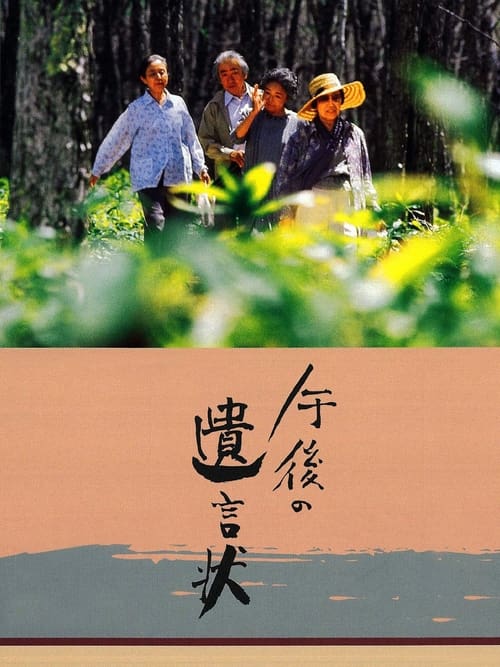
1995
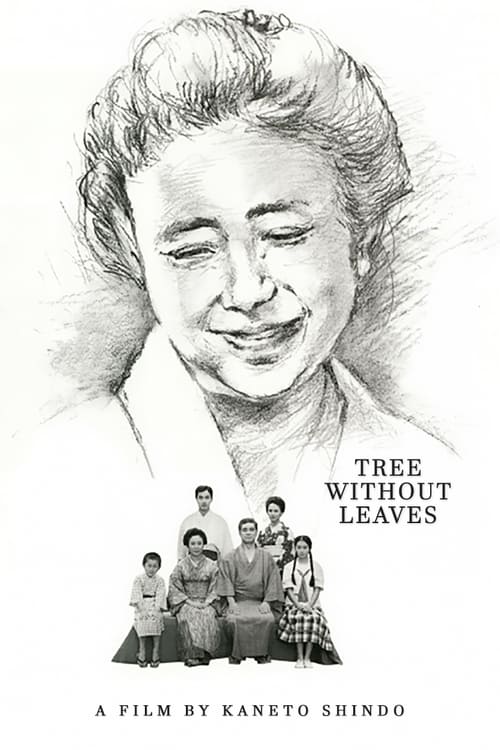
1986

2010
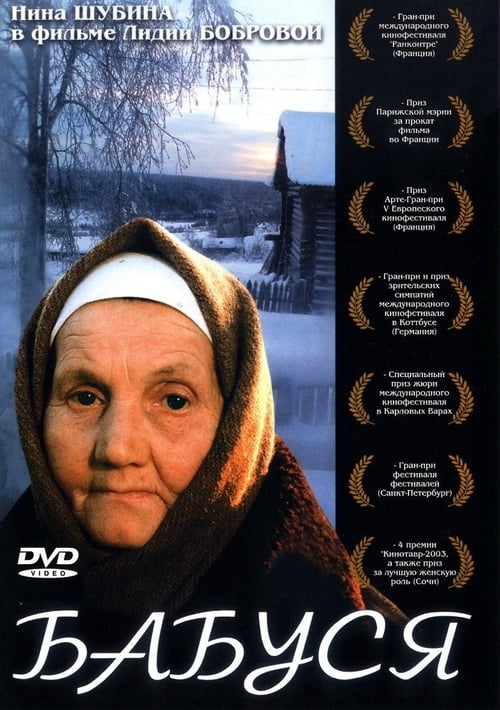
2004
No reviews yet. Be the first to share your thoughts on this movie!
Use the rating form above to leave a star rating and optional review.