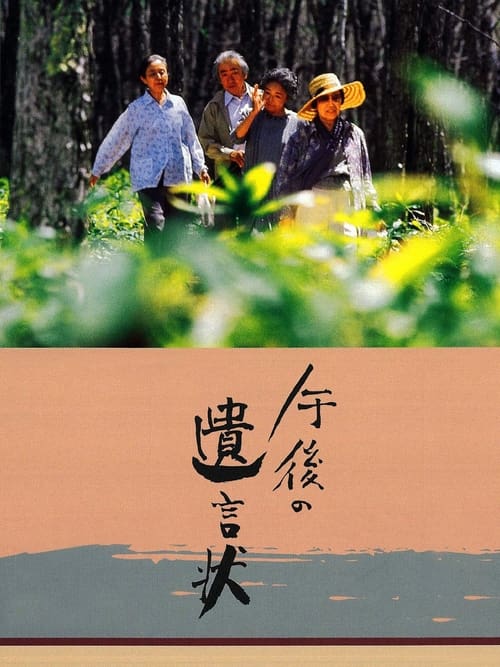
A Last Note
1995
No user ratings available yet
Representation score: 4.7 out of 10
Representation Score
Fair
1986
Director
Kaneto Shindō
Runtime
105 minutes
Average Rating
No ratings yetNew Showbiz Analysis
Kaneto Shindō’s drama is a character study grounded in social realism, focusing on an aging writer’s effort to document his family history. The film steers clear of explicit identity politics while delving into the complexities of individual ability to act versus rigid social structures. While the film lacks diverse representation, it excels in its intricate narrative structure. It challenges conventional moral certainties by examining the tension between human nature and communal rules. Ultimately, the work offers a nuanced look at history and isolation. It highlights the individual’s struggle against the weight of tradition rather than offering straightforward moral solutions.
Category Breakdown
The film centers on an aging scriptwriter and his family history. There are no non-binary or LGBTQ+ identities or intimate relationships involving same-sex couples.
The story looks at the interactions between men and women in a rural area. It follows social realism without showing women challenging masculine authority.
The cast is made up of people from similar cultural backgrounds, reflecting the historical context of a rural Nagano village. This provides a genuine portrayal of a specific regional identity.
The narrative explores the conflict between personal instincts and community obligations. It questions traditional authority by emphasizing personal morality over societal laws.
There are no physical or neurological disabilities that play a central role in the characters' stories or the main plot.
Present on Screen
Limited or Absent
Official Synopsis
Haru, an aging scriptwriter, has isolated himself somewhere in the woods of Nagano to work on his first novel. As the last surviving member of his kin, he intends to chronicle the family he grew up in.
1995

1960
2007
1961
1968
1997
2002
1997
No reviews yet. Be the first to share your thoughts on this movie!
Use the rating form above to leave a star rating and optional review.