You are here:

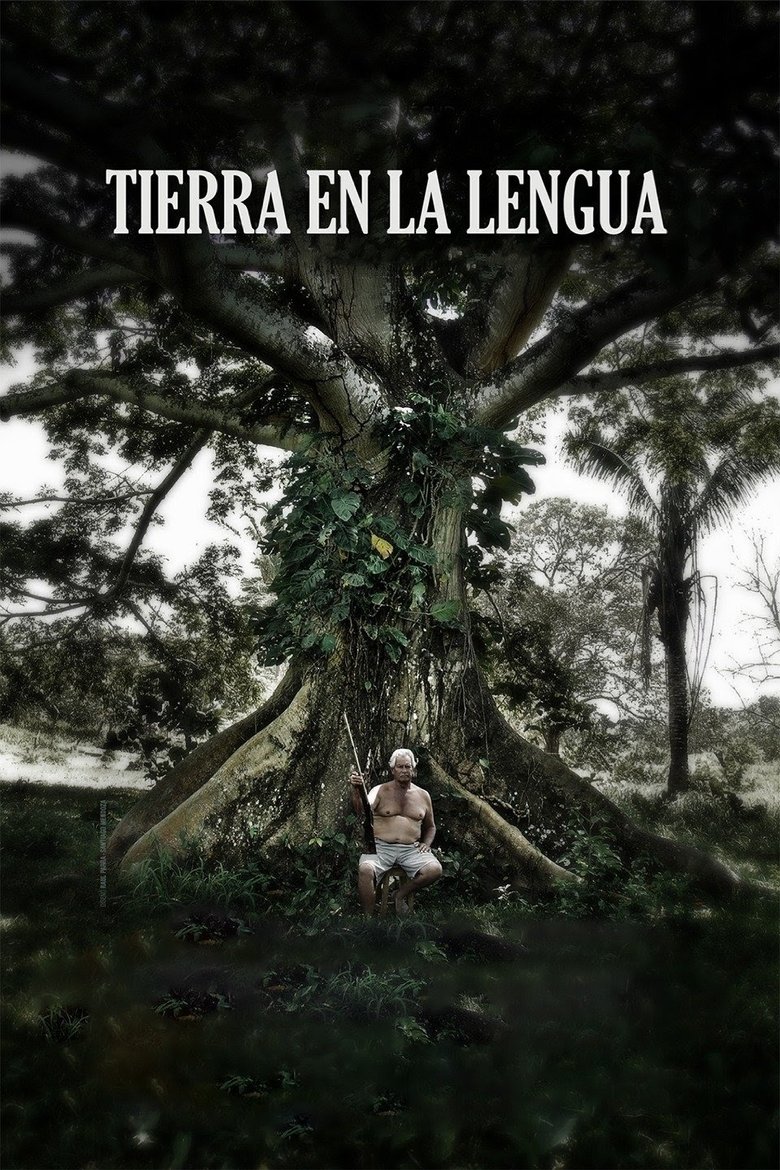
Dust on the Tongue

Dust on the Tongue

Representation Score

8.1/10

Excellent

2014

Director

Rubén Mendoza

Runtime

89 minutes

Average Rating

No ratings yet

New Showbiz Analysis

Dust on the Tongue is a character-driven drama that challenges traditional roles. By putting the power of life and death in the hands of children, it upends the typical role of elders as moral leaders. The film moves away from strict social or religious rules, favoring a more nuanced, personalized understanding of truth. It replaces traditional narratives with a focus on the next generation's actions. While the film excels at overturning cultural expectations about family authority, it remains neutral on specific identity-based themes like LGBTQ+ or disability.

Watch this, not that →

Category Breakdown

Does Dust on the Tongue have LGBTQ+ representation?

Fair

The film does not explicitly show queer identities or dynamics that go beyond the assumption that everyone is straight. The story focuses on biological families and immediate relatives.

How does Dust on the Tongue portray gender?

Fair

The story challenges traditional male dominance by showing the grandfather in a vulnerable state. This portrayal removes the grandfather from his usual role as a protector.

How racially and ethnically diverse is Dust on the Tongue?

Good

The film operates in a non-Anglo-Saxon setting, focusing on bloodlines and ancestral ties. This highlights non-Western views on family and mortality.

How does Dust on the Tongue represent religion and culture?

Good

The film questions traditional Western ideas about the sanctity of life. It emphasizes individual choice and personal morality over established religious norms and respect for elders.

Does Dust on the Tongue include disability representation?

Fair

The grandfather's later stages imply physical or cognitive decline. However, it is unclear whether this decline is explored deeply or used merely as a plot device.

Present on Screen

  • Challenges traditional male dominance by showing the elder in a vulnerable state.
  • Questions Western views on the sanctity of life and respect for elders.
  • Highlights non-Western perspectives on ancestral connection and mortality.

Limited or Absent

  • Does not explicitly represent queer identities or dynamics beyond assuming everyone is straight.
  • Ambiguity in whether the physical or cognitive decline of the grandfather is explored deeply or used as a plot device.
  • Neutral stance on specific identity-based themes like LGBTQ+ or disability.

Official Synopsis

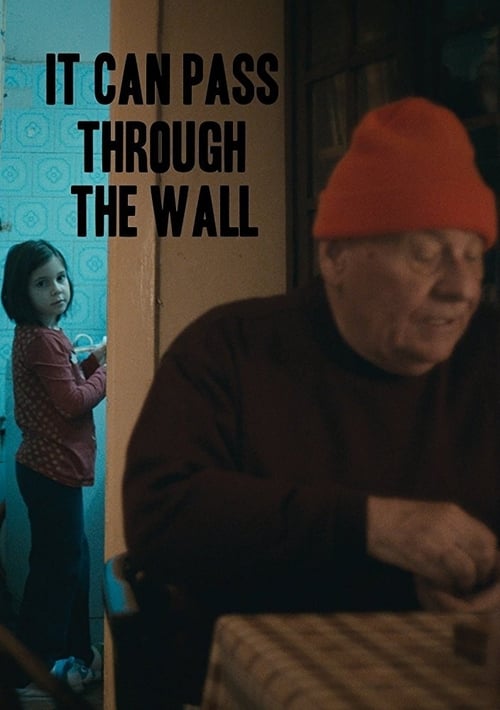
A grandfather, in the final stage of his existence, asks two of his grandchildren to kill him because he wants to die by the hand of someone who bears his own blood. However, the young children discover a truth that will make them take the opposite decision.

How are these scores produced? →

Where to Watch

Rate this Movie

No rating selected
Use arrow keys to select a rating from 1 to 5 stars
Optional text review, maximum 2000 characters
Tip: Wrap spoilers with ||double pipes|| to hide them
0/2000 characters
You must be signed in to submit a rating

Reviews

No reviews yet. Be the first to share your thoughts on this movie!

Use the rating form above to leave a star rating and optional review.