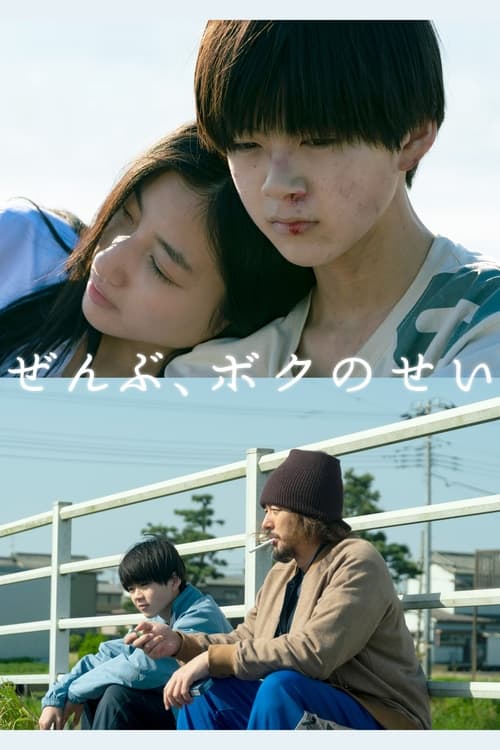
All Because of Me
2022
No user ratings available yet
Representation score: 8.0 out of 10

Representation Score
Excellent
2022
Director
Koji Fukada
Runtime
123 minutes
Average Rating
No ratings yetNew Showbiz Analysis
Koji Fukada’s *Love Life* succeeds by using its characters to critique the performative nature of modern social structures. The film’s most profound impact comes from its sophisticated handling of disability and the disruption of domestic normalcy. By centering the narrative on Park, a deaf man, the film avoids common clichés of pity. Instead, his presence serves as a catalyst for the protagonist's psychological evolution and a challenge to her established reality. While the film remains largely focused on a traditional domestic framework, it effectively uses socioeconomic and cultural friction to explore themes of alienation and survival within a rigid social hierarchy.
Category Breakdown
The film does not explicitly include LGBTQ+ identities or non-traditional gender narratives. Characters explore the performance of intimacy, but there are no specific queer subtexts or non-straight relationships.
Taeko's significant role challenges traditional domestic roles through her emotional labor and engagement with underrepresented individuals. The story highlights the tension between professional expectations and personal autonomy.
The cast is primarily Japanese, reflecting the setting. The inclusion of Park introduces socioeconomic and potential ethnic differences, disrupting the homogeneity of the domestic life.
The narrative critiques traditional institutions, showing family and capitalist structures as sources of alienation. It prioritizes individual psychological truth over institutional stability.
Park, a deaf and homeless man, is central to the film's emotional development. He is given a significant role in driving the story rather than being used merely as a plot device.
Present on Screen
Limited or Absent
Official Synopsis
Taeko and her husband, Jirō, are living a peaceful existence with her young son, Keita, when a tragic accident brings the boy's long-lost father, Park, back into her life. To cope with the pain and guilt, Taeko throws herself into helping this deaf and homeless man.
2022
2020

2024

1995
1999

2022

2014

2016
No reviews yet. Be the first to share your thoughts on this movie!
Use the rating form above to leave a star rating and optional review.