Mourning Recipe
2013
No user ratings available yet
Representation score: 4.8 out of 10
Representation Score
Good
2024
Director
Tzu-Hui Peng, Ping-Wen Wang
Runtime
90 minutes
Average Rating
No ratings yetNew Showbiz Analysis
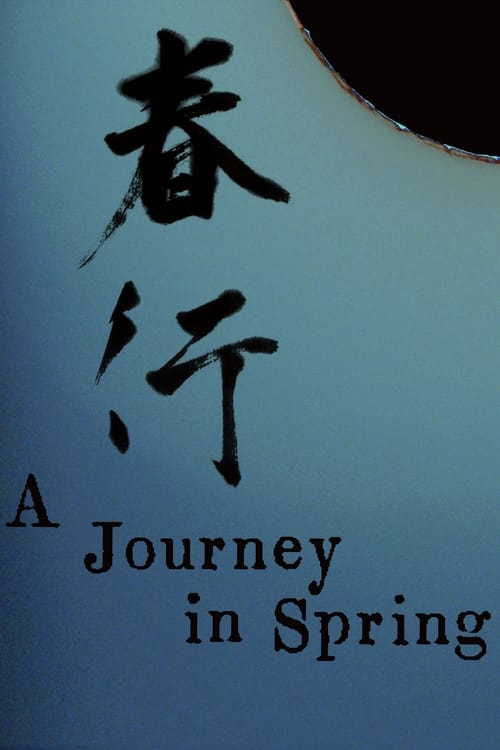
A Journey in Spring offers a nuanced deconstruction of traditional domesticity and familial stability. By centering a protagonist defined by dependency rather than strength, the film avoids conservative clichés of the masculine provider. The narrative uses unconventional mourning practices to challenge social and religious conformity. This creates a psychological study of loss that prioritizes individual truth over standard funerary rites. While the film excels in cultural specificity and subverting gender archetypes, it remains neutral regarding LGBTQ+ identities. The focus stays firmly on the breakdown of traditional social institutions.
Category Breakdown
The story focuses on a heterosexual marriage and a family reunion. The son's new partner is mentioned, but their identity is not clearly defined. The film avoids romantic clichés by emphasizing grief.
Khim-Hok challenges the traditional patriarch archetype through his physical vulnerability and dependence on his wife. The narrative shifts focus to the deceased female figure, who drives the plot.
Set on the outskirts of Taipei, the film provides a localized, non-Western perspective. This setting offers a specific cultural lens that moves away from Anglo-centric storytelling norms.
The film challenges Western ideas of funerary dignity through the protagonist's unconventional preservation of his wife. It also critiques the nuclear family by presenting it as a source of tension.
The protagonist's limp is a visible part of his character identity. It is integrated into the narrative without mockery, though its role in his personal ability to act is not fully explored.
Present on Screen
Limited or Absent
Official Synopsis
An old man with a limp, Khim-Hok, has depended on his wife over the years. They live in an old house on the urban fringe of Taipei. After his wife suddenly passes away, Khim-Hok puts her into an old freezer and goes on living a seemingly peaceful life. But their long-estranged son and his new partner suddenly appears, so Khim-Hok has to face his wife's death when the end finally comes.
2013

1983

2024

2021

2016

2018

2021
2022
No reviews yet. Be the first to share your thoughts on this movie!
Use the rating form above to leave a star rating and optional review.