
Taipei Suicide Story
2020
No user ratings available yet
Representation score: 8.3 out of 10
Representation Score
Good
2005
Director
Kei Horie
Runtime
103 minutes
Average Rating
No ratings yetNew Showbiz Analysis
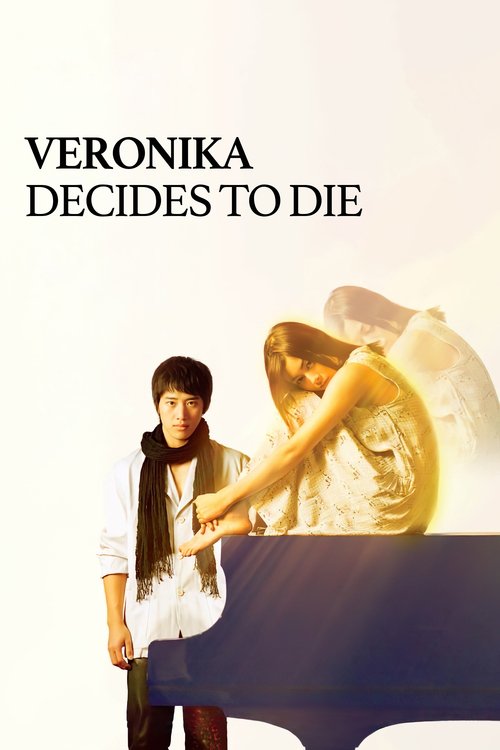
Veronika Decides to Die is an existentialist drama that disrupts conventional narratives of social conformity and wellness. By focusing on a protagonist in a sanatorium, the film challenges standard societal norms. The inclusion of Kuroda, a character with a speech disability, offers meaningful representation that avoids common clichés. His role fosters a deep emotional connection rather than serving merely as an object of pity. However, the film remains somewhat confined by its reliance on traditional relational structures and a lack of explicit exploration of diverse identities.
Category Breakdown
The film centers on the relationship between Towa and Kuroda but does not explicitly explore specific LGBTQ+ identities or non-traditional romantic pairings.
Towa, a female protagonist, navigates an existential crisis with significant personal ability to act. However, the central relationship adheres to a traditional romantic structure, limiting broader gender exploration.
As a Japanese production, the film features a predominantly Japanese cast and operates within its cultural context without actively incorporating multicultural elements.
The story deconstructs traditional views of life and productivity through a secular existentialist perspective, finding meaning in individual connections rather than religious or state institutions.
Kuroda, a man who has lost his ability to speak, serves as a catalyst for the protagonist's emotional growth. His disability is portrayed as a source of empathy and connection.
Present on Screen
Limited or Absent
Official Synopsis
Towa lives in a peculiar sanatorium after committing suicide. Convalescing in sanatorium, she is informed that she has only 7 days to live. Isolated within their worlds, strange people live in this sanatorium and try to avoid making any contact with her. However, Kuroda a man who lost his power of speech feels sympathetic towards her and their every lovable things give true colors to the life and inspire Towa’s honest desire for the life…
2020

2005

2010
2009

2010

2009

1997

2024
No reviews yet. Be the first to share your thoughts on this movie!
Use the rating form above to leave a star rating and optional review.