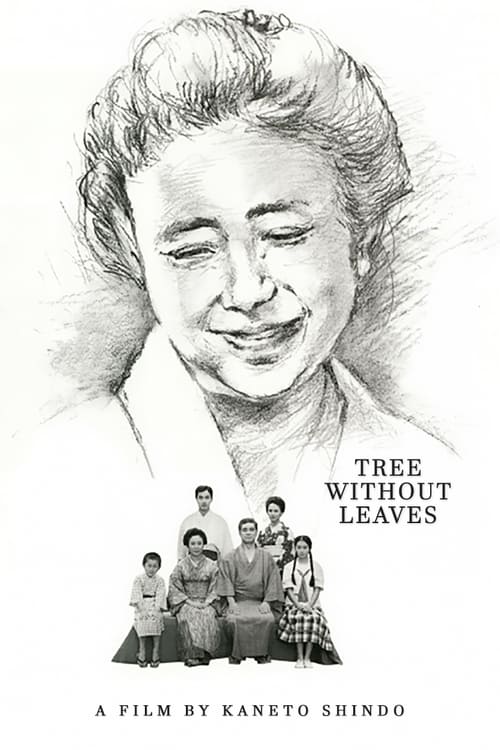
Tree Without Leaves
1986
No user ratings available yet
Representation score: 4.2 out of 10
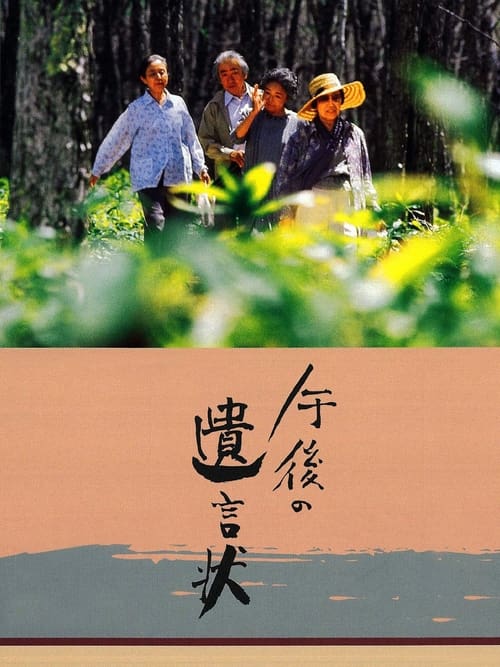
Representation Score
Fair
1995
Director
Kaneto Shindō
Runtime
110 minutes
Average Rating
No ratings yetNew Showbiz Analysis
Kaneto Shindō’s direction provides a character-driven exploration of memory and legacy. The film succeeds in centering a female protagonist, allowing her to navigate solitude and history on her own terms rather than as a secondary character. However, the film lacks overt characters who reflect more than one aspect of diversity. It operates within a culturally homogeneous framework and does not feature explicit LGBTQ+ identities or disability narratives. Ultimately, the work is a study of individual subjectivity. It trades broad social diversity for a deep, localized look at the human condition and the complexities of a life lived.
Category Breakdown
The film focuses on the introspective experiences of a widow and her social circle. There are no explicit queer narratives or non-straight identities within the story.
The narrative centers on a retired actress navigating life after her husband's death. This focus on her internal life and actions challenges traditional patriarchal storytelling by prioritizing her perspective.
As a Japanese production, the film maintains a culturally specific and homogeneous cast. It offers a localized perspective on aging rather than the diverse casting seen in modern Western media.
The film explores death and memory through a tapestry of varied life experiences. This approach suggests a focus on personal truth rather than strict adherence to religious or institutional dogma.
The narrative provides no specific mention of characters navigating physical, sensory, or neurodivergent disabilities.
Present on Screen
Limited or Absent
Official Synopsis
A retired actress whose husband has recently died visits her summer home. There she has encounters with old friends and acquaintances who bring various stories and news of death and the past
1986
1961

2020
1991
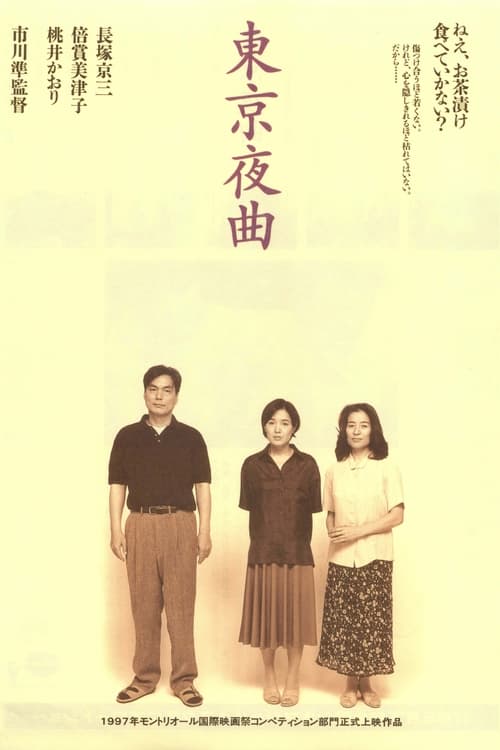
1997
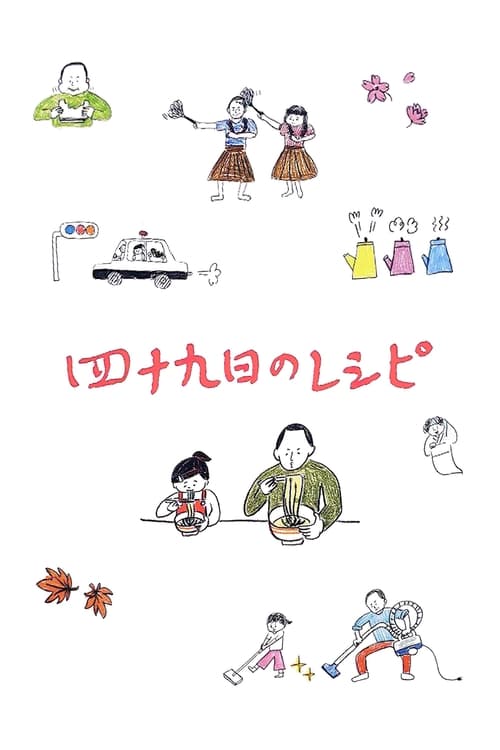
2013
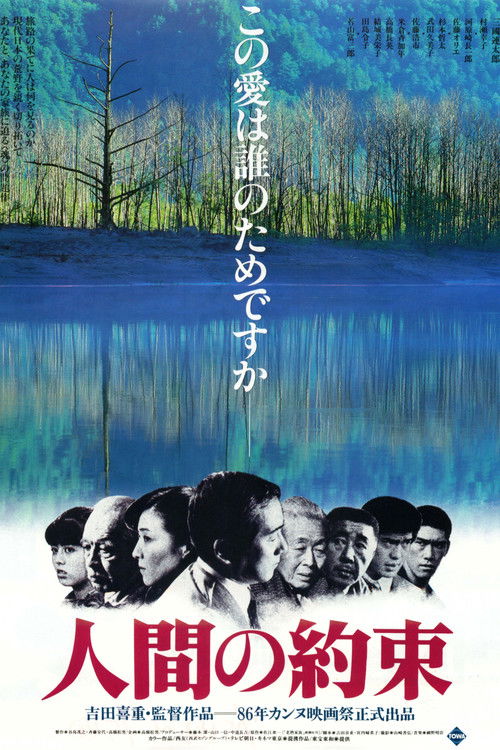
1986

2018
No reviews yet. Be the first to share your thoughts on this movie!
Use the rating form above to leave a star rating and optional review.