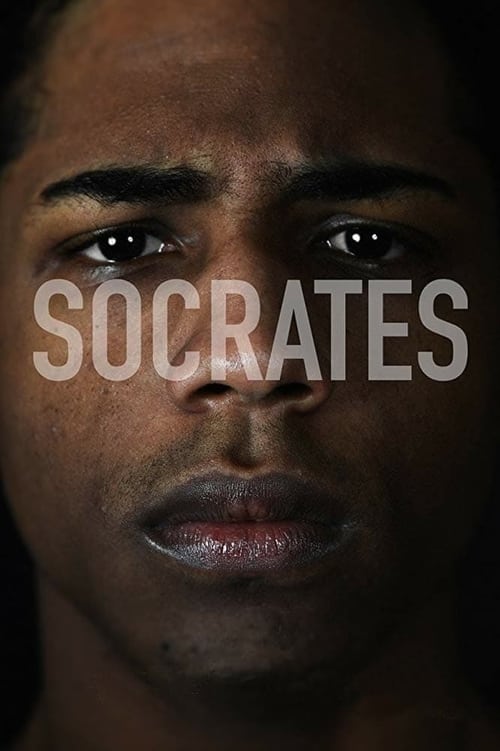
Socrates
2018
No user ratings available yet
Representation score: 6.3 out of 10

Representation Score
Good
2015
Director
João Salaviza
Runtime
91 minutes
Average Rating
No ratings yetNew Showbiz Analysis
Montanha is a film that explores the impact of economic instability on families. It portrays how systemic issues force young people into adult responsibilities prematurely. The film effectively critiques the fragility of the nuclear family under economic strain. By focusing on the struggles of a working-class family, Montanha provides a realistic portrayal of socioeconomic hardships. However, the narrative remains narrow in its exploration of identity politics, avoiding specific engagement with LGBTQ+ identities or racial dynamics.
Category Breakdown
The film does not specifically address LGBTQ+ identities. It focuses on the family's struggle with terminal illness and financial difficulties.
The story challenges traditional gender roles by putting a young boy in a leadership position. The mother is shown as struggling rather than a stable authority figure.
The narrative centers on class issues in a suburban Lisbon setting. There is no indication of racial or ethnic subversion in the story.
The film critiques Western economic systems and social welfare programs. It highlights the lived experiences of those underrepresented by society.
The grandfather's terminal illness drives the plot. However, the illness is used to develop characters rather than exploring disability itself.
Present on Screen
Limited or Absent
Official Synopsis
Day breaks on the eighth floor in a suburban neighbourhood of Lisbon and 14-year-old David’s grandfather is still in hospital. Doctors give him only a few days to live. The imminence of death and the void that it will leave force David to become the man of the house, where he lives with his mother Mónica, who is in her 30s, and his three-year-old sister.
2018
2018

2014
2015
2018
2023

2021
2020
No reviews yet. Be the first to share your thoughts on this movie!
Use the rating form above to leave a star rating and optional review.