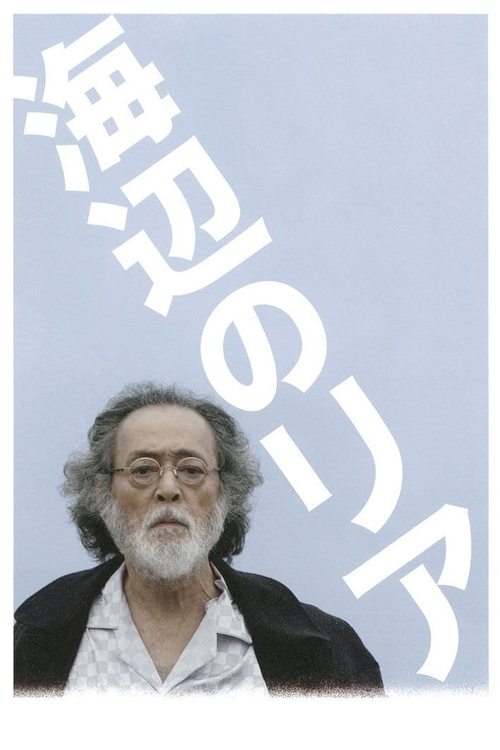
Lear on the Shore
2017
No user ratings available yet
Representation score: 7.0 out of 10
Representation Score
Excellent
1986
Director
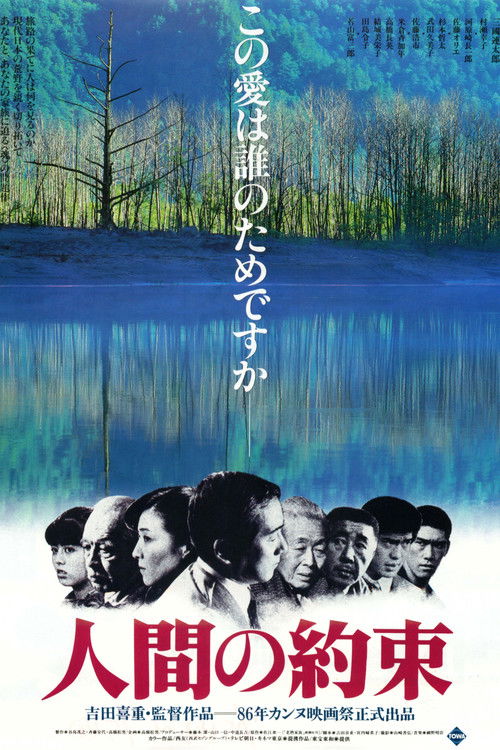
Yoshishige Yoshida
Runtime
124 minutes
Average Rating
No ratings yetNew Showbiz Analysis
Yoshishige Yoshida’s drama emphasizes psychological complexity over direct demographic diversity. Using a non-linear structure, the film explores the breakdown of the domestic unit and the fragility of the human mind. Though the film does not explicitly represent diverse identities, it successfully challenges traditional social hierarchies. By replacing stable archetypes with characters defined by memory loss and moral ambiguity, it offers a nuanced critique of social contracts. The work uses a localized Japanese perspective to question conventional narrative and domestic clichés.
Category Breakdown
The film primarily focuses on a heterosexual relationship and does not explicitly include non-straight or non-cisgender identities. However, it explores subjective truths and fluid memories, which offer a departure from the assumption that everyone is straight or cisgender.
The story disrupts the idea of a perfect home life by focusing on violence within a marriage. It challenges the typical strong male figure by presenting a husband who is morally ambiguous and experiencing cognitive decline.
The narrative centers on a specific Japanese cultural context, providing a non-Western perspective. While there is limited international cast diversity, it offers a unique viewpoint outside of mainstream Western storytelling.
The film questions traditional institutional stability by breaking down the concept of the nuclear family. It embraces moral relativism instead of offering a clear-cut, justice-focused resolution to its central conflict.
Dementia is a central part of the story, serving as a narrative driver rather than just a plot device. The non-linear storyline incorporates cognitive decline into the plot, giving the condition a significant role in shaping reality.
Present on Screen
Limited or Absent
Official Synopsis
An old woman has died and her widower with dementia confesses to killing her. After this, the story goes back in time to show the events leading up to her death.
2017
1961

2022
1997

1995

2015
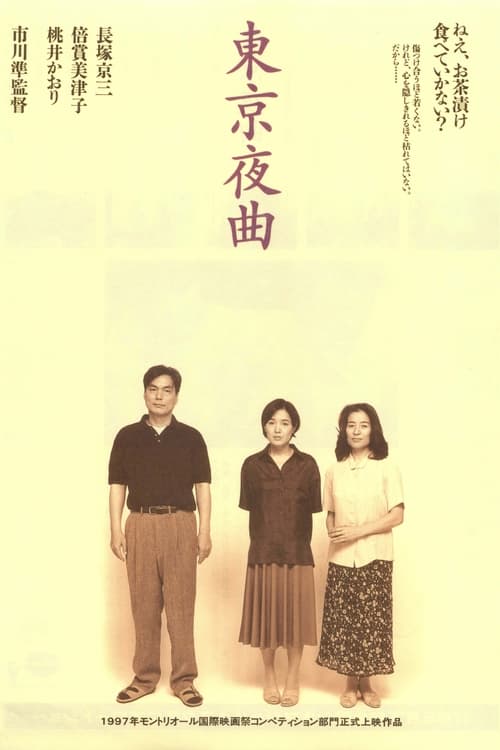
1997

2025
No reviews yet. Be the first to share your thoughts on this movie!
Use the rating form above to leave a star rating and optional review.