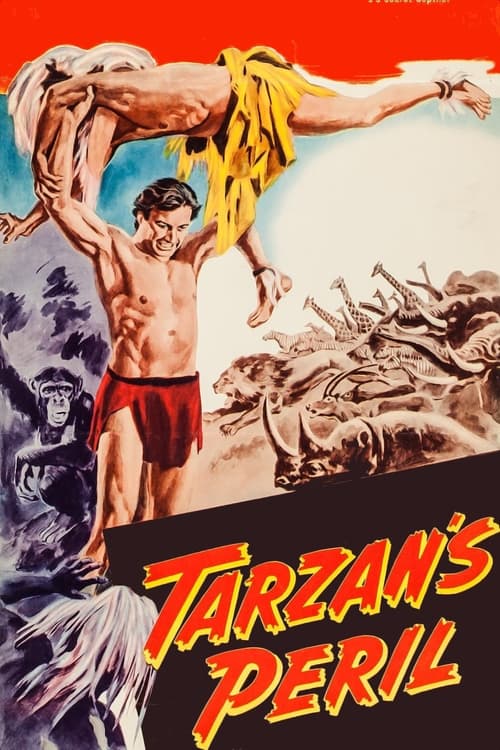
Tarzan's Peril
1951
No user ratings available yet
Diversity score: 1.9 out of 10
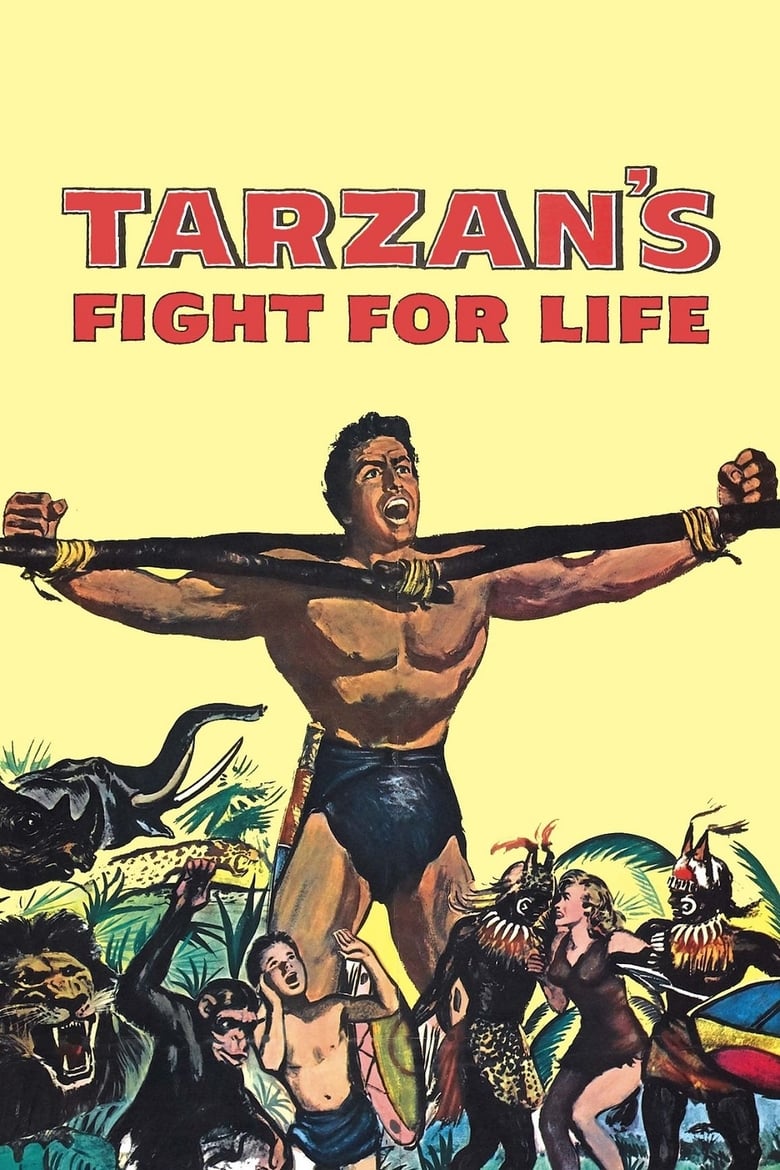
1958
GDirector
H. Bruce Humberstone
Runtime
86 minutes
Average Rating
No ratings yetSynopsis
Dr. Sturdy is trying to establish a modern hospital in the jungle. His efforts are strongly opposed by Futa, the witch doctor, and Ramo, a native warrior.
Overall Score
Limited
Category Breakdown
LGBTQ+ Representation
The film lacks any presence of non-heteronormative identities or queer subtext. It adheres strictly to the conventional romantic and social structures of the 1950s.
Gender Representation
Gender roles reinforce traditional hierarchies. The female lead often functions within a framework of vulnerability, while masculinity is defined through physical dominance and leadership.
Racial & Ethnic Diversity
The cast is predominantly white, utilizing indigenous characters through the 'noble savage' trope. This frames non-Western characters through exoticism rather than complex, autonomous agency.
Religious & Cultural Diversity
The narrative promotes a Western perspective, framing modern medical science as the primary driver of civilization. It presents a standard struggle between modernization and local resistance.
Disability Representation
There is no visible or meaningful representation of physical, sensory, or neurodivergent disabilities within the narrative.
Strengths
Areas for Improvement
AI Analysis
Tarzan's Fight for Life is a quintessential product of its mid-century era, leaning heavily into established colonial-era storytelling archetypes. The film prioritizes Western agency, positioning modern medical progress as a civilizing force against indigenous traditions. Character dynamics are limited by the tropes of the time. Indigenous characters like Futa and Ramo serve the plot through an exoticized lens, while gender roles remain strictly conventional and hierarchical. Ultimately, the film functions as a standard genre piece that reinforces the status quo. It offers no significant subversion of social norms regarding race, gender, or institutional authority.
1951
1939
1963
1943
1960
1927

1936
1942
1966
1953

1952
1950
No reviews yet. Be the first to share your thoughts on this movie!
Use the rating form above to leave a star rating and optional review.