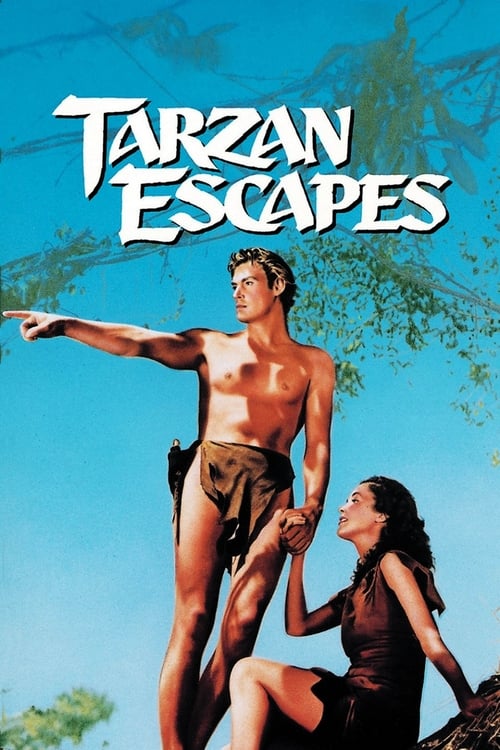
Tarzan Escapes
1936
No user ratings available yet
Representation score: 0.4 out of 10
Representation Score
Minimal
1942
ApprovedDirector
Richard Thorpe
Runtime
71 minutes
Average Rating
No ratings yetNew Showbiz Analysis
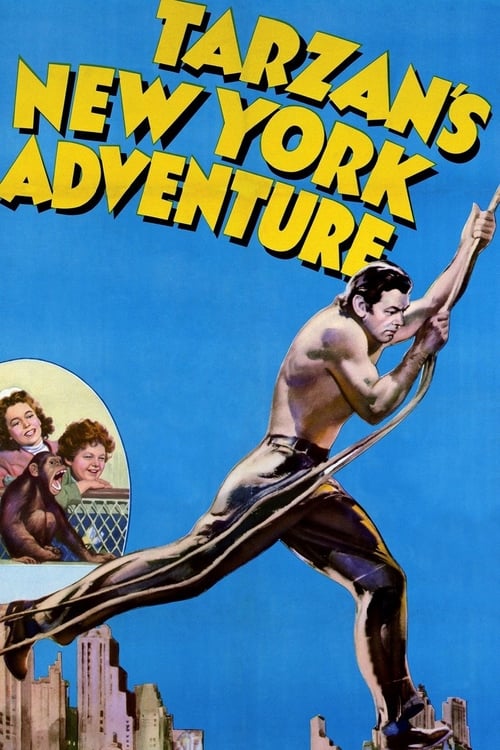
Tarzan's New York Adventure is a quintessential product of 1940s studio cinema, prioritizing escapist action over social complexity. The film adheres to established genre conventions that reinforce existing social hierarchies rather than challenge them. The narrative centers on traditional character archetypes, specifically a straight-centered romance and a white-dominated cast. This approach upholds the status quo of the era's cinematic standards. Ultimately, the film lacks intentionality regarding progressive representation. It functions as a traditional hero-driven adventure that validates established social and gendered structures through its storytelling.
Category Breakdown
The film does not depict any LGBTQ+ identities or same-sex relationships. The focus remains on the heterosexual relationship between Tarzan and Jane.
Jane plays a supporting role, while Tarzan holds the majority of the plot's ability to act, reinforcing traditional gender roles and masculine leadership.
The film features a predominantly white cast, reflecting typical Hollywood practices of the time. The New York setting lacks significant characters of color with substantial roles.
The narrative operates within a framework of traditional Western values and binary morality. It portrays the hero as a stabilizing force without critiquing Western institutions.
The film does not include any characters with visible or invisible disabilities. Characters are defined by idealized physical strength, typical of the action-adventure genre.
Present on Screen
Limited or Absent
Official Synopsis
Circus owner Buck Rand kidnaps Boy to perform in his show. He forces a pilot to fly him, Boy and his animal trainer out of the jungle. Tarzan and Jane follow them to New York.
1936
1939

1941
1932
1920
1934
1960
1979
No reviews yet. Be the first to share your thoughts on this movie!
Use the rating form above to leave a star rating and optional review.