
West to Glory
1947
No user ratings available yet
Diversity score: 2.9 out of 10
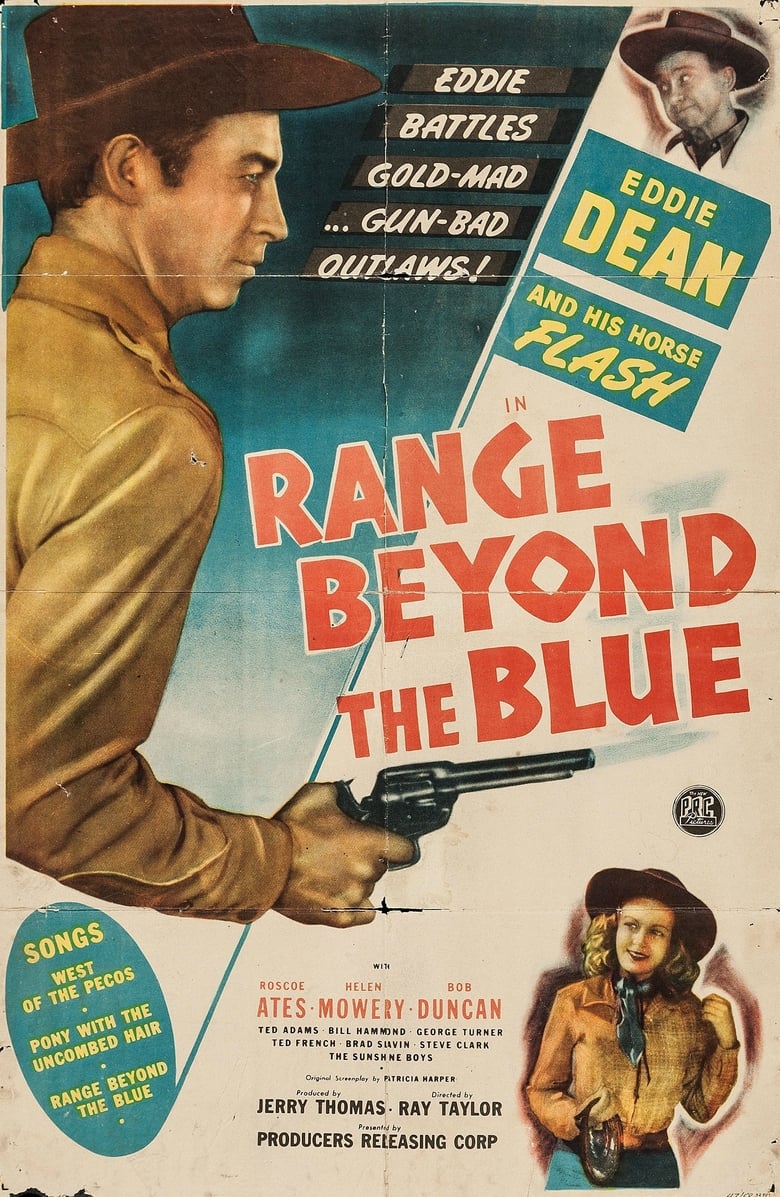
1947
ApprovedDirector
Ray Taylor
Runtime
53 minutes
Average Rating
No ratings yetSynopsis
Singing cowboy Eddie Dean and his sidekick Soapy (Roscoe Ates) enter into the thick of things when they thwart a stagecoach holdup. Our heroes take it upon themselves to champion the cause of stage-line owner Margie Rodgers (Helen Mowery), who's being victimized by an unknown villain. Dean suspects that there's more to the case than mere robbery, and he's right: someone wants to gain control of Margie's business, and that someone is?
Overall Score
Limited
Category Breakdown
LGBTQ+ Representation
The film lacks LGBTQ+ characters or non-heteronormative identities. It adheres to the traditional romantic and social structures common in 1940s Westerns.
Gender Representation
Margie Rodgers is a business owner, but she functions primarily as a victim requiring male intervention. The narrative hierarchy prioritizes the male protagonists' agency.
Racial & Ethnic Diversity
The casting of Roscoe Ates as Soapy provides notable racial diversity for the era. While the role follows supporting archetypes, it offers a higher baseline than many monochromatic Westerns.
Religious & Cultural Diversity
The story reinforces traditional Western values and the sanctity of private property. It focuses on law and order rather than deconstructing established institutions.
Disability Representation
There is no evidence of characters with visible or invisible disabilities. No neurodivergent representation is present in the narrative.
Strengths
Areas for Improvement
AI Analysis
Range Beyond the Blue is a standard genre piece that reinforces the social hierarchies and archetypes of the 1940s. The plot centers on masculine heroism and the protection of economic interests, following a predictable linear morality. While the film lacks significant diversity, the inclusion of a Black sidekick provides a degree of racial representation that was uncommon in many contemporary Westerns. However, the narrative remains largely conventional in its character roles. Ultimately, the film serves to uphold traditional Western values and gender roles, with female characters acting more as catalysts for male action than independent agents.
1947
1941
1948
1949
1948
1938
1949
1949
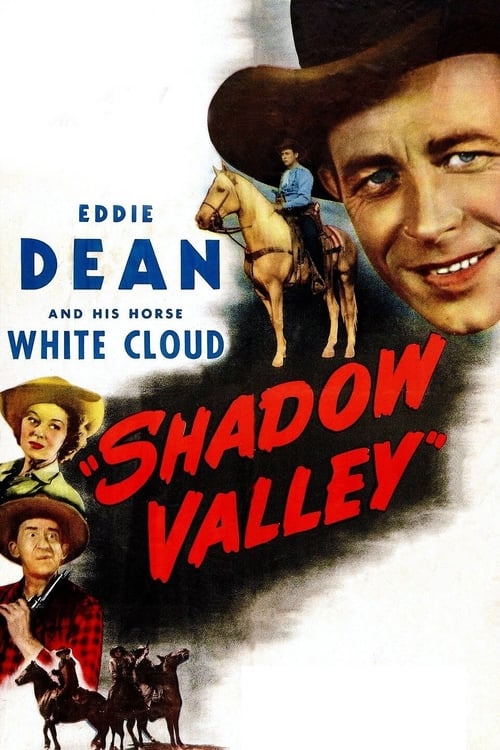
1947
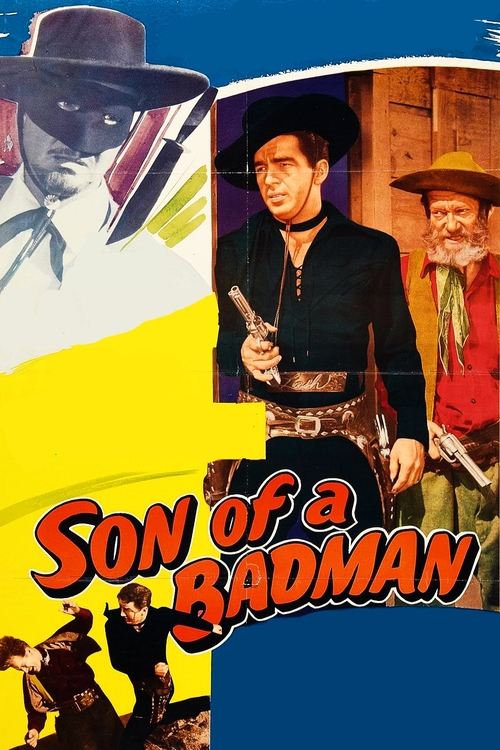
1949
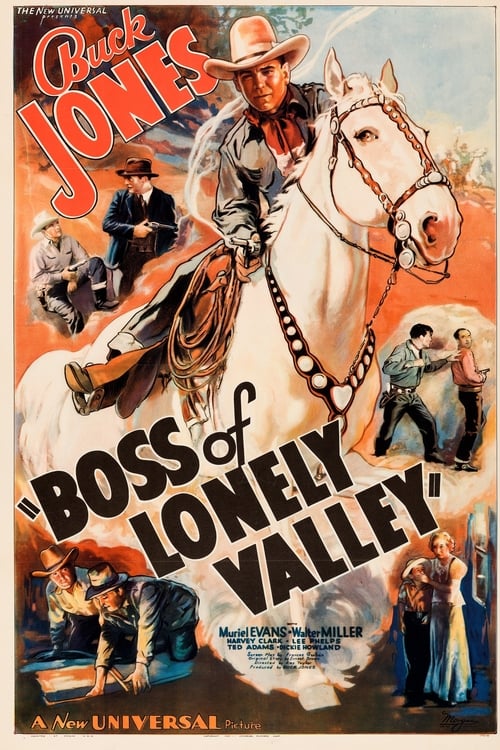
1937
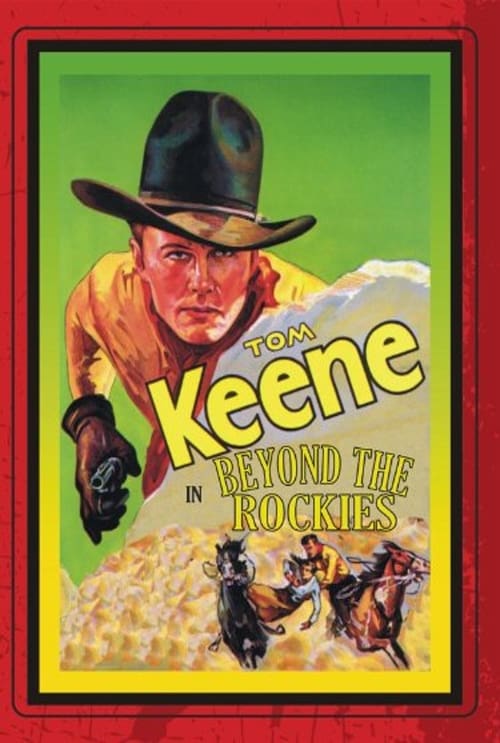
1932
No reviews yet. Be the first to share your thoughts on this movie!
Use the rating form above to leave a star rating and optional review.