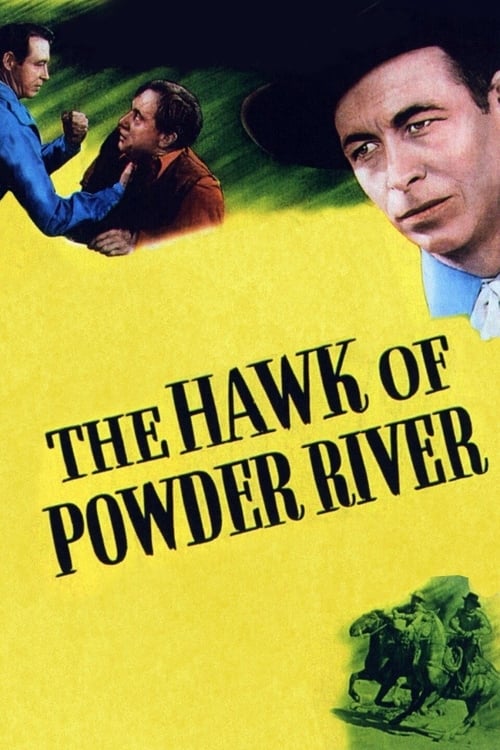
The Hawk of Powder River
1948
No user ratings available yet
Representation score: 0.5 out of 10
Representation Score
Minimal
1947
PassedDirector
Ray Taylor
Runtime
57 minutes
Average Rating
No ratings yetNew Showbiz Analysis
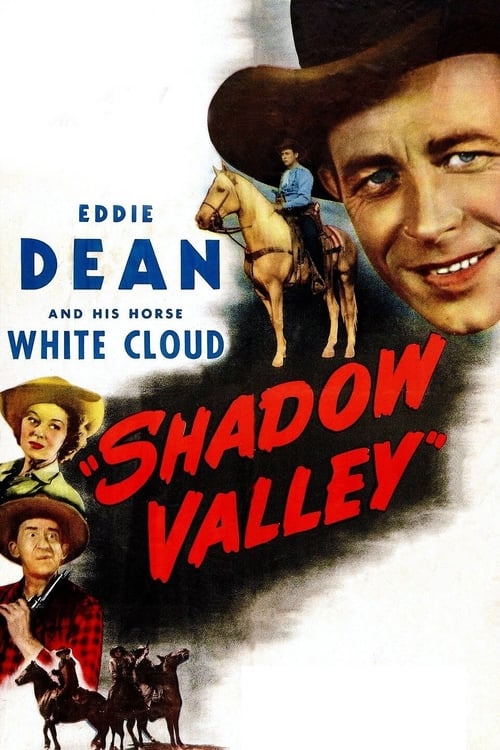
Shadow Valley is a quintessential B-movie Western that prioritizes genre formulas over social complexity. The narrative relies heavily on established archetypes, such as the heroic lawman and the vulnerable heroine, to drive the plot forward. Representation is limited by the era's cinematic conventions. The film reinforces traditional hierarchies regarding gender and race, offering a homogeneous view of the American West that lacks depth in reflecting multiple aspects of identity. Ultimately, the film functions as a standard genre piece. It upholds the status quo of its time rather than challenging or expanding upon the social norms of the 1940s.
Category Breakdown
The film follows a strictly straight-centered structure, focusing on a traditional romantic rescue dynamic without any presence of LGBTQ+ identities.
Gender roles are highly traditional and hierarchical. The female lead acts as a passive damsel in distress, serving as a catalyst for the male hero's actions.
The casting appears homogeneous, adhering to the standard white archetypes of 1940s Westerns. There is no evidence of racial blending or diverse casting.
The story reinforces Western values of law and order. The conflict centers on the enforcement of state authority through the protagonist's role as a U.S. Marshal.
The film contains no visible or invisible representations of disability.
Present on Screen
Limited or Absent
Official Synopsis
At least 10 percent of the 58-minute Eddie Dean western Shadow Valley is comprised of stock shots from earlier Dean oaters. This time, the star plays as U.S. marshal who comes to the rescue of the standard damsel in distress (Jennifer Holt, sister of Tim and daughter of Jack). The double-dyed villain (George Cheseboro) is a crooked lawyer (and former train robber) who wants to lay claim to the heroine's ranch.
1948
1948
1937
1952

1947
1947
1941
1939
No reviews yet. Be the first to share your thoughts on this movie!
Use the rating form above to leave a star rating and optional review.