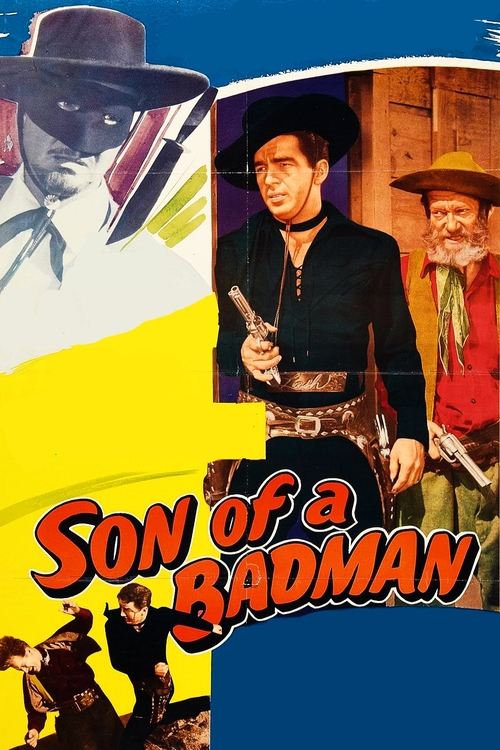
Son of a Badman
1949
No user ratings available yet
Diversity score: 1.6 out of 10

1938
ApprovedDirector
Ray Taylor
Runtime
60 minutes
Average Rating
No ratings yetSynopsis
A hero goes undercover to uncover outlaws while singing to a heroine and being sneered at by a bad guy.
Overall Score
Limited
Category Breakdown
LGBTQ+ Representation
The film lacks any evidence of LGBTQ+ characters or non-heteronormative identities. It follows a conventional romantic structure between a male hero and a female heroine.
Gender Representation
Gender roles follow traditional 1930s hierarchies. The male hero drives the action through undercover work, while the heroine remains a passive recipient of affection.
Racial & Ethnic Diversity
The production reflects the era's tendency toward homogeneous casting. It centers on white protagonists without evidence of diverse characters possessing significant narrative agency.
Religious & Cultural Diversity
The story operates within a standard Western morality framework. It focuses on restoring order through individual heroism rather than exploring complex systemic or cultural perspectives.
Disability Representation
There is no indication of characters with visible or invisible disabilities. No such characters are portrayed as having agency within the narrative.
Strengths
Areas for Improvement
AI Analysis
Panamint's Bad Man is a quintessential product of the 1938 B-movie Western circuit. It relies heavily on established genre tropes, emphasizing clear-cut moral binaries and traditional frontier narratives rather than social subversion. The film reinforces period-specific social hierarchies. Masculine leadership is centered in the hero's undercover mission, while feminine roles are relegated to sentimentality and domesticity. This creates a narrow view of gender and social agency. Ultimately, the film lacks intersectional complexity. It functions as a straightforward morality tale that adheres to the racial and cultural norms of its time, offering little narrative disruption or diverse representation.
1949
1948
1940
1948
1938

1947
1937

1935
1944

1936
1933
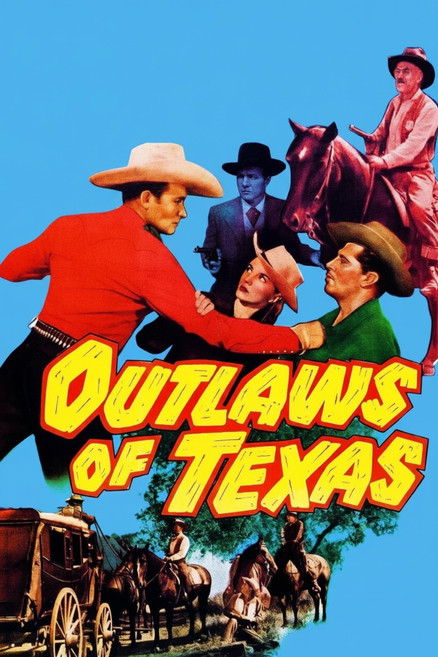
1950
No reviews yet. Be the first to share your thoughts on this movie!
Use the rating form above to leave a star rating and optional review.