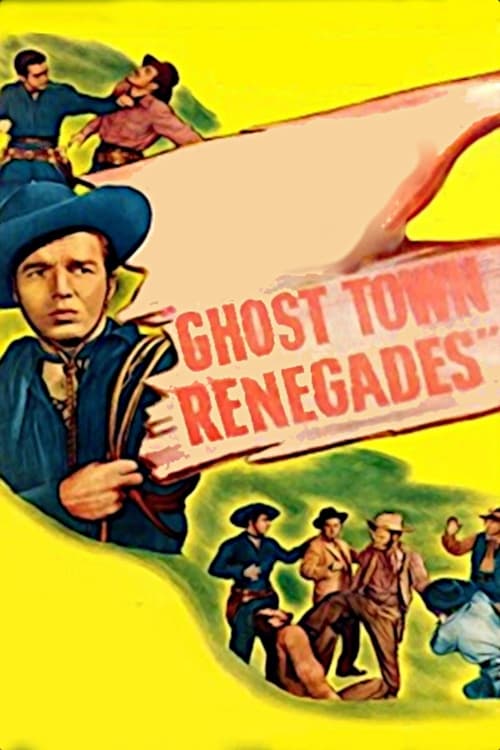
Ghost Town Renegades
1947
No user ratings available yet
Representation score: 1.7 out of 10

Representation Score
Limited
1947
PassedDirector
Ray Taylor
Runtime
56 minutes
Average Rating
No ratings yetNew Showbiz Analysis
West to Glory is a typical 1940s B-movie Western that follows the era's standard narrative structures. While it includes a non-Anglo-Saxon presence through Don Lopez, it does so through traditional genre clichés. The film's strength lies in providing a degree of ability to act to a underrepresented community as they face drought and displacement. However, this is offset by a lack of complexity in character dynamics and a reliance on conventional moral dichotomies. Ultimately, the film reflects the social hierarchies of its time rather than challenging them. It prioritizes traditional Western conflict archetypes over diverse representation.
Category Breakdown
The film does not include any LGBTQ+ characters or stories about non-cisgender identities. It stays within the strict social and cinematic rules of 1947.
Maria offers a partnership to Barrit, but her role seems tied to the stability of the male lead, Lopez. The film upholds a traditional gender hierarchy.
Don Lopez and his people bring a non-Anglo-Saxon presence. While Lopez takes control by moving his community, the depiction follows established clichés of the era.
The story centers on Western themes of theft and property protection. It follows a standard good vs. evil binary without challenging cultural norms.
There are no visible or invisible disabilities shown as part of the plot in this narrative.
Present on Screen
Limited or Absent
Official Synopsis
Two con-men from the East come out West to join up with Avery. They plan to steal the Lopez diamond from Don Lopez. With the drought, Lopez has sold all of his other jewels for gold so that he can take his people to a better place to live and work. Dean and Soapy try to protect Lopez, but Avery and his gang steal the gold and look forward to stealing the diamond necklace. When Maria offers to become partners with Barrit, it looks bad for Lopez.
1947
1969
1948
1967
1948
1949
1949
1940
No reviews yet. Be the first to share your thoughts on this movie!
Use the rating form above to leave a star rating and optional review.