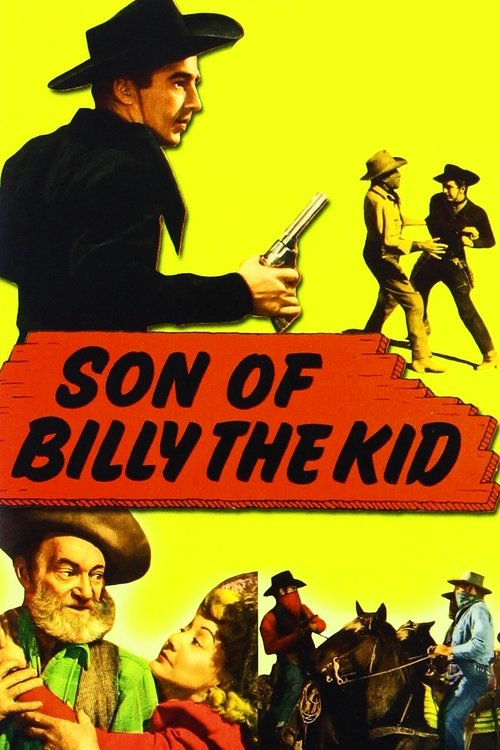
Son of Billy the Kid
1949
No user ratings available yet
Representation score: 0.3 out of 10
Representation Score
Minimal
1949
PassedDirector
Ray Taylor
Runtime
58 minutes
Average Rating
No ratings yetNew Showbiz Analysis
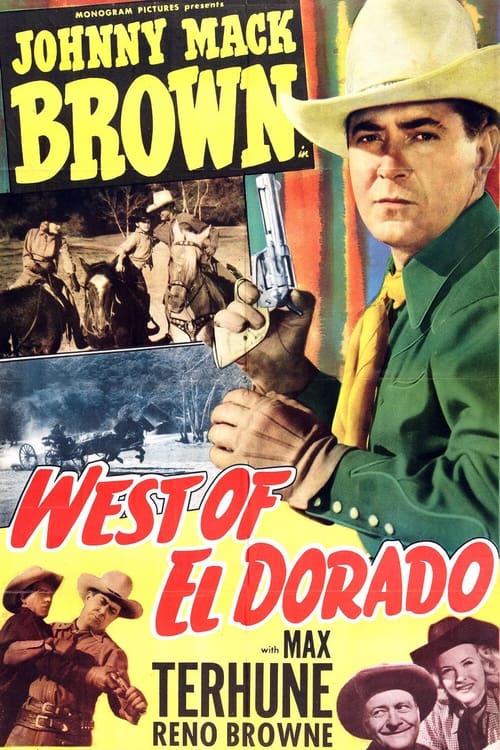
West of El Dorado is a classic B-movie Western that emphasizes genre clichés over social complexity. The narrative centers on male heroism and the protection of a young boy, leaving little room for diverse perspectives. The film adheres to the rigid social and cinematic norms of 1949. It reinforces traditional gender roles and a homogeneous view of the American West, focusing on established moral structures rather than developing characters with multiple aspects of identity. Ultimately, the film serves as a typical period piece. It lacks the depth needed to challenge or expand upon the conventional social hierarchies of its time.
Category Breakdown
The film does not include any LGBTQ+ characters or explore non-straight relationships. It features a traditional romantic subplot between Mary and Barstow, following the conventions of the 1940s.
The story is driven by male protagonists who take on protective roles. Female characters like Mary are limited to a minor romantic subplot, lacking significant influence or challenging traditional gender roles.
The narrative follows a typical Western storyline from the era. There are no non-Anglo-Saxon characters or diverse casting mentioned in the provided details.
The story upholds traditional Western moral values and social order. It emphasizes restorative justice and community values without questioning Western institutions.
There are no characters with visible or invisible disabilities mentioned in this production.
Present on Screen
Limited or Absent
Official Synopsis
Johnny and Alibi try to straighten out a hostile young boy whose older brother was a notorious stagecoach bandit. When a gang of thieves try to strong-arm the kid into revealing the whereabouts of the stolen loot, Johnny and Alibi come to the rescue. There's a cursory romantic subplot involving heroine Mary and Barstow.
1949

1957
1954

1949
1948
1943
1951
1940
No reviews yet. Be the first to share your thoughts on this movie!
Use the rating form above to leave a star rating and optional review.