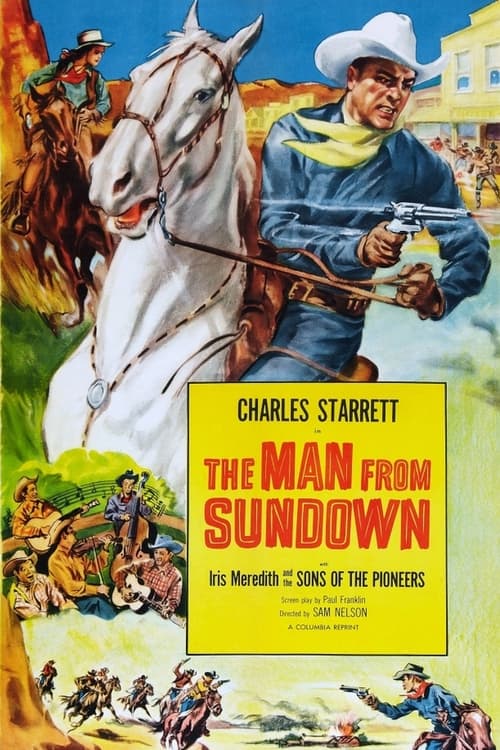
The Man from Sundown
1939
No user ratings available yet
Representation score: 0.3 out of 10
Representation Score
Minimal
1949
PassedDirector
Ray Taylor
Runtime
65 minutes
Average Rating
No ratings yetNew Showbiz Analysis
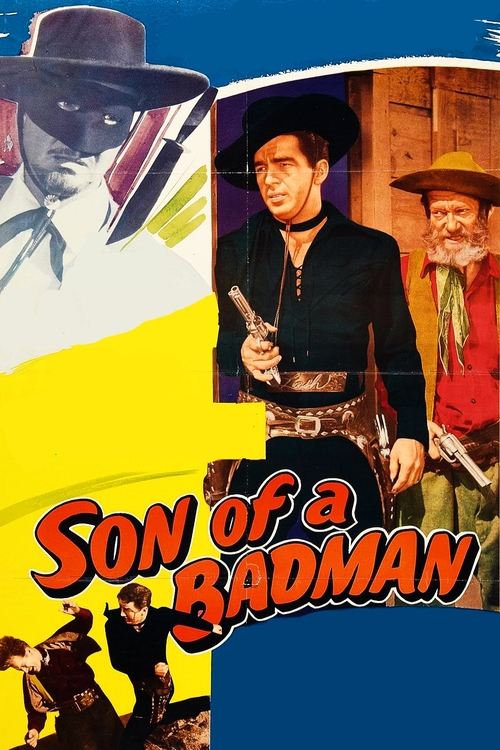
Son of a Badman is a typical 1940s B-Western that relies on genre clichés rather than social commentary. The story depends on established masculine archetypes and a straightforward moral framework to meet the commercial expectations of its time. The film reinforces mid-century social norms. It does not aim to disrupt conventional hierarchies or offer characters who reflect more than one aspect of diversity, focusing instead on traditional law enforcement narratives. Ultimately, the production reflects the industrial requirements of Monogram Pictures, emphasizing efficient storytelling within a narrow, traditional cultural lens.
Category Breakdown
The film follows the heterosexual norms of the 1940s Western genre. There are no characters with non-binary gender identities or same-sex relationships.
The story is driven by male protagonists involved in physical confrontations. Female characters play supporting roles, reinforcing male dominance and control.
The cast primarily features Anglo-Saxon actors. The antagonist hints at Mexican stereotypes, but the film lacks depth for non-white characters.
The plot centers around restoring order and traditional justice. It emphasizes the stability of the frontier community and its moral code.
There are no characters with visible or invisible disabilities. Disability is not used as a narrative device.
Present on Screen
Limited or Absent
Official Synopsis
Lash and Fuzzy come to town to unmask the mysterious outlaw kingpin, El Sombre.
1939
1944
1949
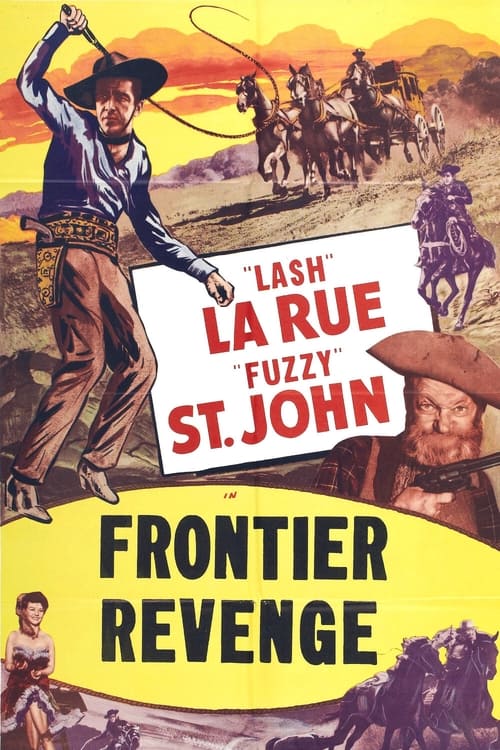
1948
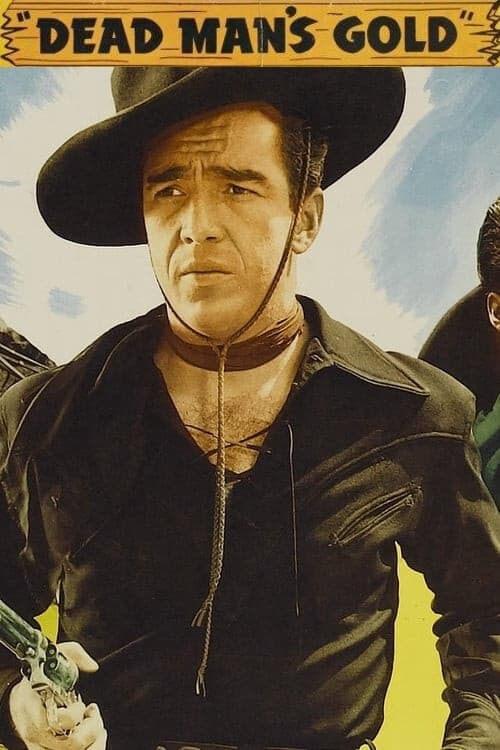
1948
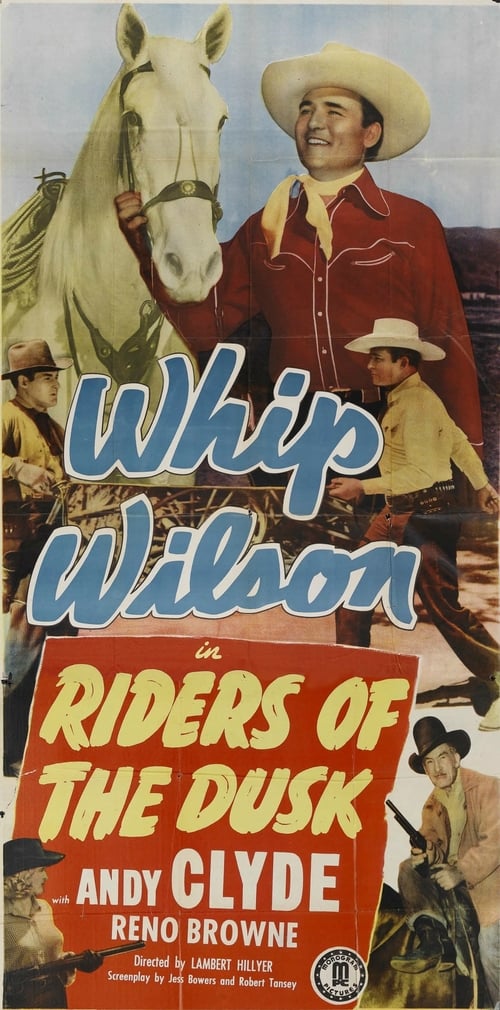
1949
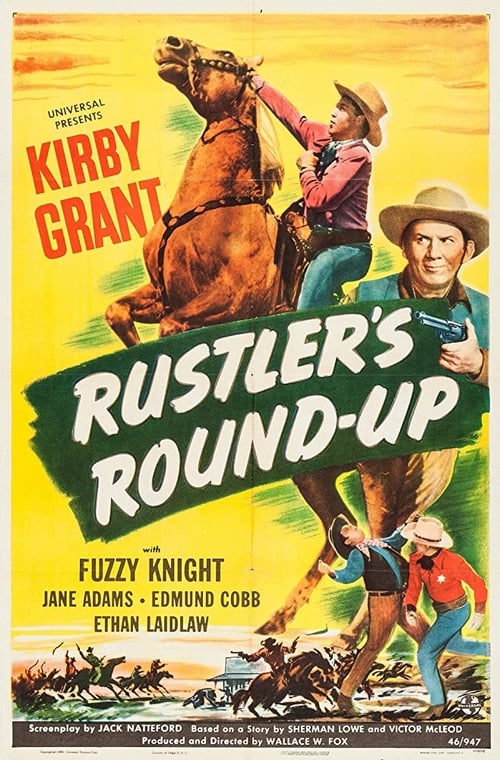
1946
1947
No reviews yet. Be the first to share your thoughts on this movie!
Use the rating form above to leave a star rating and optional review.