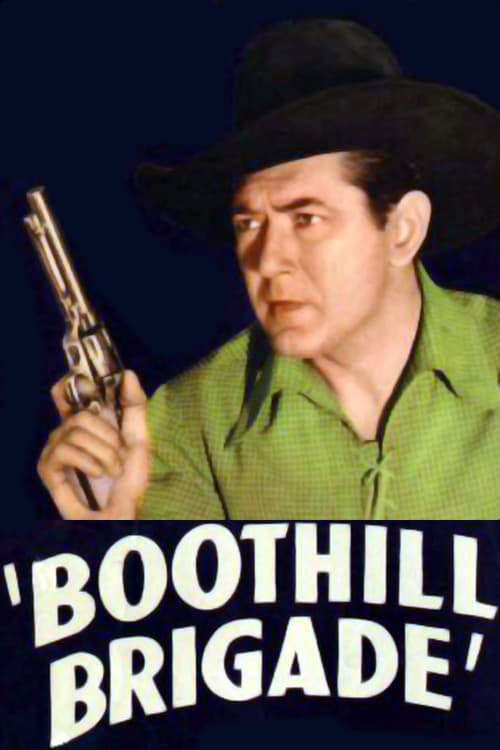
Boothill Brigade
1937
No user ratings available yet
Representation score: 0.4 out of 10
Representation Score
Limited
1937
ApprovedDirector
Ray Taylor
Runtime
60 minutes
Average Rating
No ratings yetNew Showbiz Analysis
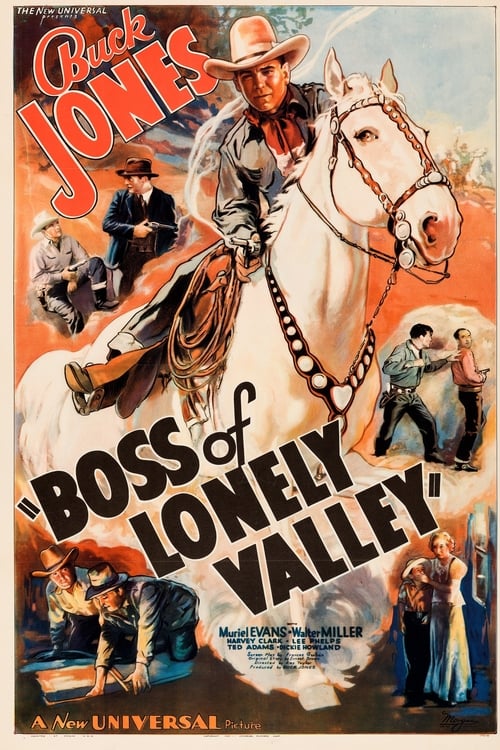
Boss of Lonely Valley is a conventional 1937 Western that prioritizes genre clichés over narrative complexity. The film follows a standard hero-versus-villain structure centered on ranching and land ownership, reinforcing traditional hierarchies of property and justice. As a product of the Golden Age studio system, the film lacks multi-layered representation. It relies on established cinematic archetypes that favor masculine leadership and homogeneous casting, reflecting the social constraints of its time. Ultimately, the film functions as a period piece that reinforces the status quo. It offers a singular moral perspective rather than exploring diverse lived experiences or systemic critiques.
Category Breakdown
The film sticks to the traditional heterosexual norms of 1930s cinema. There is no representation of LGBTQ+ identities or stories that challenge societal norms.
Gender roles follow the traditional hierarchy of the era. The focus on a rancher fighting land thieves emphasizes masculine leadership over female characters, who likely have passive roles.
The production reflects the era's preference for white actors in lead roles. Characters of color likely serve as stereotypical archetypes without significant depth or control over their actions.
The story centers on individualism and the protection of private property. It operates within a traditional moral framework that upholds Western values without questioning systemic power.
There is no evidence of characters with disabilities portrayed with real power. In this period, disability was often used as a plot device or a symbol of weakness.
Present on Screen
Limited or Absent
Official Synopsis
A rancher attempts to find the villain behind a land-stealing operation.
1937
1937
1933
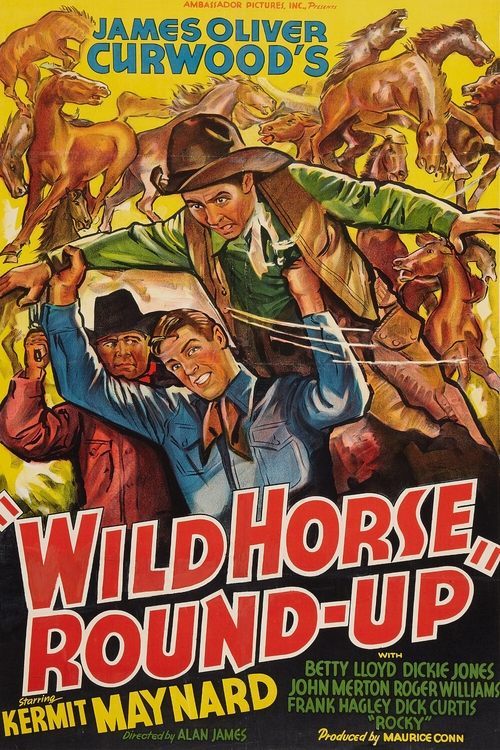
1936
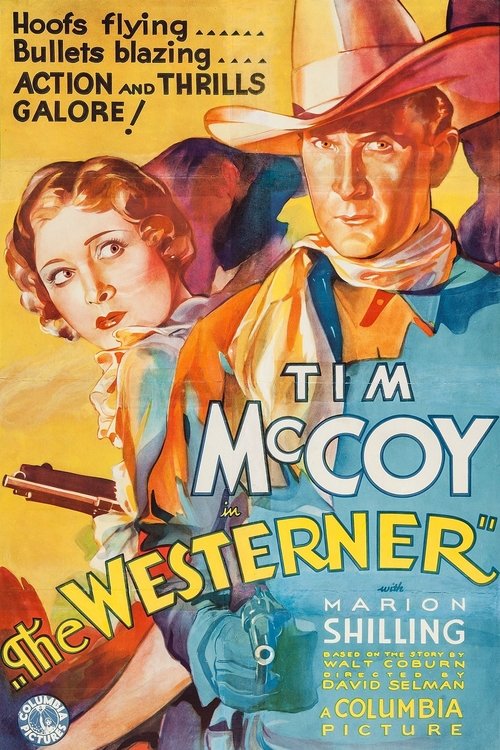
1934
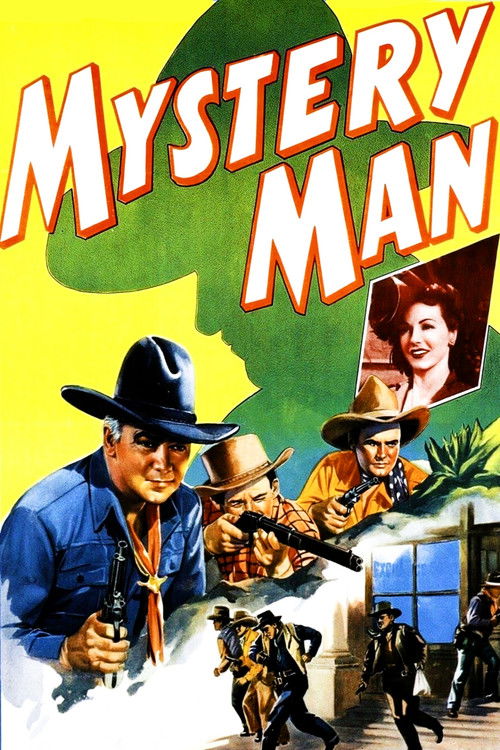
1944
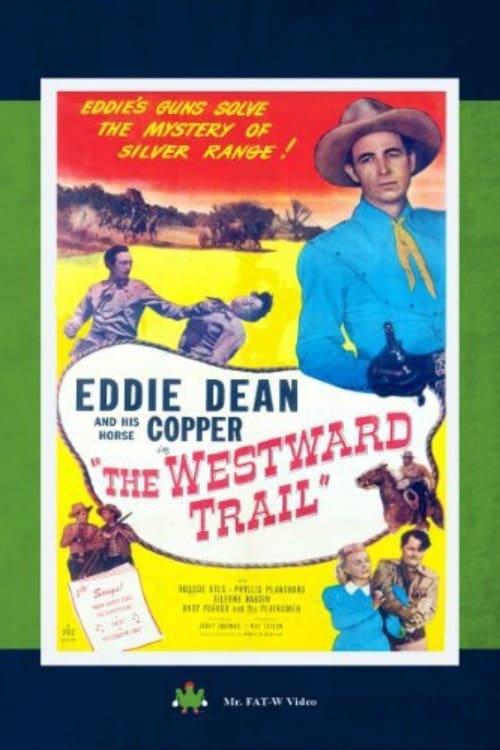
1948
1932
No reviews yet. Be the first to share your thoughts on this movie!
Use the rating form above to leave a star rating and optional review.