Peasant Poets
1979
No user ratings available yet
Representation score: 6.1 out of 10
Representation Score
Fair
1969
Director
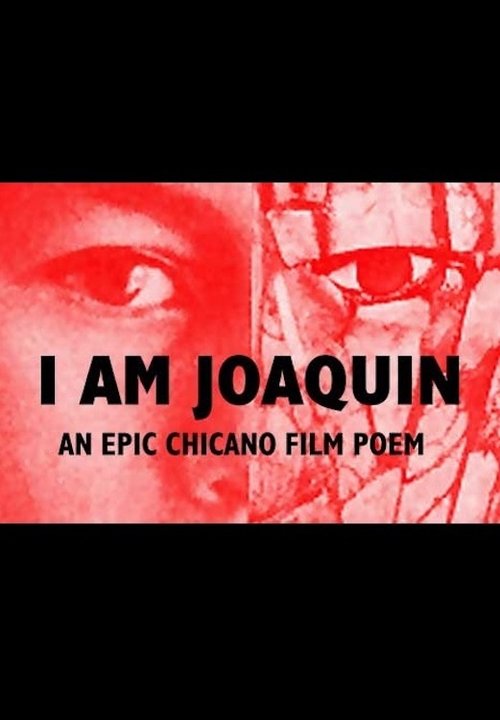
Luis Valdez
Runtime
20 minutes
Average Rating
No ratings yetNew Showbiz Analysis
Luis Valdez delivers a seminal work of cultural reclamation that successfully disrupts traditional Western historical narratives. By centering the Chicano experience, the film transforms a underrepresented group into the central protagonists of the American West. The film's strength lies in its sophisticated critique of hegemony and its ability to challenge the legitimacy of dominant socio-political structures. It uses a post-colonial framework to re-center history through a non-Anglo lens. However, the film's focus on collective ethnic struggle results in a lack of visibility for LGBTQ+ identities and individual disability narratives. The emphasis on historical archetypes also leans toward traditional male clichés.
Category Breakdown
The film focuses on the collective ethnic experience and historical lineage of the Chicano movement. It does not include specific characters or narratives addressing LGBTQ+ identity or non-cisgender gender identities.
The narrative often uses historical archetypes that lean toward traditional masculine struggles. However, it disrupts hierarchies by framing community strength as a holistic necessity rather than a patriarchal pursuit.
This work exceptionally centers a underrepresented identity by using the Chicano experience as its primary lens. It deconstructs Anglo-centric narratives to re-center the Mexican-American presence in the American West.
The film prioritizes Chicano spiritual heritage over assimilationist ideals. It presents American expansionism and capitalism as systemic forces of oppression against the community's cultural identity.
The documentary footage and poetic structure provide insufficient evidence to evaluate the portrayal of disabilities. The focus remains on socioeconomic and ethnic struggles.
Present on Screen
Limited or Absent
Official Synopsis
Experimental film woven around a poem about Chicano culture in the U.S. Preserved by the Academy Film Archive in 2017.
1979
2010
1976
2017
1968
2002
2005
1965
No reviews yet. Be the first to share your thoughts on this movie!
Use the rating form above to leave a star rating and optional review.