
Hello Cubans
1963
No user ratings available yet
Diversity score: 8.1 out of 10
1982
GDirector
Danièle Huillet, Jean-Marie Straub
Runtime
104 minutes
Average Rating
No ratings yetSynopsis
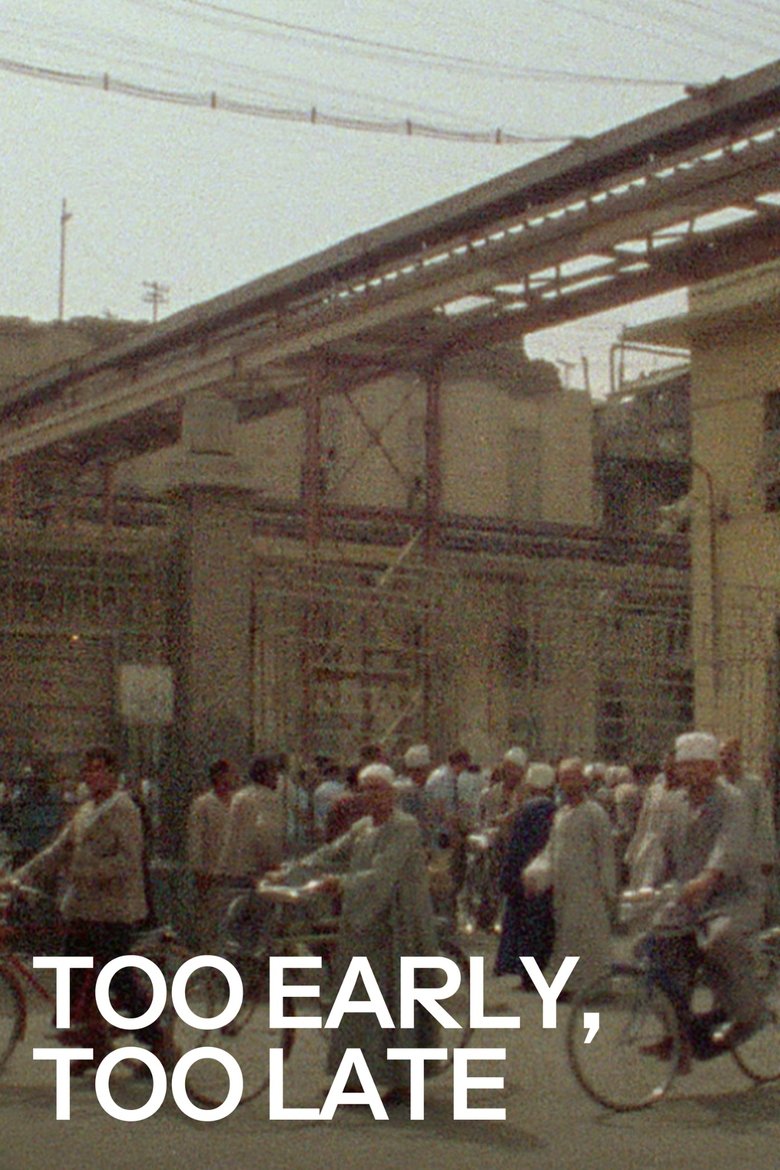
Inspired by a letter by Friedrich Engels and a 1974 account of two militant Marxist writers who had been imprisoned by the Nasser regime, Straub-Huillet filmed this film in France and Egypt during 1980. They reflect on Egypt’s history of peasant struggle and liberation from Western colonization, and link it to class tensions in France shortly before the Revolution of 1789, quoting texts by Engels as well as the pioneering nonfiction film Workers Leaving the Lumière Factory (1895).
Overall Score
Good
Category Breakdown
LGBTQ+ Representation
The film operates as a theoretical documentary rather than a character-driven narrative. It lacks explicit depictions of LGBTQ+ identities, though its class-based critique of social hierarchies provides a subtle challenge to heteronormative structures.
Gender Representation
The narrative disrupts patriarchal archetypes by focusing on collective class struggle. By centering peasant labor and mass movements, it avoids the 'Great Man' theory of history in favor of collective agency.
Racial & Ethnic Diversity
The film excels by centering Egypt’s liberation from Western colonization. It deconstructs Eurocentric perspectives by elevating non-Western agency and framing the struggle against imperialist structures as a central theme.
Religious & Cultural Diversity
Deeply rooted in anti-colonialist narratives, the film uses Marxist theory to frame power dynamics. It prioritizes peasant liberation and critiques Western hegemony to challenge the traditional Western canon.
Disability Representation
There is no discernible evidence regarding the portrayal of disability within this documentary work.
Strengths
Areas for Improvement
AI Analysis
Too Early / Too Late is a specialized work of cinematic theory that prioritizes systemic critique over individual character arcs. Its primary strength lies in its radical deconstruction of Western historical narratives and its commitment to an anti-colonial, class-conscious framework. The film succeeds by centering the agency of colonized populations and utilizing a post-colonial lens. It effectively links Egyptian peasant struggles to French class tensions, creating a globalized view of resistance. However, the film's documentary nature means it lacks the interpersonal character dynamics necessary to explore LGBTQ+ or disability representation. It functions more as an intellectual exercise in materialist dialectics than a study of individual identity.
1963

2012

2021

1964
1976
1963
1980
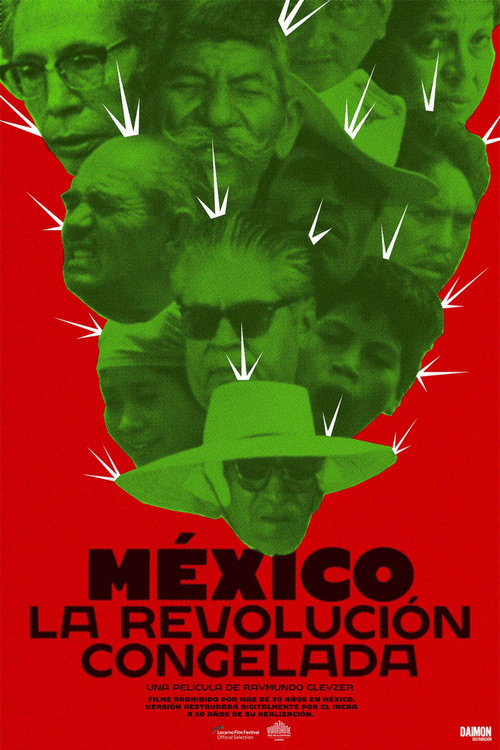
1973
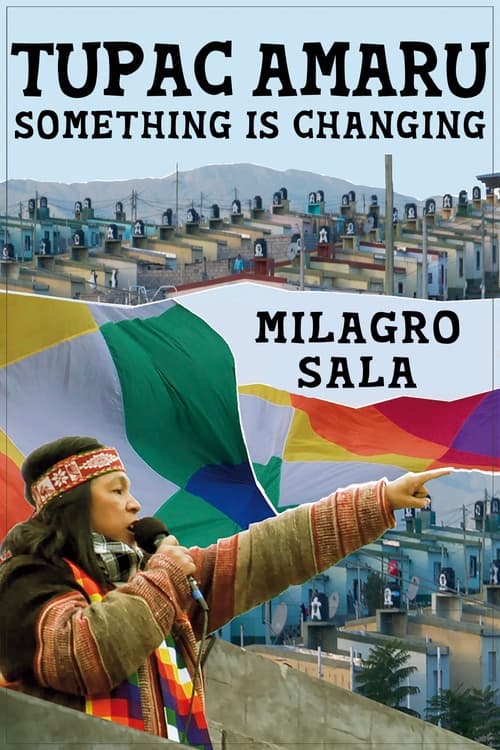
2012
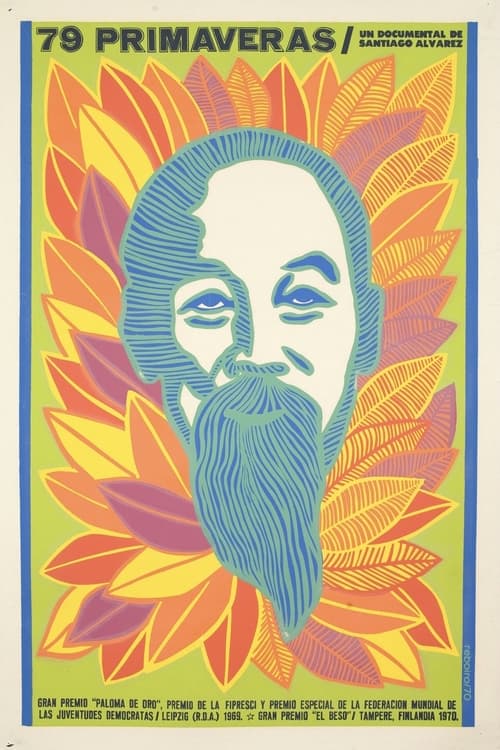
1969
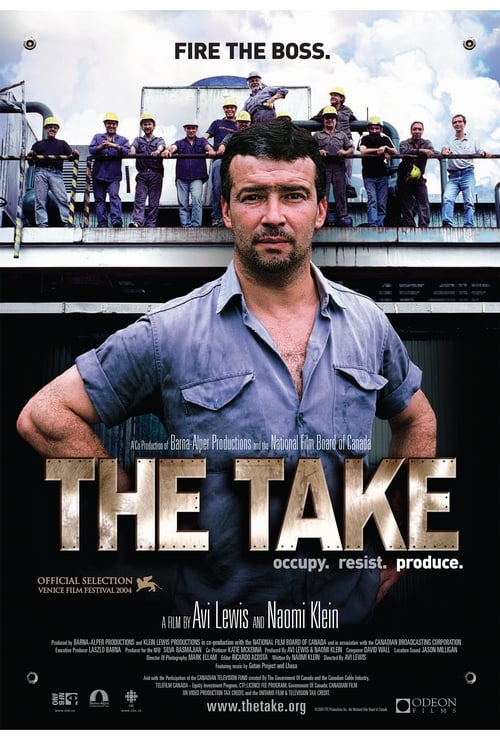
2004
2002
No reviews yet. Be the first to share your thoughts on this movie!
Use the rating form above to leave a star rating and optional review.