La Rabbia
1963
No user ratings available yet
Diversity score: 7.1 out of 10
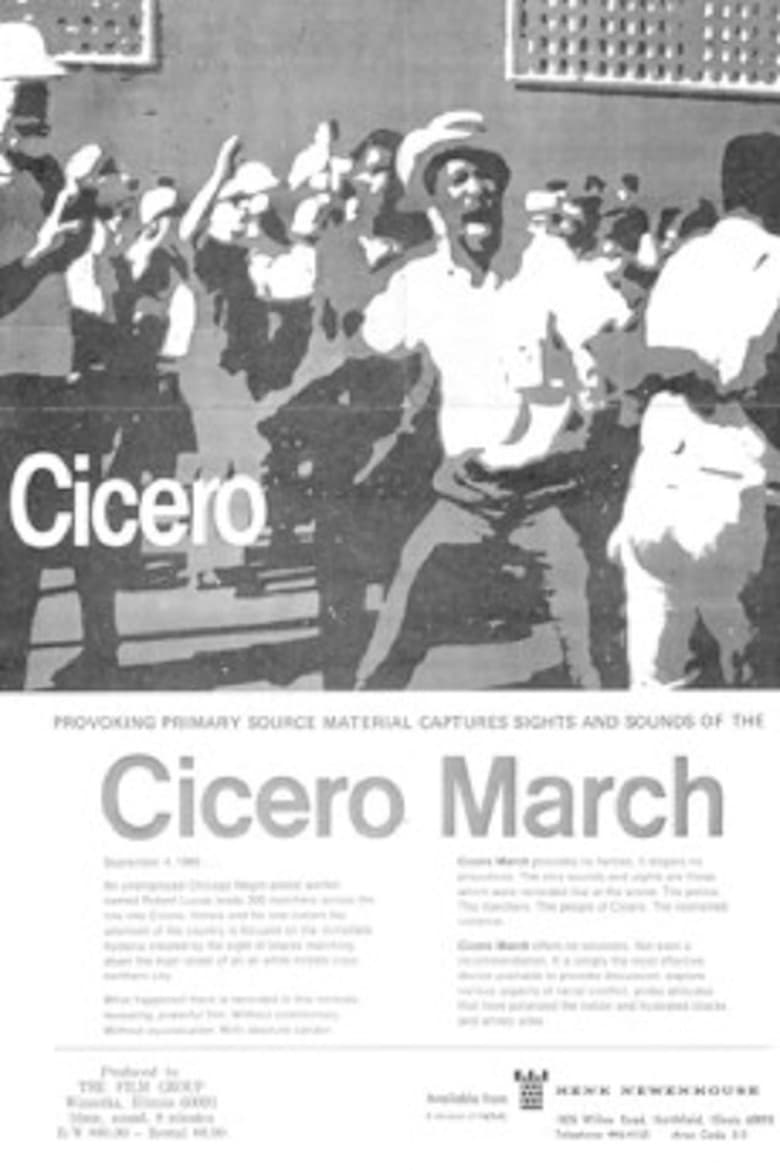
1966
Director
Mike Gray, Bill Cottle
Runtime
8 minutes
Average Rating
No ratings yetSynopsis
For a generation of young activists, the reality of war, imperialism, racism and the growing fragility of democratic liberalism was too much to handle. Force became a means to wrestle with this tension. As the discourse of a “country torn” finds its way into mainstream political analyses (for many the deep divisions in this country are not a new political reality), we should reflect on the writings of political dissidents and radicals. We should recognize the diversity of political analysis that is very much alive. The histories of armed struggle, if taken seriously, provide us with a means to think more critically about the center, and complicate its claims of moral and political right.
Overall Score
Good
Category Breakdown
LGBTQ+ Representation
The film lacks explicit evidence regarding non-cisnormative identities or same-sex intimacy. The narrative focus remains centered on political militancy and racial tensions.
Gender Representation
The focus on young activists suggests a shift from domestic roles to volatile political arenas. While specific character arcs are not detailed, the film challenges traditional patriarchal structures.
Racial & Ethnic Diversity
Characters of color and the struggles of marginalized ethnic groups are central to the discourse. The film grants significant agency to those traditionally excluded from dominant political narratives.
Religious & Cultural Diversity
The work engages deeply with anti-establishment themes, critiquing imperialism and democratic liberalism. It prioritizes the perspectives of political dissidents and radicals to disrupt traditional Western views.
Disability Representation
There is no specific information regarding the portrayal of physical or neurodivergent disabilities within the documentation.
Strengths
Areas for Improvement
AI Analysis
This documentary serves as a critical examination of systemic power dynamics and the dissolution of mid-century social cohesion. It excels by centering racial justice and the agency of marginalized groups fighting against systemic racism and imperialism. However, the film's scope is narrow regarding specific identity intersections. There is a lack of visible data concerning LGBTQ+ representation or specific gendered character arcs, leaving those dimensions of diversity largely unexamined. Ultimately, the work succeeds as a progressive inquiry by amplifying dissident voices. It effectively complicates mainstream political claims by focusing on the histories of armed struggle and urban crisis.
1963
2011

2012
1968
1973
1972
1968

2006
1968
2001
2002
2006
No reviews yet. Be the first to share your thoughts on this movie!
Use the rating form above to leave a star rating and optional review.