The Workers Cup
2017
No user ratings available yet
Diversity score: 7.3 out of 10
1968
Director
Roy Andersson, Kalle Boman, Lena Ewert, Staffan Hedqvist, Lennart Malmer, Jörgen Persson, Ingela Romare, Inge Roos, Axel Rudorf-Lohmann, Rudi Spee, Bo Widerberg
Runtime
102 minutes
Average Rating
No ratings yetSynopsis
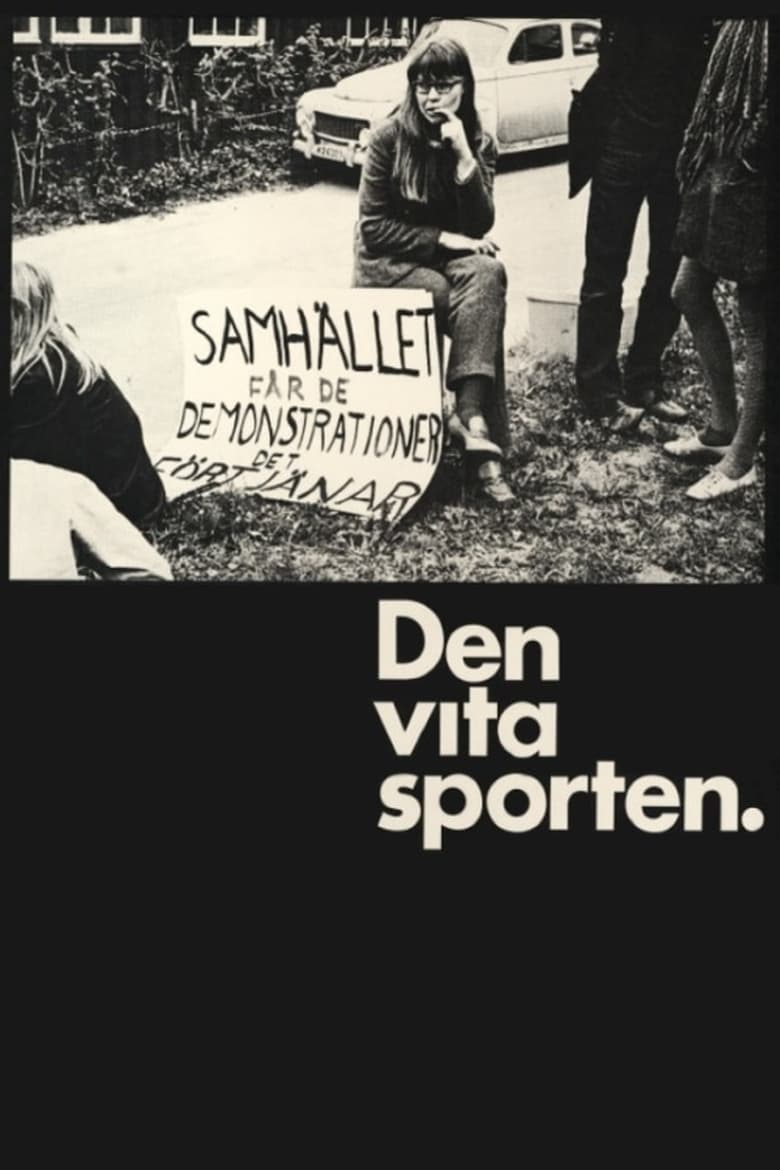
Documentary film about the protests against the 1968 Davis Cup tennis match between Sweden and Rhodesia, in Båstad, Sweden. In a series of interviews, demonstrators and members of the Swedish government give their views on sport, politics and civil disobedience.
Overall Score
Good
Category Breakdown
LGBTQ+ Representation
The film focuses on geopolitical protest and racial politics. There is no explicit evidence of LGBTQ+ narratives or critiques of heteronormativity within the documentary.
Gender Representation
The narrative documents a male-dominated sphere of international sports and government. While demonstrators offer diverse viewpoints, there is no specific evidence of female agency being centered.
Racial & Ethnic Diversity
The central theme is the critique of systemic racial oppression. By documenting protests against Rhodesia, the film inherently challenges the era's racial hierarchies and apartheid structures.
Religious & Cultural Diversity
The documentary frames Western institutions and state diplomacy as sites of systemic conflict. It prioritizes a critique of institutional power and social justice over traditional diplomatic norms.
Disability Representation
There is no evidence to suggest that disability, neurodivergence, or physical impairment are central themes or featured elements of this documentary.
Strengths
Areas for Improvement
AI Analysis
The White Game serves as a vital historical record of the friction between international athletics and the global anti-apartheid movement. Its primary strength lies in its unflinching documentation of the struggle for racial equity and the deconstruction of institutional authority. While the film excels in its critique of systemic racism and institutional power, it lacks specific focus on gender-based subversion or LGBTQ+ narratives. The documentary's scope is firmly rooted in the geopolitical and racial tensions of 1968. Ultimately, the film functions as a disruption of neutral sports broadcasting, using the Davis Cup protests to highlight the moral imperatives of civil disobedience against state-sanctioned segregation.
2017
2008

2015
1973
1966
2019
2014

2018

2023

2020

2026
1964
No reviews yet. Be the first to share your thoughts on this movie!
Use the rating form above to leave a star rating and optional review.