
The Comrade: The Life of Luiz Carlos Prestes
1997
No user ratings available yet
Representation score: 1.2 out of 10
Representation Score
Good
2012
Director
Isa Grinspum Ferraz
Runtime
100 minutes
Average Rating
No ratings yetNew Showbiz Analysis
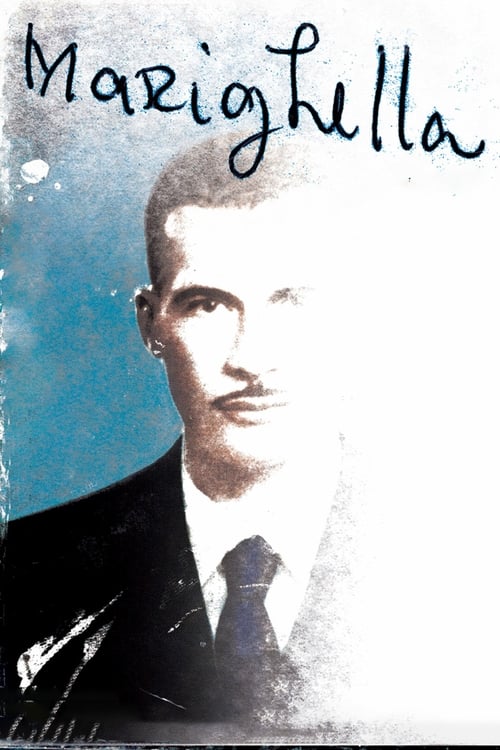
Marighella serves as a powerful deconstruction of official state history, centering a figure of systemic resistance against the Brazilian military dictatorship. The documentary succeeds by prioritizing a non-Western perspective and challenging established political hierarchies. While the film excels in cultural and racial representation by centering Global South struggles, it remains narrow in its focus on male-dominated political leadership. The narrative architecture is built around ideological struggle rather than a broad spectrum of identity-based representation. Ultimately, the work functions as a vital historical reclamation, though it lacks depth in depicting LGBTQ identities or disability-related experiences.
Category Breakdown
The film focuses on political militancy and the struggle against a dictatorship. There is no explicit evidence regarding the depiction of LGBTQ narratives or non-cisgender identities.
The narrative centers on a male political leader. While it examines state violence, there is limited specific data regarding the roles of female collaborators.
The documentary is rooted in the Brazilian socio-political landscape. It disrupts Eurocentric historical lenses by prioritizing a narrative of resistance from within the Global South.
The film adopts a framework of systemic critique against Western-aligned institutional power. It validates anti-establishment struggle by portraying the military dictatorship as an oppressive force.
There is no discernible evidence regarding the portrayal of physical or neurodivergent disabilities within the film's narrative.
Present on Screen
Limited or Absent
Official Synopsis
This communist and parliamentarian leader was arrested and tortured, and became famous for having written the "Minimanual of the Urban Guerrilla". Greatest name of the left-wing militancy in Brazil in the 1960s, Carlos Marighella acted in the main political events of Brazil between the 1930s and 1969 and was considered enemy number one of the Brazilian military dictatorship. His life was a great act of resistance and courage.
1997
2017

2019
2002
1997
2015
2003
2013
No reviews yet. Be the first to share your thoughts on this movie!
Use the rating form above to leave a star rating and optional review.